

Take home teeth whitening has become a popular choice for people wanting a brighter smile without frequent dental visits. But is it safe? The short answer is yes—when used correctly and under professional guidance. Let’s explore how it works, its safety, and what you should know before starting.
What Is Take Home Teeth Whitening?
Customised Whitening at Your Convenience
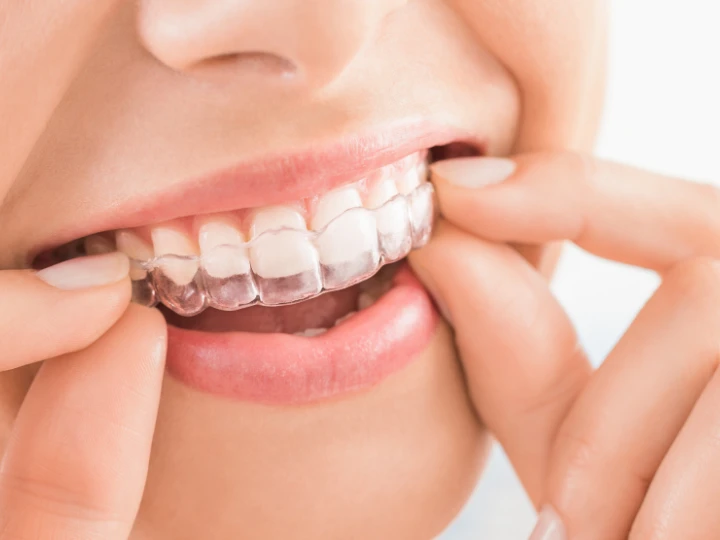
Take home teeth whitening involves using dentist-provided kits that include custom-fitted trays and professional-grade whitening gel. Unlike over-the-counter products, these kits are tailored to your teeth, ensuring better results and comfort.
How It Works
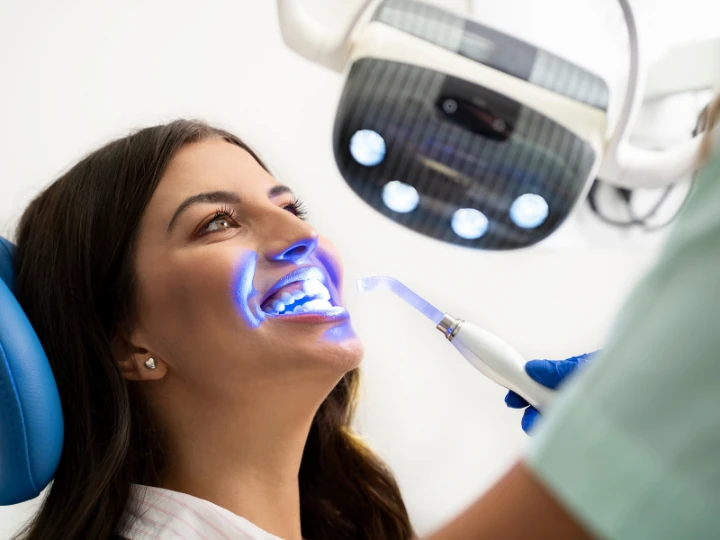
The whitening gel typically contains hydrogen peroxide or carbamide peroxide. These ingredients break down stains on the enamel, gradually lightening the colour of your teeth over a few weeks.
Is Take Home Teeth Whitening Safe?
Dentist-Supervised Treatment
One of the main reasons take home teeth whitening is considered safe is that it’s prescribed by a dental professional. Your dentist assesses your oral health before recommending treatment, ensuring your teeth and gums are suitable.
Lower Risk of Sensitivity
Compared to in-chair treatments, take home kits use lower concentrations of whitening agents. This reduces the risk of tooth sensitivity and gum irritation when used as directed.
Proper Usage Matters
Safety largely depends on following your dentist’s instructions. Overuse or incorrect application can lead to temporary sensitivity or uneven whitening.
Benefits of Take Home Teeth Whitening
Gradual and Natural Results
Because the whitening process happens over time, results tend to look more natural and even.
Convenience and Flexibility
You can whiten your teeth at home, on your own schedule, making it ideal for busy lifestyles.
Cost-Effective Solution
Take home kits are generally more affordable than in-clinic treatments while still delivering professional-level results.
Potential Risks and How to Avoid Them
Tooth Sensitivity
Some people may experience mild sensitivity during treatment. Using desensitising toothpaste and spacing out applications can help.
Gum Irritation
Improperly fitted trays or excess gel can irritate the gums. Always use the recommended amount and ensure trays fit properly.
Uneven Whitening
Existing dental work like crowns or fillings won’t whiten. Your dentist can advise on achieving a consistent look.
Who Should Avoid Take Home Teeth Whitening?
Individuals with Dental Issues
If you have untreated cavities, gum disease, or worn enamel, whitening may not be suitable until these issues are addressed.
Pregnant or Breastfeeding Women
Although there’s limited evidence of harm, many dentists recommend postponing whitening during pregnancy as a precaution.
Tips for Safe and Effective Whitening
Follow Professional Advice
Always use dentist-approved products rather than generic kits.
Stick to Instructions
Avoid extending treatment time or increasing gel quantity.
Maintain Oral Hygiene
Brushing, flossing, and regular dental check-ups will enhance and maintain your results.
FAQs About Take Home Teeth Whitening
Is take home teeth whitening better than over-the-counter kits?
Yes, because it’s customised and supervised by a dentist, making it safer and more effective.
How long does take home teeth whitening take to show results?
Most people notice visible changes within 1–2 weeks, with full results in 2–4 weeks.
Can take home teeth whitening damage enamel?
No, when used correctly under professional guidance, it does not harm enamel.
How long do the results last?
Results can last from several months up to a few years, depending on your diet and oral care habits.
What should I avoid after whitening?
Limit staining foods and drinks like coffee, tea, and red wine for at least 48 hours after each session.

Final Thoughts
Take home teeth whitening is a safe, convenient, and effective way to brighten your smile when done under professional supervision. By following your dentist’s instructions and maintaining good oral hygiene, you can achieve long-lasting, natural-looking results without compromising your dental health.
























Sign in to leave a comment.