
In today's rapidly evolving technological landscape, Virtual Reality (VR) stands out as a revolutionary tool with immense potential, particularly in the field of education. With its ability to create immersive and interactive environments, VR has sparked discussions about its role in reshaping traditional learning methods. Let's delve into the intricacies of VR and explore whether it truly represents the future of education.
Introduction to VR in Education
Education serves as the cornerstone of society, shaping the minds of future generations. As technology continues to advance, educators seek innovative ways to enhance learning experiences and cater to diverse student needs. One such innovation is Virtual Reality (VR), which offers a unique approach to education by transporting users to simulated environments.
The Evolution of Education
Traditional classroom settings have long been the norm, characterized by lectures, textbooks, and standardized assessments. However, advancements in technology have prompted a shift towards more dynamic and interactive learning methods.
Understanding Virtual Reality
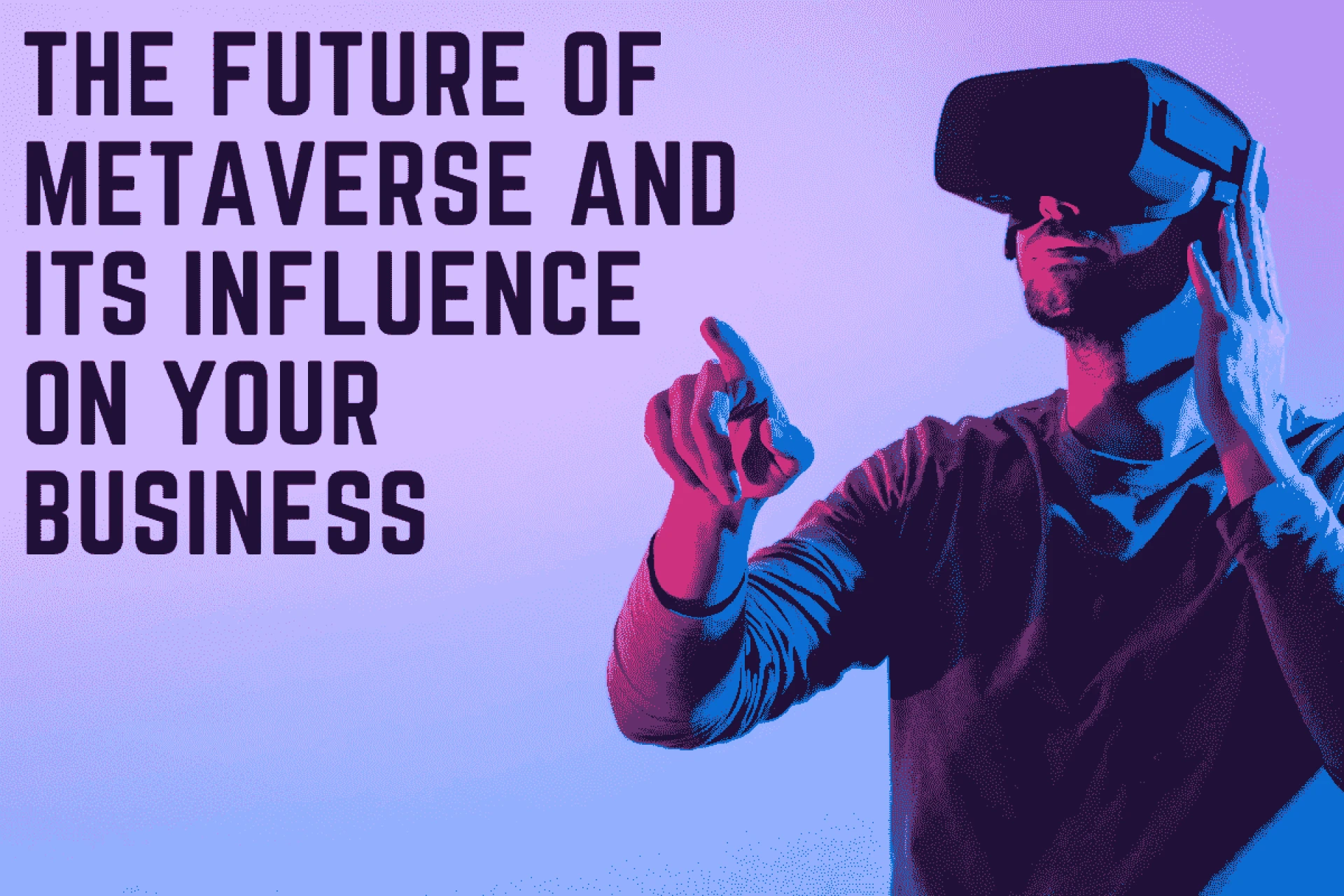
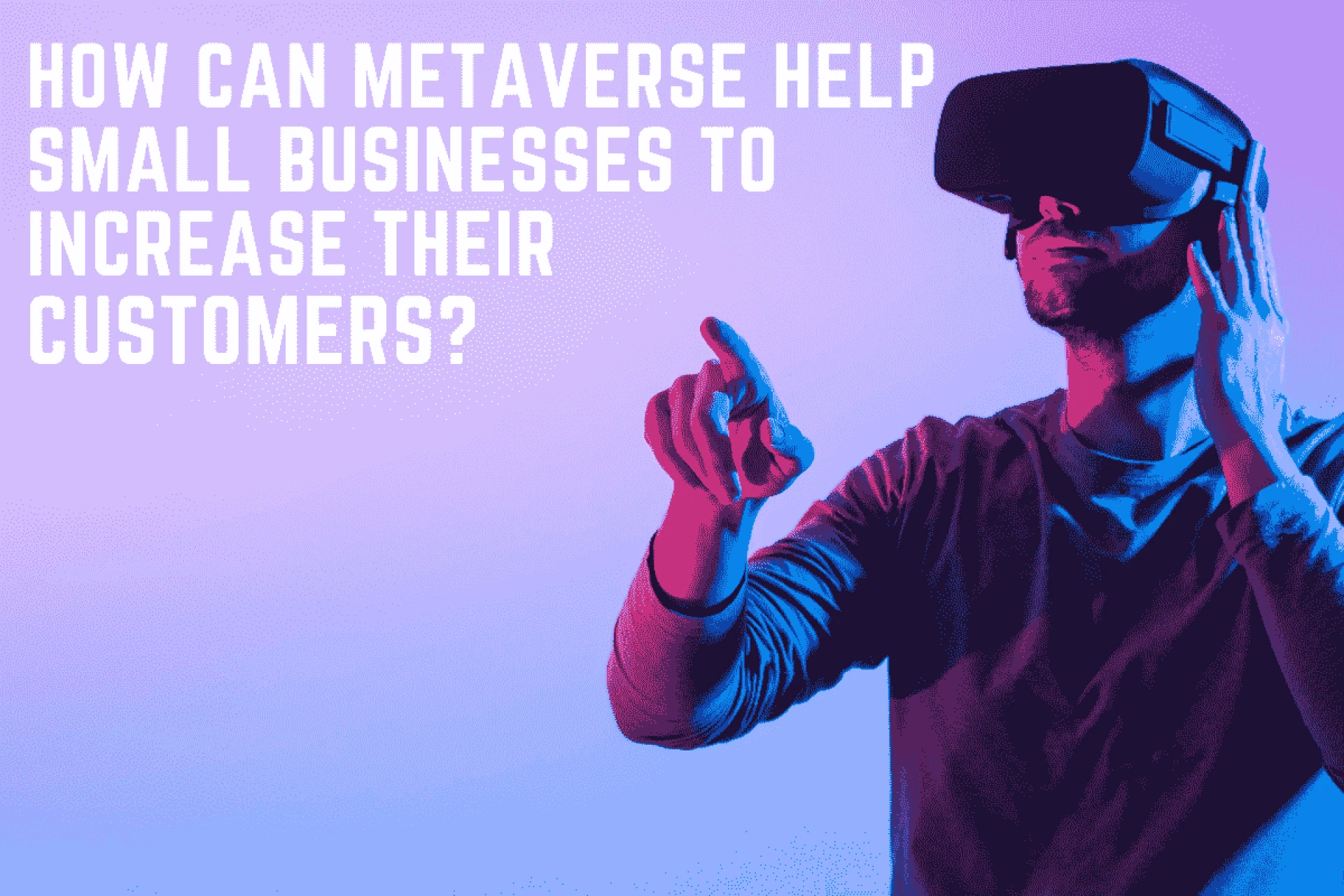
VR is a simulated experience that can be similar to or completely different from the real world. By using specialized equipment such as headsets and controllers, users can interact with and explore virtual environments in a highly immersive manner.
Advantages of Implementing VR in Education
The adoption of VR in education brings forth numerous benefits. One of the most significant advantages is the immersive learning experience it offers, allowing students to engage with content in a more interactive and memorable way.
Applications of VR in Education
VR technology finds diverse applications in education, ranging from virtual field trips to simulation-based learning scenarios. These applications enable students to explore subjects like never before, breaking down geographical barriers and fostering experiential learning.
Challenges and Limitations
Despite its potential, VR faces certain challenges and limitations, including accessibility issues and high costs. Additionally, technical constraints such as motion sickness and equipment compatibility pose hurdles to widespread adoption.
Overcoming Challenges
Efforts are underway to address the challenges associated with VR in education. Initiatives aimed at increasing accessibility and developing cost-effective solutions are essential for ensuring equitable access to VR experiences for all students.
Future Prospects of VR in Education
Looking ahead, VR holds tremendous promise for education. As educators continue to integrate VR into curricula and refine its applications, its potential to enhance learning outcomes and foster creativity is bound to grow.
Case Studies
Numerous case studies showcase the successful integration of VR in education. From medical training simulations to historical reenactments, these examples highlight the transformative impact of VR on teaching and learning.
Ethical Considerations
As with any technological advancement, VR in education raises ethical considerations such as privacy concerns and digital equity. It is imperative for stakeholders to address these issues proactively and ensure responsible use of VR technology.
Conclusion
In conclusion, VR represents a compelling frontier in education, offering unparalleled opportunities for immersive and experiential learning. While challenges exist, the potential benefits far outweigh the drawbacks, positioning VR as a promising tool for shaping the future of education.
FAQs
What are the main benefits of using VR in education?
VR offers immersive learning experiences, increased engagement, and enhanced retention of knowledge.How accessible is VR technology for educational institutions?
Accessibility varies depending on factors such as cost, infrastructure, and technical expertise.Are there any age restrictions for using VR in education?
While VR experiences can be tailored to different age groups, supervision and guidelines are necessary for younger users.What are the potential drawbacks of implementing VR in education?
Challenges include accessibility issues, high costs, and technical limitations.How can educators ensure equitable access to VR experiences for all students?
By advocating for inclusivity, exploring cost-effective solutions, and addressing digital equity concerns.
























Sign in to leave a comment.