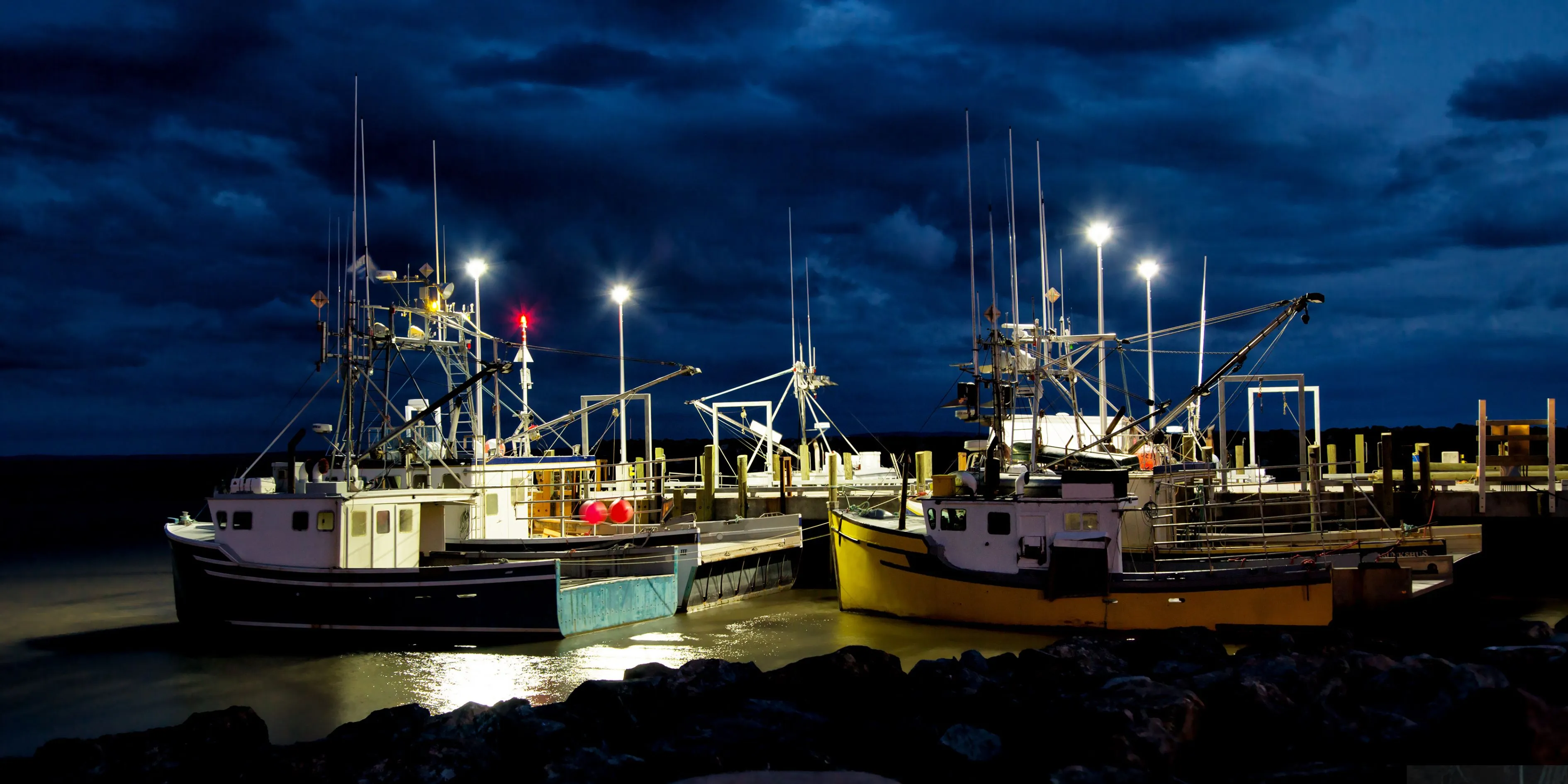

Picture this: it is 11 PM, you are two miles offshore, and your deck lights flicker out. The water is dark. Your crew cannot see the lines. Another vessel is heading your way, and they cannot see you either. What happens next depends entirely on your boat's lighting and whether it was ever good enough in the first place.
Lighting is not just about seeing where you are going. It is about being seen and getting home safely on the water. You may not even know it until something goes wrong if your setup is old or underpowered. Here is how to tell if it is time to upgrade to the best marine lights available today.
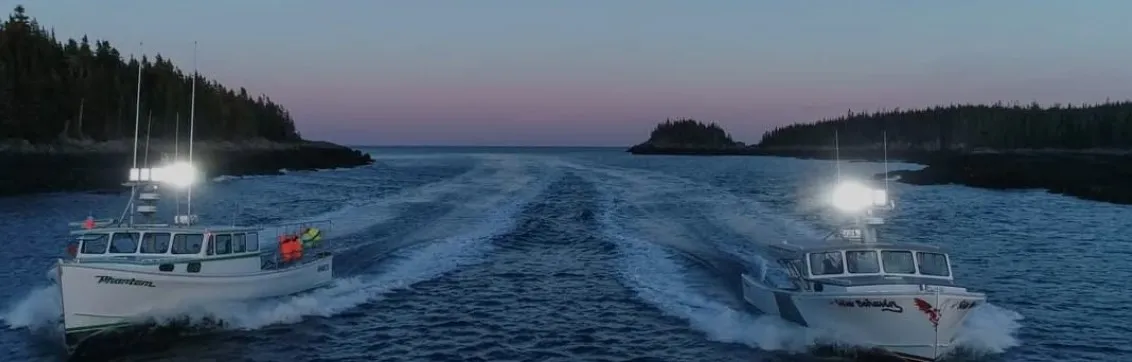
Why Your Boat's Lighting Setup Matters More Than You Think?
The U.S. Coast Guard (USCG) requires all boats on the water after dark to display specific navigation lights. Fail to meet those standards and you risk a citation or worse, a collision. Good lighting is important for your crew's safety and efficiency at night. It helps you respond quickly to emergencies and makes your vessel visible to others in fog or heavy rain.
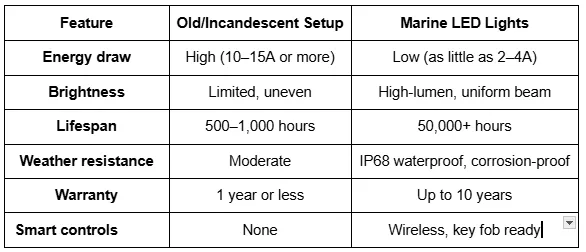
The best marine LED lights are not just brighter. They draw less power, handle rough weather better, and last far longer than older setups. If your lights were installed more than five years ago and have never been updated, they probably do not work as well.
10 Warning Signs Your Marine Lighting Is Outdated
Your Lights Flicker or Dim When the Engine is at Low RPM
Flickering lights are a clear sign your electrical system is under strain. Older setups, struggle to maintain steady output at low RPM, especially with high-draw bulbs. If your lights dim when you reduce throttle, it points to inefficient power usage that needs attention.
You Are Still Running Incandescent Bulbs
Incandescent bulbs are outdated. They generate excess heat, burn out quickly, and consume far more power than modern alternatives. Upgrading to LED lighting improves brightness and lifespan, making it a practical and overdue change for most boat owners.
Your Navigation Lights Do Not Meet USCG Requirements
Navigation lights are critical for safety and compliance. You risk accidents and penalties if your red and green lights are faded or not visible at the required distance. Properly functioning lights ensure other vessels can accurately read your position and movement.
You Cannot See Clearly Beyond 50 Feet at Night.
Limited visibility is a serious hazard on the water. Your reaction time is reduced if your lights barely illuminate beyond the bow. Modern marine lighting systems are designed to project clear and wide beams over long distances. It will significantly improve nighttime navigation.
Your Lights Fail in Fog or Bad Weather
Standard white lights reflect in fog, reducing visibility instead of improving it. Specialized lighting, such as amber-tinted options, is designed to cut through mist and harsh weather. Your safety is compromised if your current lights struggle in these conditions.
You Notice Corrosion or Moisture Inside Fixtures
Marine environments are tough on equipment. Visible rust, condensation, or damaged wiring inside your light fixtures indicates they are no longer reliable. High-quality marine lights are sealed and built as waterproof marine lights and saltwater-resistant lights, ensuring long-term performance.
Your Lights Drain the Battery on Long Offshore Trips
Lighting should not be a major drain on your battery. Older systems consume excessive power, which becomes risky during extended trips. Energy-efficient lighting solutions provide strong illumination while using minimal power, helping preserve battery life when it matters most.
You Have No Wireless or Remote Lighting Control
Manually operating switches in the dark, especially on a wet deck, is inconvenient and risky. Modern boat lighting systems provide remote or wireless control, allowing you to manage lighting safely and efficiently before even stepping onboard.
Your Bait-Raising Setup Depends on Generic Floodlights
Lighting plays a key role in attracting bait for offshore fishing. Generic floodlights lack the intensity and focus needed for effective bait raising. Purpose-built marine lighting delivers concentrated brightness, improving results and saving time during fishing trips.
Your Lights Have No SOS or Emergency Signal Mode
Emergency situations demand reliable signaling. Some modern marine lights include built-in SOS modes that can be seen from miles away. You are missing a critical safety tool that could make all the difference in an emergency without this feature.
Quick Comparison: Old Setup vs. Best Marine LED Lights
What to Look for in the Best Marine Lights?
All marine lights are built differently. Industry data shows that the LED marine lighting market is expected to reach about USD 14 billion by 2025. This growth is driven by the need for better efficiency and durability in both commercial and recreational boats. When shopping for an upgrade, focus on these core factors:
- Lumen output tells you how bright the light is, but beam geometry matters just as much. A well-shaped beam will outperform a brighter light with poor focus.
- Amp draw determines how long you can run your lights without draining your battery, critical on overnight or offshore trips.
- IP rating tells you how well the fixture is sealed against water and dust. IP68 is the minimum you should accept for saltwater use.
- Warranty length reflects how much the manufacturer trusts their product. The best marine LED lights for boats typically come backed by multi-year or even decade-long warranties.
- Wireless capability is no longer a luxury. The ability to control your lights remotely adds both convenience and safety.
Closing Up,
Outdated boat lights for night are a safety problem that builds quietly until something forces the issue. The good news is that upgrading has never been more straightforward. Today's best marine lights are more powerful, more efficient, and more durable than anything available just a few years ago.
Do not wait for a close call to make the change if any of the signs above sound familiar. Visit DuraBrite's marine lighting page to check out the best marine LED lights designed for tough offshore conditions. Find the right lights for your vessel today.
FAQ
Q1: What makes marine LED lights better than incandescent?
Ans: Marine LED lights use less power, last longer, and provide brighter, more consistent output. They also handle harsh saltwater conditions far better than incandescent bulbs.
Q2: Are the best marine lights USCG-compliant?
Ans: Most quality marine lights meet USCG standards for visibility and color. Always check product specifications to confirm compliance.
Q3: How many lumens do I need for offshore fishing?
Ans: Around 10,000–25,000 lumens works well for most offshore setups. Larger vessels may need higher output.
Q4: Can I install the best marine LED lights myself?
Ans: Many are easy to install, but professional help is safer if you are unsure about marine wiring.




























Sign in to leave a comment.