
In the high-achieving, hyper-competitive world that we live in now, childhood is no longer the same. School life for children in general, and for most children in India in particular, is no longer a matter of studying—it is a competition. Good marks, extracurricular activity, computer studies, olympiads, social media fame— the list is endless. And amidst all this, one important question gets conveniently forgotten: Is your child overpressured?
If the child is from one of the top private schools in Delhi, then they are likely to be around peers and systems that expect nothing but the best. It is not a problem if they have high aspirations, but the problem is when the pressure becomes too much—emotionally, mentally, and physically.
Parenting is about balancing ambition and compassion. Talking about signs that indicate that your child is silently suffering and how your response can be the turning point.
Why the Pressure is Real
The expectation begins early on. From board exams and nursery admissions to extracurricular achievements and potential college placements—children are likely to carry the burden of adult expectations.
Delhi's best private schools are famous for academic brilliance, innovation, and all-around student’s development. Even during the best of times, though, the collective energy of students, teachers, and parents finds its way into involuntary stress now and then.
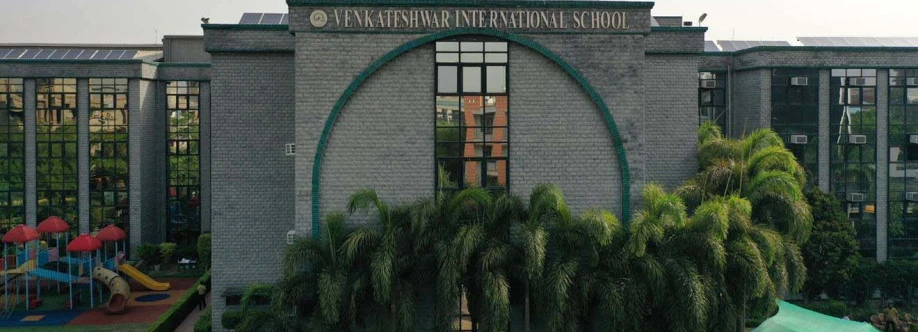
Venkateshwar International School (VIS), Sector 10, Dwarka, is a beacon of hope. VIS aims to grow the child as a complete being—intellectually, emotionally, and socially—with well-being at the core of learning. It's an approach others must follow.
Warning Signs That Your Child Might Be Under Too Much Stress
1. Unusually excessive mood swings or irritability
If your teen is unusually cranky, cries all the time, or flips out over little things, it may be more than teen angst. Mood swings are early warning signs of tension.
2. Changes in Sleep Patterns
Is your child sleeping too much or too little? Trouble sleeping, nightmares, or waking up tired after a full night's sleep are all possible signs of anxiety.
3. Loss of Interest in Hobbies or Friends
Avoidance of activities that were once enjoyed, or resistance to social interaction with friends, typically signals emotional burnout.
4. Physical Complaints without Medical Cause
Recurrent fatigue, stomach cramps, or headaches are the body's responses to psychological stress.
5. Perfectionism or Fear of Failure
If your child fears getting things wrong or panics over small mistakes, it could be the result of overpressure to succeed. Chronic self-blame is an indication of something being wrong.
6. Decline in Academic Performance
Ironically, pressure to perform can lead to a decline in academic performance. Anxiety distorts concentration, memory, and motivation.
7. Avoidance or Procrastination
Procrastination or absenteeism from class isn't laziness—it could be a survival mechanism when work is cognitively exhausting.
8. Negative Self-Talk
Such remarks as "I'm stupid," "I'll never be good enough," or "I can't do this" should not be taken lightly. These are signs of low self-esteem, which are normally brought about by stress.
The Parenting and Mental Health Role
Parenting in the 21st century is not just about providing opportunities but being present emotionally too. Parenting and mental health go hand in hand. Your mental health decides the way you react to your child's issues. Likewise, your support system becomes their emotional support system.
This is how you can assist:
• Hear Without Judgment
Kids are afraid of letting down their parents and hide their concerns from them. Ask them to feel comfortable enough to open up.
• Redefine Success
Remind your child that it's not about trophies and grades but about happiness, learning, and growing.
• Prioritize Downtime
Ensure your child has the opportunity to relax, play, and be "unproductive." Unstructured time is not wasted time.
• Speak Freely About Feelings
Facilitate emotional discussions. Normalize counseling or therapy if appropriate.
• Model Balance
Demonstrate to your child how you cope with your own stress. Actions speak louder than words.
What Schools Can Do Differently
An education system that pays for only outcomes will always be stressful. The solution lies in schools that marry ambition with emotional quotient. That is where schools like Venkateshwar International School are leading the way.
VIS isn't just one of Delhi's top-performing private schools by academic achievement—it's also at the forefront of redefining student achievement. With a blend of personalised growth, project-based learning, life skills learned through education, emotional well-being initiatives, and parent-teacher partnerships, VIS ensures that kids are not just test-ready—but life-ready.
The school culture encourages students to be curious, confident, and compassionate. Above all, VIS students learn that it is a sign of strength, not weakness, to seek help.
When to Seek Professional Help
If your child's anxiety starts to interfere with their day-to-day life, don't delay. Call:
- A child psychologist or counselor
- The school’s student wellness team
- Pediatricians who can assess mind-body symptoms holistically
- Just remember, early intervention can avoid long-term repercussions.
Final Thoughts: Let's Rethink What Childhood Should Look Like
Childhood should not be a competition. Childhood should be an age of education, of laughter, and of emotional growth. Ambition is great, but it should not come at a child's expense of mind.
As parents, let us vow to:
- Seek out the signs
- Talk more to our children
- Worry less about success and more about their happiness
Choose schools that develop the child beyond the curriculum. Choose schools that prioritize character building, grit, and happiness. Venkateshwar International School is already leading this revolution of change—developing students who are not just future-ready but life-ready. Because the true test of education isn't on report cards—but on smiling, healthy, and confident young minds.


























Sign in to leave a comment.