When we talk about education today, it’s no longer just about textbooks, exams, and rote learning. In a rapidly changing world shaped by AI, automation, and globalisation, curriculum innovation is no longer optional; it’s essential. For CBSE schools aiming to truly prepare students for life beyond the classroom, embracing modern curriculum design is the only way forward.
The Shift from Traditional to Transformational
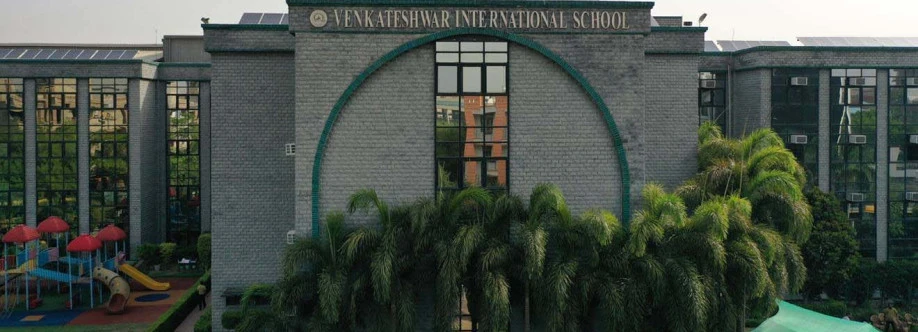
Traditional classwork focused on abstract knowledge. That still carries value, but that is no longer enough. Today, forward-looking schools like Dwarka's Venkateshwar International School (VIS) are setting a new standard by making training in future skills an integral part of classwork. We're talking about communication, critical thinking, collaboration, and creativity, the 4 C's of 21st-century education.
This evolution also mirrors 21st-century education trends that call for flexible, student-focused, and competency-based learning environments. The goal? To produce students who aren’t just academically competent but adaptable, innovative, and future-ready.
STEM Curriculum: The Heart of Innovation
The core of this transformation lies in a strong STEM curriculum, a curriculum that blends science, technology, engineering, and mathematics with real-world applications. At VIS, for instance, students aren’t just learning about scientific formulas; they’re applying them to solve real problems through project-based learning examples.
Whether it's building sustainable models, coding simple AI algorithms, or simulating robotics, students are encouraged to think like inventors and doers. This not only makes learning fun but also meaningful.
Why Innovation Matters Now More Than Ever
We’re living in a world where the jobs of tomorrow don’t even exist today. So how do we prepare students for such uncertainty? By teaching them how to think, not what to think. Innovative teaching methods like flipped classrooms, experiential learning, and interdisciplinary projects equip learners with the ability to analyse, adapt, and act independently.
At VIS, we’ve seen this first-hand. From junior classes to senior secondary levels, students are encouraged to take ownership of their learning. Teachers become facilitators, guiding students through inquiry, discovery, and reflection.
Project-Based Learning: From Theory to Practice
Project-based learning examples are central to this approach. Instead of memorising facts for a test, students might create a business plan for a social enterprise, design a water filtration prototype, or curate a digital art exhibit. These projects don’t just teach knowledge, they teach resilience, teamwork, presentation skills, and real-world problem-solving.
VIS has made this methodology a part of its DNA. From internal exhibitions to national competitions, students are provided platforms to showcase their ideas, receive feedback, and evolve their work.
Building the Future, One Classroom at a Time
Future skills education isn’t a one-time lesson; it’s a mindset woven into every subject and activity. At Venkateshwar International School, innovation is not a buzzword; it’s a commitment. The school’s curriculum is thoughtfully structured to blend academic rigour with creative exploration.
By focusing on curriculum innovation, VIS ensures students don’t just survive the future; they shape it.
Final Thoughts
The world has changed, and so must our classrooms. A modern curriculum design rooted in STEM, project-based learning, and innovative teaching methods is the foundation every CBSE school needs to stay relevant. Venkateshwar International School stands at the forefront of this movement, creating an ecosystem where future leaders, thinkers, and creators are nurtured every day.
In a time when information is everywhere, the true value lies in imagination, insight, and innovation. And that’s exactly what a future-ready school delivers.

























Sign in to leave a comment.