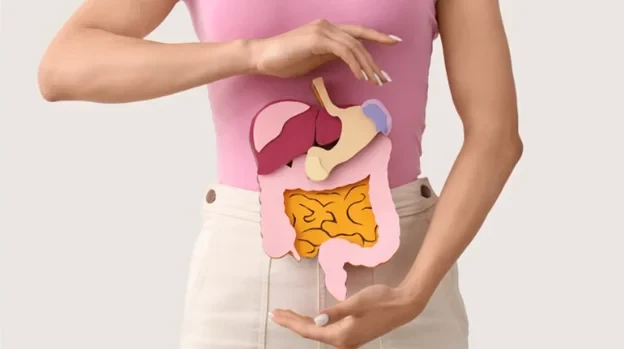

Your liver’s working 24/7 to keep you alive, filtering out toxins, digesting fats, and storing essential nutrients. But here’s the thing—when it starts to fail, you probably won’t notice. Liver disease doesn’t hit like a heart attack or make itself obvious like a broken bone. It sneaks up on you, slowly, silently, until the damage is already done. That’s why early screening at a trusted digestive & liver centre is crucial—it could mean the difference between prevention and irreversible damage.
And that’s the scary part.
Most people don’t realise their liver’s in trouble until it’s too late—until they’re facing cirrhosis, liver failure, or even cancer. But you’re not most people. You’re here, looking for answers, and that means you’ve got a fighting chance to catch the warning signs early.
So let’s get into it. If your liver’s in distress, here’s how to know.
You’re Always Tired—And It’s Not Just “Normal” Exhaustion
You’re dragging yourself through the day, even after a full night’s sleep. Coffee barely makes a dent. You feel like you’ve hit a wall, and no matter what you do, you just can’t shake the fatigue.
Sound familiar? That’s because your liver plays a huge role in energy metabolism. When it’s struggling, your body holds on to toxins that should’ve been flushed out, making you feel sluggish, foggy, and weak. If you’re always running on empty—without a clear reason—your liver could be begging for help.
Your Skin and Eyes Have a Yellow Tint (And That’s a Huge Red Flag)
If your skin’s got a yellowish glow or the whites of your eyes look more golden than clear, you need to take this seriously. That’s jaundice, a telltale sign your liver’s failing to process bilirubin—a waste product that should be leaving your body, not hanging around in your bloodstream.
Jaundice doesn’t just happen for no reason. It’s a warning sign that something’s seriously off. If you notice any yellowing, don’t wait—get checked out now.
Your Urine’s Dark, Your Stool’s Pale—And That’s Not Normal
If your urine’s suddenly dark amber or tea-coloured, even when you’re drinking plenty of water, it could mean excess bilirubin is leaking into your bloodstream.
And if your stool’s gone from its usual brown to a chalky, pale colour, that’s another red flag. Your liver’s in charge of producing bile, which gives your stool its colour. If something’s blocking bile flow—whether it’s inflammation, infection, or even a tumour—it’s a sign your liver isn’t working like it should.
Your Abdomen Feels Bloated or Swollen—But It’s Not Just Gas
You know that uncomfortable, swollen feeling you get after a big meal? Imagine feeling like that all the time.
Liver disease can cause fluid buildup in the abdomen (a condition called ascites), making your stomach look and feel bloated—even if you haven’t eaten much. And if pressing on your belly leaves an indentation? That’s even more concerning.
A swollen abdomen isn’t just annoying—it could be a serious sign that your liver’s struggling to function. If you’re experiencing persistent bloating, consulting a digestive & liver centre for a screening could provide the answers you need.
You’re Losing Weight (But Not in a Good Way)
Sudden weight loss might sound great, but if you’re not trying to lose weight and it’s just falling off? That’s a problem.
When your liver’s damaged, it can’t process nutrients properly, so your appetite disappears. Your body starts breaking down muscle and fat for energy, leading to unintentional weight loss. If you’ve been skipping meals without meaning to, or the thought of food makes you feel sick, your liver could be the reason.
Your Skin Feels Itchy All the Time—And Nothing Helps
This one’s frustrating. Your skin feels dry, tight, and unbearably itchy, but no amount of lotion, oil, or moisturiser gives you relief.
That’s because liver disease can cause bile salts to build up under your skin, triggering intense, unexplained itching. It’s not just dry skin—it’s an internal problem, and no topical cream’s going to fix it.
If you’re constantly scratching, and there’s no obvious cause, your liver might be trying to tell you something.
You Bruise Easily—And You Don’t Know Why
Got a bruise on your arm but don’t remember bumping into anything? Seeing random dark spots on your legs?
Your liver helps produce proteins that keep your blood clotting properly. When it’s damaged, you’ll start bruising more easily because your blood isn’t clotting the way it should.
It’s subtle at first, but if you’re noticing more unexplained bruises than usual, it’s time to take a closer look at your liver health.
Where to Get Help for Your Liver Health
If you’re worried about your liver, don’t wait. Early detection is key to reversing damage and preventing life-threatening complications. A digestive health screening service can assess your liver function, identify potential issues, and guide you towards the best treatment.
In Singapore, a Gastroenterology specialist Singapore can diagnose and manage liver conditions, from fatty liver disease to cirrhosis. If further tests are needed, such as an endoscopy and colonoscopy Singapore, specialists can provide a detailed examination to rule out other digestive issues.
For expert guidance, consider visiting a liver disease treatment clinic. These clinics are staffed by hepatology and gut health experts who can help you create a plan to protect and support your liver.
How to Save Your Liver—Before It’s Too Late
The good news? Your liver can heal itself—if you act fast. Here’s what you can do right now to protect it:
- Eat liver-loving foods like leafy greens, berries, garlic, and healthy fats such as avcados to help detoxify your liver.
- Cut back on alcohol. Even a few weeks off can help your liver regenerate.
- Stay hydrated. Water helps your liver flush out toxins, so aim for at least eight glasses a day.
- Exercise regularly. Keeping a healthy weight prevents fatty deposits in the liver.
- Limit processed foods. Too much sugar and trans fats put unnecessary stress on your liver.
- Get regular check-ups. A simple blood test can detect liver disease before symptoms appear.
Your liver’s fighting for you every day. Give it the care it deserves. Book an appointment at a digestive & liver centre to get your health checked today.






























Sign in to leave a comment.