
Introduction
Islamic education has always played a pivotal role in shaping the lives of young Muslims. Rooted in both spiritual and intellectual development, it offers a balanced approach to learning that integrates faith, ethics, and academics. In today’s modern world, where values and identity are constantly tested, Islamic education provides a strong moral compass and an understanding of one’s purpose in life.
The Essence of Islamic Education
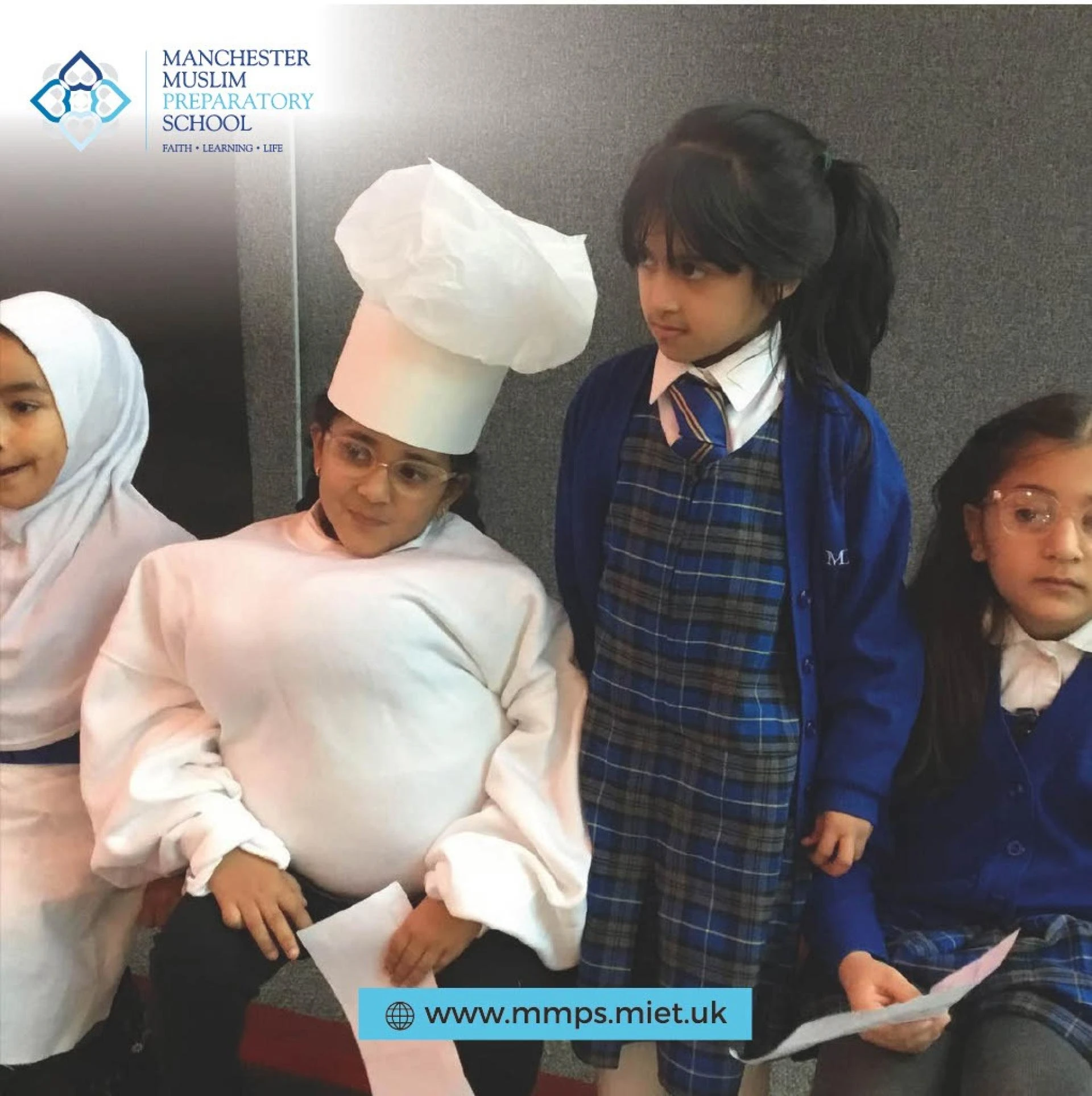
At its core, Islamic education is not just about acquiring knowledge; it’s about transforming character. It combines the pursuit of worldly knowledge with the guidance of the Qur’an and Sunnah, ensuring that students grow to be responsible individuals who contribute positively to society.
It teaches discipline, compassion, and respect — qualities that form the essence of a true believer. From early Quranic teachings to advanced Islamic studies, this system encourages students to seek knowledge as an act of worship.
Balancing Faith and Modern Learning
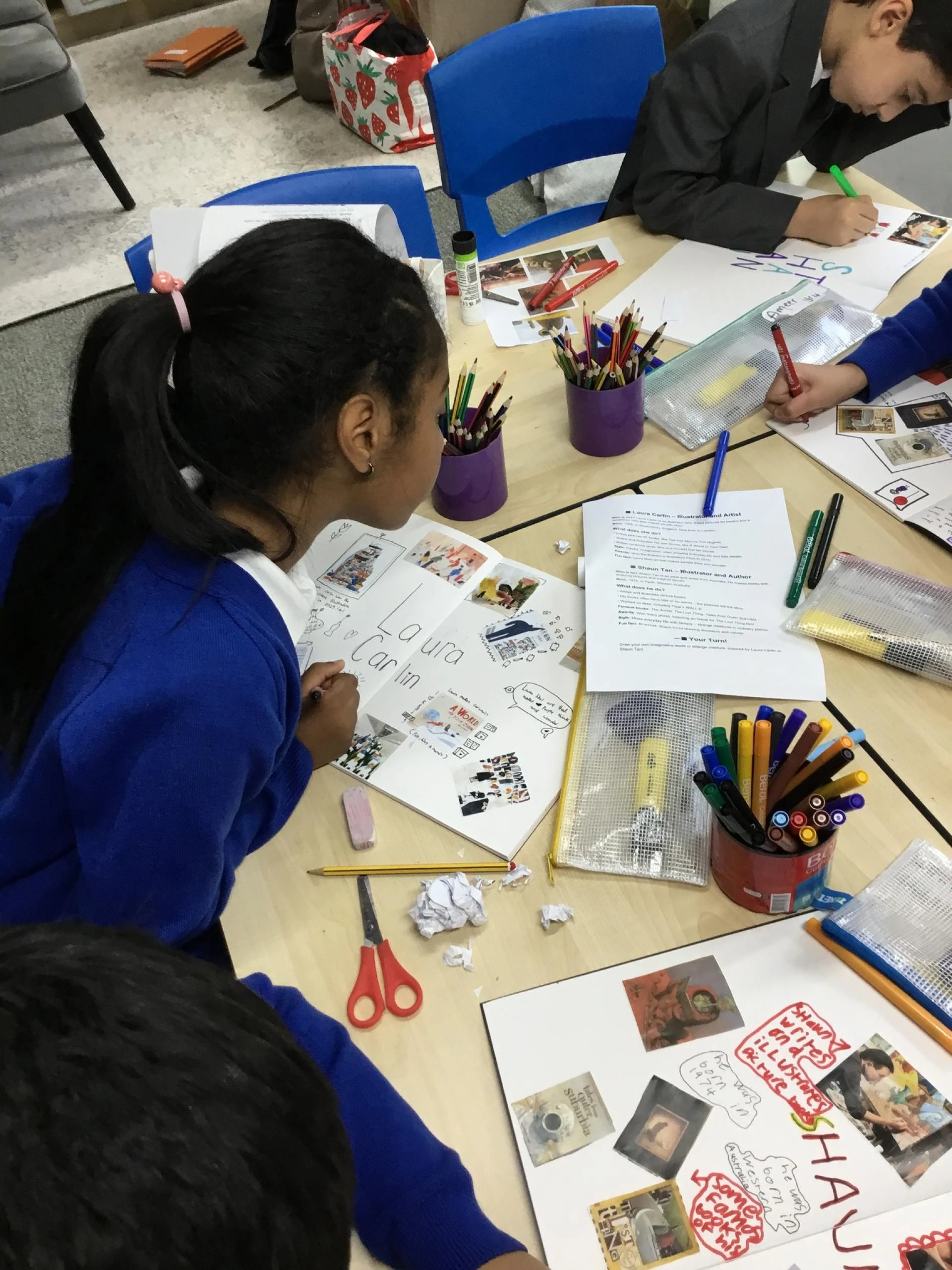
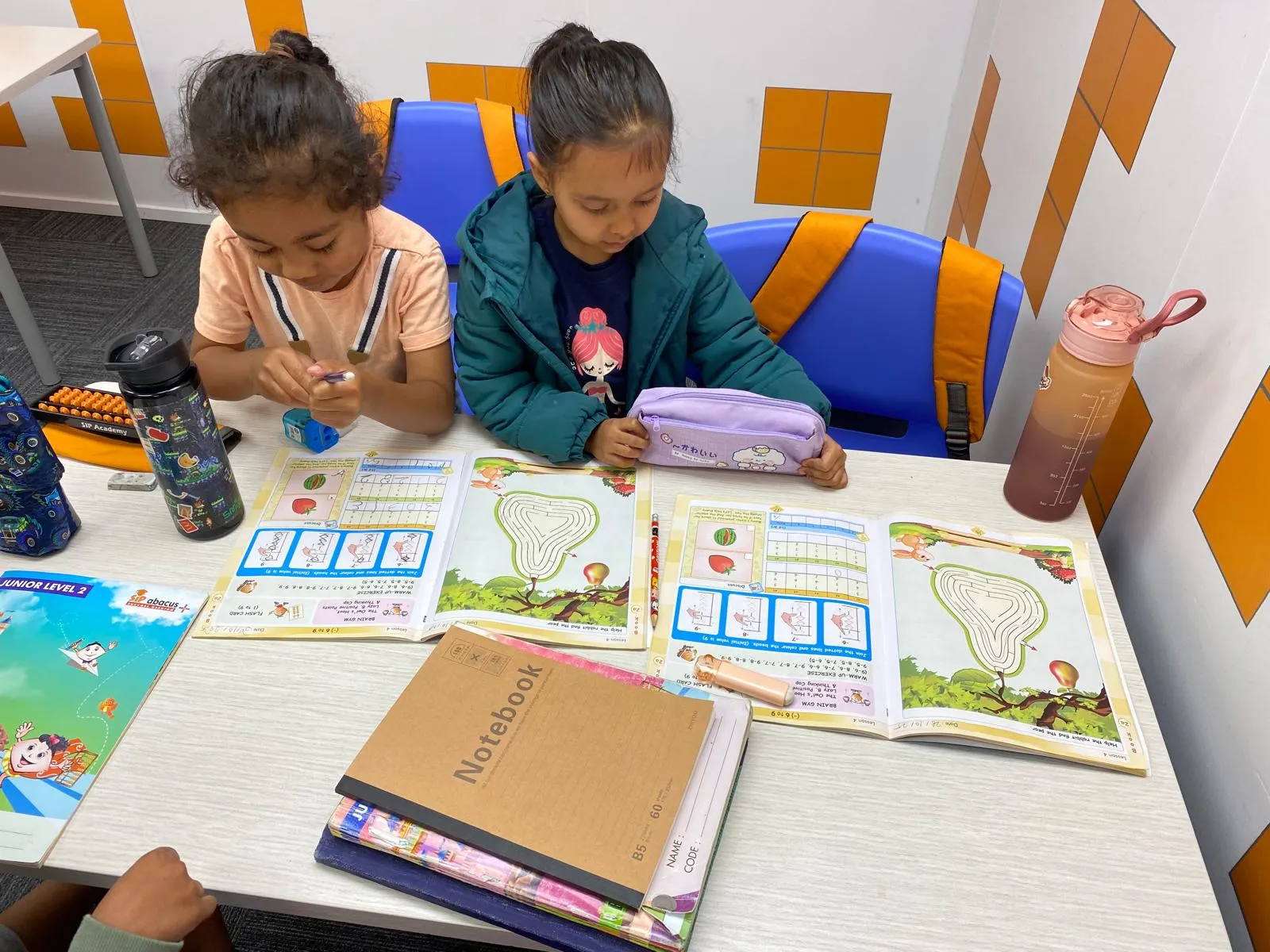
One of the main strengths of Islamic education is its ability to merge traditional learning with modern subjects. Students study English, mathematics, and science alongside Islamic studies, Arabic, and Qur’an memorisation. This dual focus allows them to excel in both secular and spiritual fields.
Schools that follow Islamic educational principles encourage students to understand their faith deeply while remaining competitive in the academic world. This balanced approach ensures that graduates are equipped to face global challenges without losing their values.
Moral and Spiritual Development
Islamic education emphasizes the development of akhlaq (good character). Teachers act as role models, guiding students in humility, honesty, and perseverance. Regular prayer, moral discussions, and reflection help build a strong spiritual foundation.
Unlike conventional education systems that may overlook ethical development, Islamic schools see moral training as central to every subject and activity.
Community and Identity
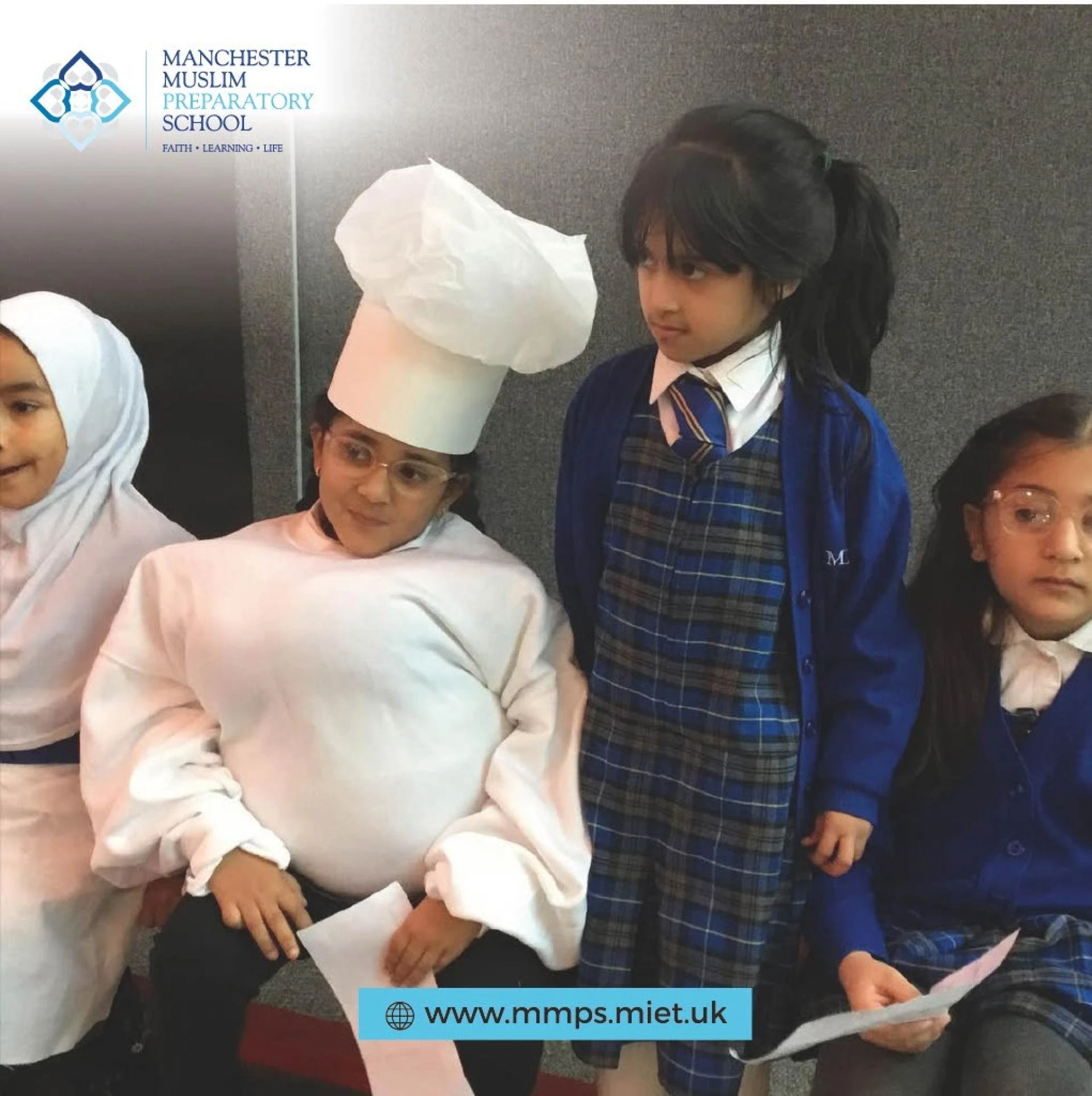
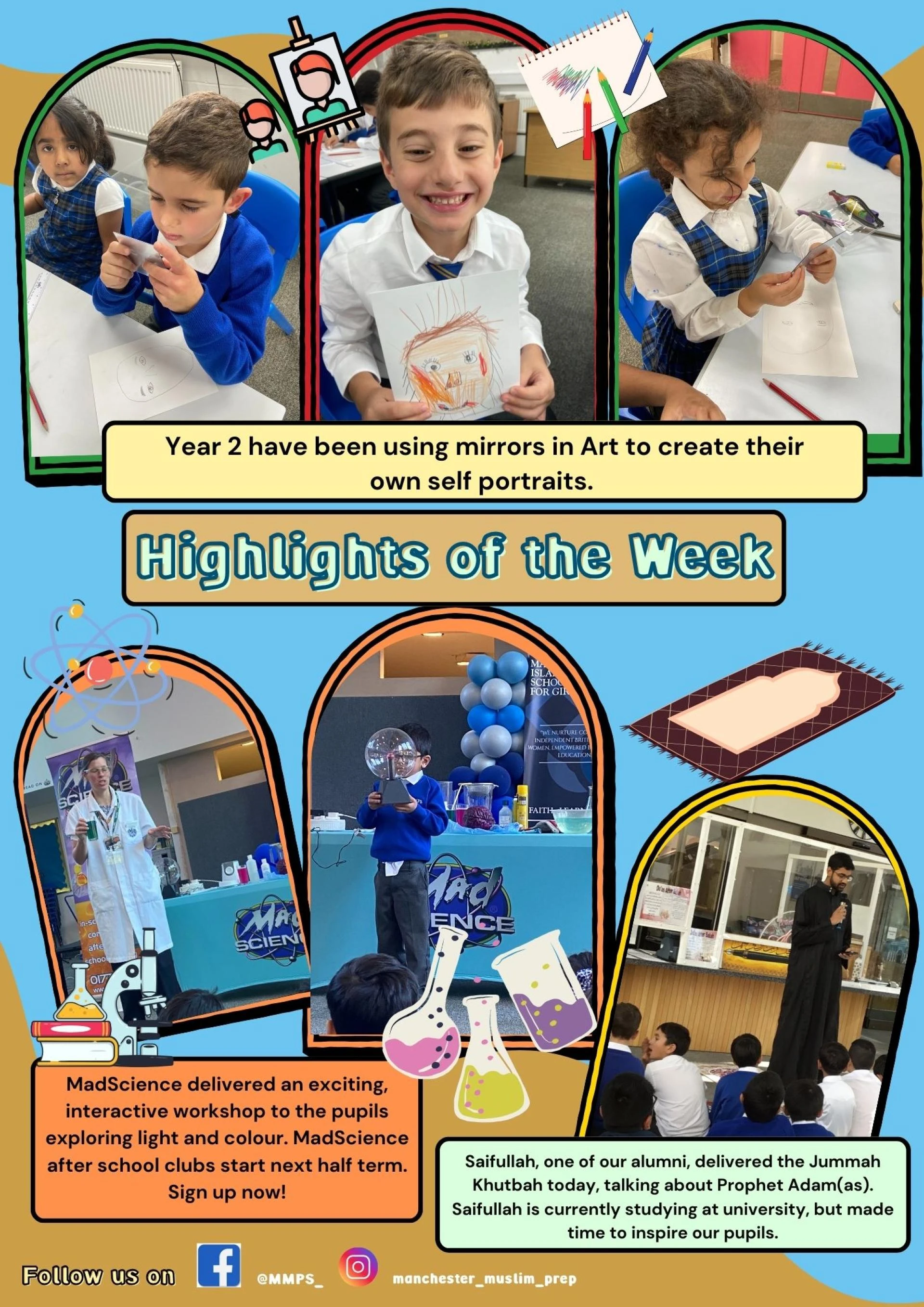
Islamic schools and educational programs also play a crucial role in strengthening the Muslim identity of young people. Through collective prayers, community projects, and Islamic assemblies, students learn to appreciate the importance of unity and social responsibility.
They grow up proud of their heritage and committed to making positive contributions to their communities, fostering harmony and understanding across faiths.
Global Impact of Islamic Education
From the early madrasahs of Baghdad and Cairo to modern Islamic schools in cities like Manchester, London, and Dubai, Islamic education has evolved with time while maintaining its spiritual foundation. Today, it stands as a global model of holistic learning — combining intellect, ethics, and empathy.
Conclusion
Islamic education is more than just a curriculum — it’s a lifelong journey of faith and growth. It nurtures balanced individuals who excel academically, serve their communities, and live by the principles of Islam. In a rapidly changing world, the values instilled through Islamic education remain timeless, offering guidance, peace, and purpose for generations to come.
























Sign in to leave a comment.