
Introduction
An Islamic Educational Trust plays a vital role in preserving Islamic values while delivering high-quality academic education. In today’s rapidly changing world, Muslim communities seek institutions that balance faith, character development, and academic excellence. Islamic Educational Trusts fulfil this need by establishing and managing schools, educational programmes, and community initiatives rooted in Islamic principles. Their mission extends beyond classrooms—shaping confident, morally grounded individuals who contribute positively to society.

What Is an Islamic Educational Trust?
An Islamic Educational Trust is a registered charitable organisation dedicated to promoting education based on Islamic teachings. These trusts oversee the planning, governance, and development of Islamic schools and learning centres, ensuring that education aligns with both national academic standards and Islamic values.
Such trusts are typically responsible for:
Establishing Islamic primary and secondary schools
Maintaining high standards of teaching and learning
Ensuring Islamic ethos across curriculum and school life
Supporting students’ spiritual, moral, and academic growth
By operating under a trust model, these institutions benefit from structured governance, transparency, and long-term educational planning.
The Core Mission and Vision
The mission of an Islamic Educational Trust is to provide a holistic education that integrates faith (Deen) with knowledge (Dunya). The vision is to nurture students who are academically capable, spiritually aware, and socially responsible.
Key objectives often include:
Teaching Islamic studies alongside the national curriculum
Instilling strong moral values and discipline
Encouraging respect, tolerance, and community service
Preparing students for higher education and professional success
This balanced approach helps students develop a strong Muslim identity while thriving in modern society.
Islamic Values at the Heart of Education
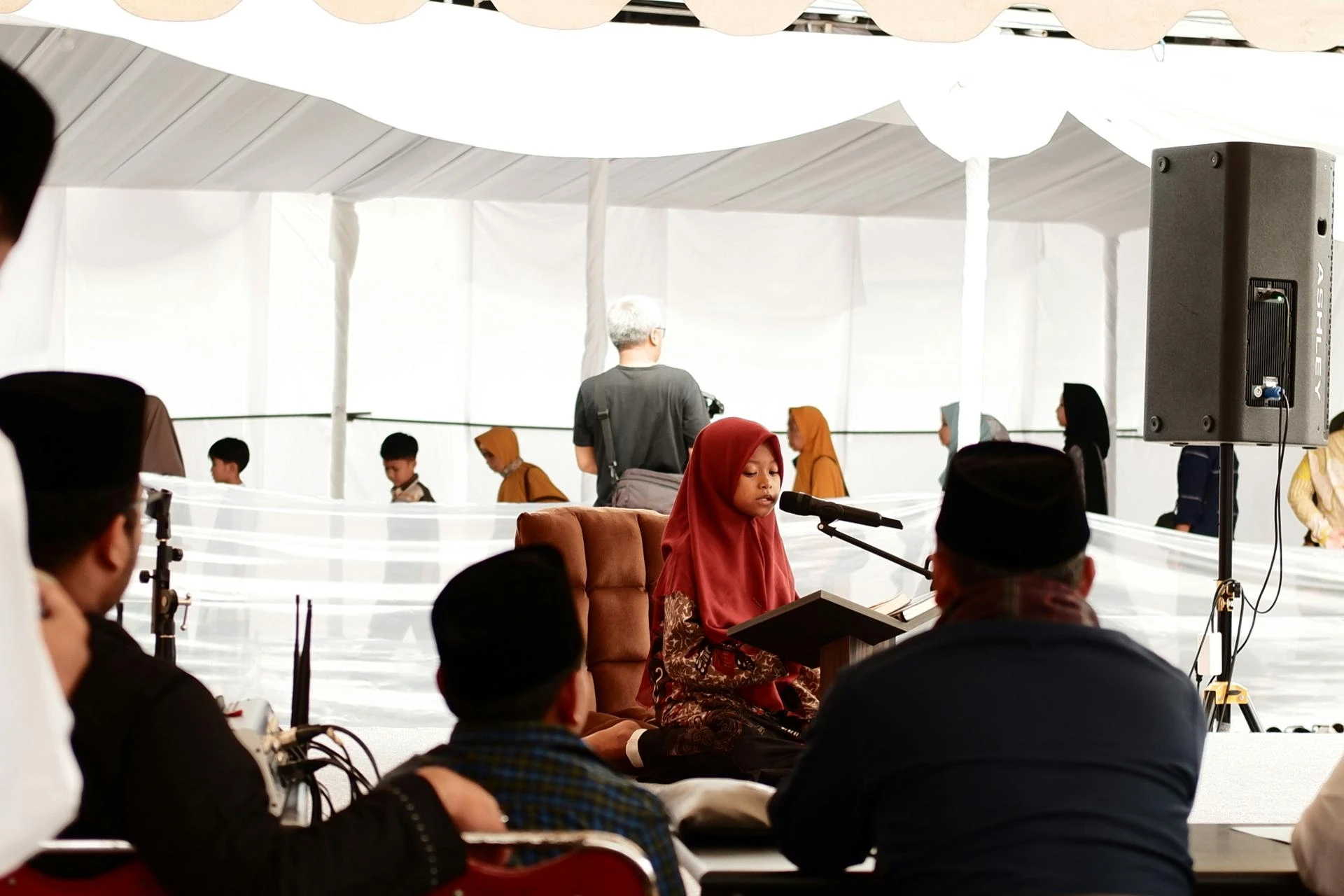
Islamic Educational Trusts place great emphasis on character development. Daily practices such as prayer, Qur’an recitation, and Islamic etiquette are integrated into school life. Students learn the importance of honesty, compassion, respect, and responsibility through both formal lessons and everyday interactions.
By embedding Islamic values into education, trusts ensure that students grow into individuals who uphold ethical standards and contribute positively to their communities.
Commitment to Academic Excellence
While faith is central, Islamic Educational Trusts are equally committed to academic success. Schools under these trusts follow recognised national curricula, ensuring students meet and exceed educational benchmarks.
Highly qualified teachers, modern teaching methods, and a supportive learning environment help students achieve strong academic outcomes. Many trust-run schools consistently demonstrate excellent performance in examinations and inspections, reflecting their dedication to quality education.
Supporting Families and the Wider Community
An Islamic Educational Trust does more than educate students—it supports families and strengthens communities. Trusts often organise:
Parent engagement programmes
Community events and Islamic seminars
Charity initiatives and social outreach
These efforts create a strong partnership between schools, families, and the wider Muslim community, reinforcing shared values and collective responsibility.
Governance, Transparency, and Sustainability
Effective governance is a cornerstone of any successful Islamic Educational Trust. Trustees are responsible for maintaining transparency, financial accountability, and compliance with educational regulations. This ensures long-term sustainability and trust within the community.
Through careful planning and ethical management, Islamic Educational Trusts can continue serving future generations with integrity and excellence.
Conclusion
An Islamic Educational Trust plays a crucial role in shaping well-rounded, confident Muslim students by combining faith-based learning with academic excellence. Through strong governance, a clear mission, and commitment to Islamic values, these trusts provide a nurturing environment where students can thrive spiritually, intellectually, and socially. As the demand for faith-centred education continues to grow, Islamic Educational Trusts remain essential pillars in building educated, ethical, and empowered future generations.




























Sign in to leave a comment.