
Introduction
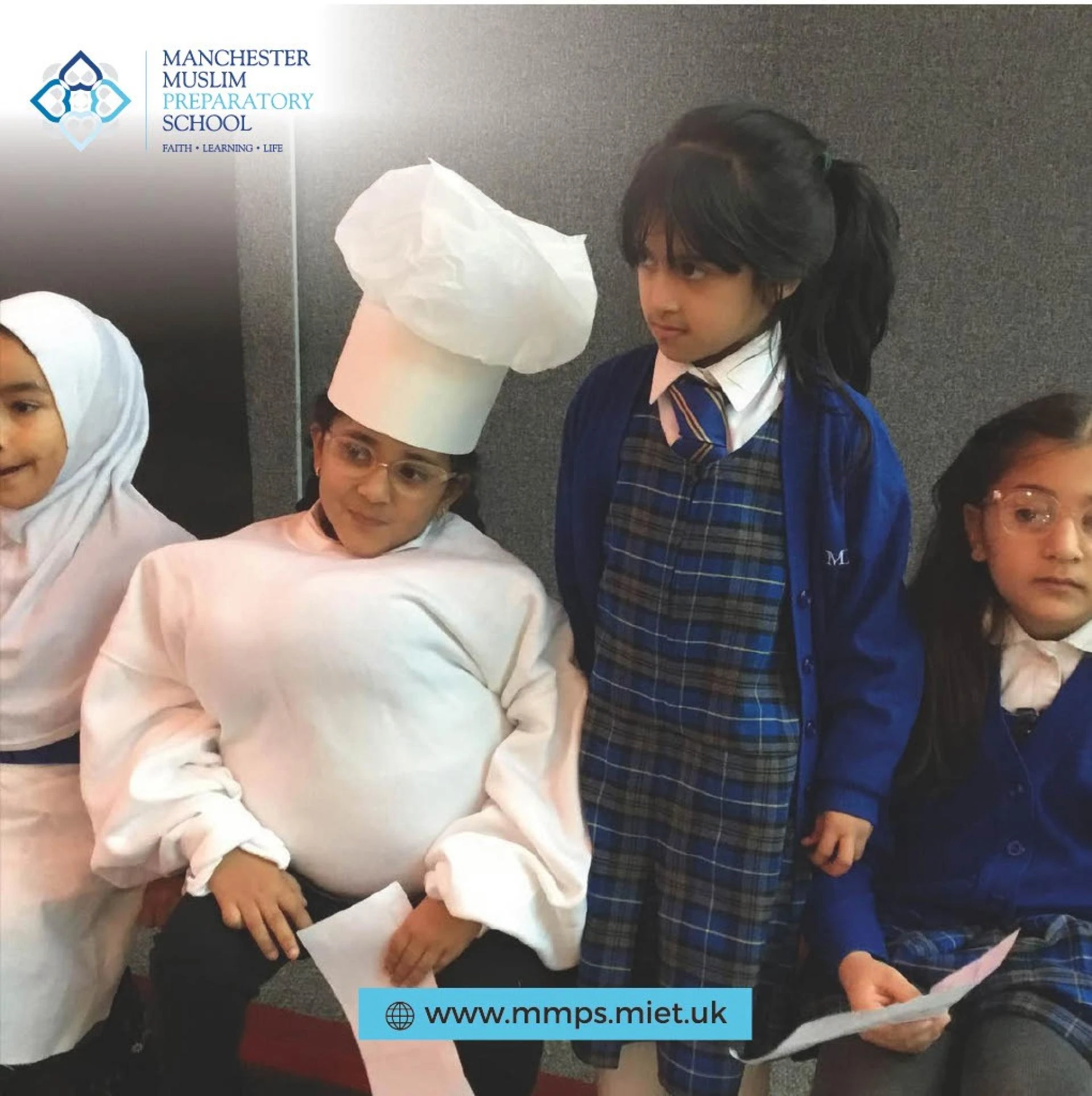
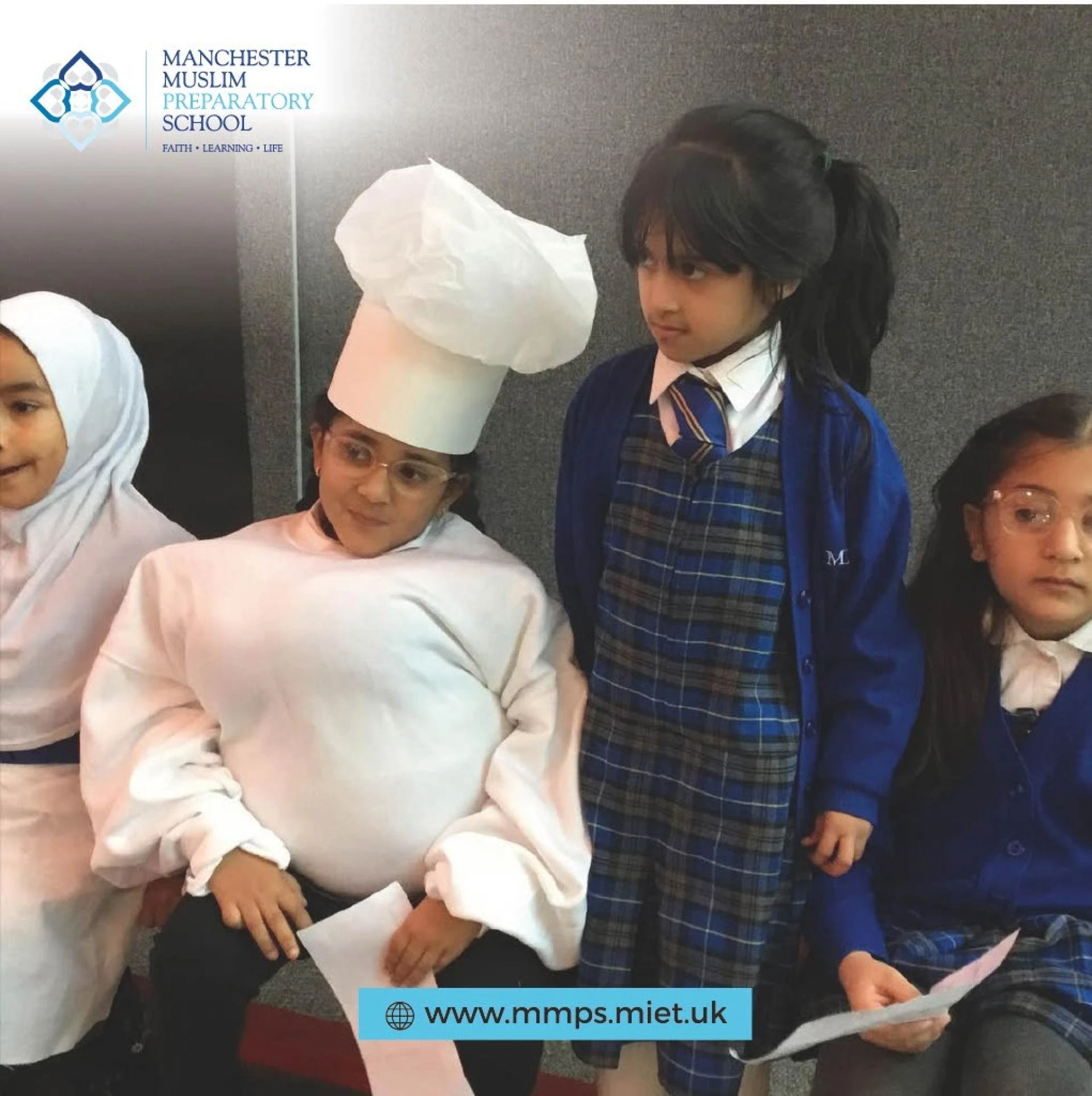
In today’s ever-changing world, education plays a vital role in shaping children’s character, values, and future. For Muslim families, there is a growing demand for schools that not only focus on academic excellence but also integrate Islamic principles into daily learning. Islamic school kids benefit from an environment where faith and education walk hand in hand, giving them a strong foundation for life. These schools provide a nurturing atmosphere where children can flourish academically, socially, and spiritually.
Islamic Schools as Safe Spaces
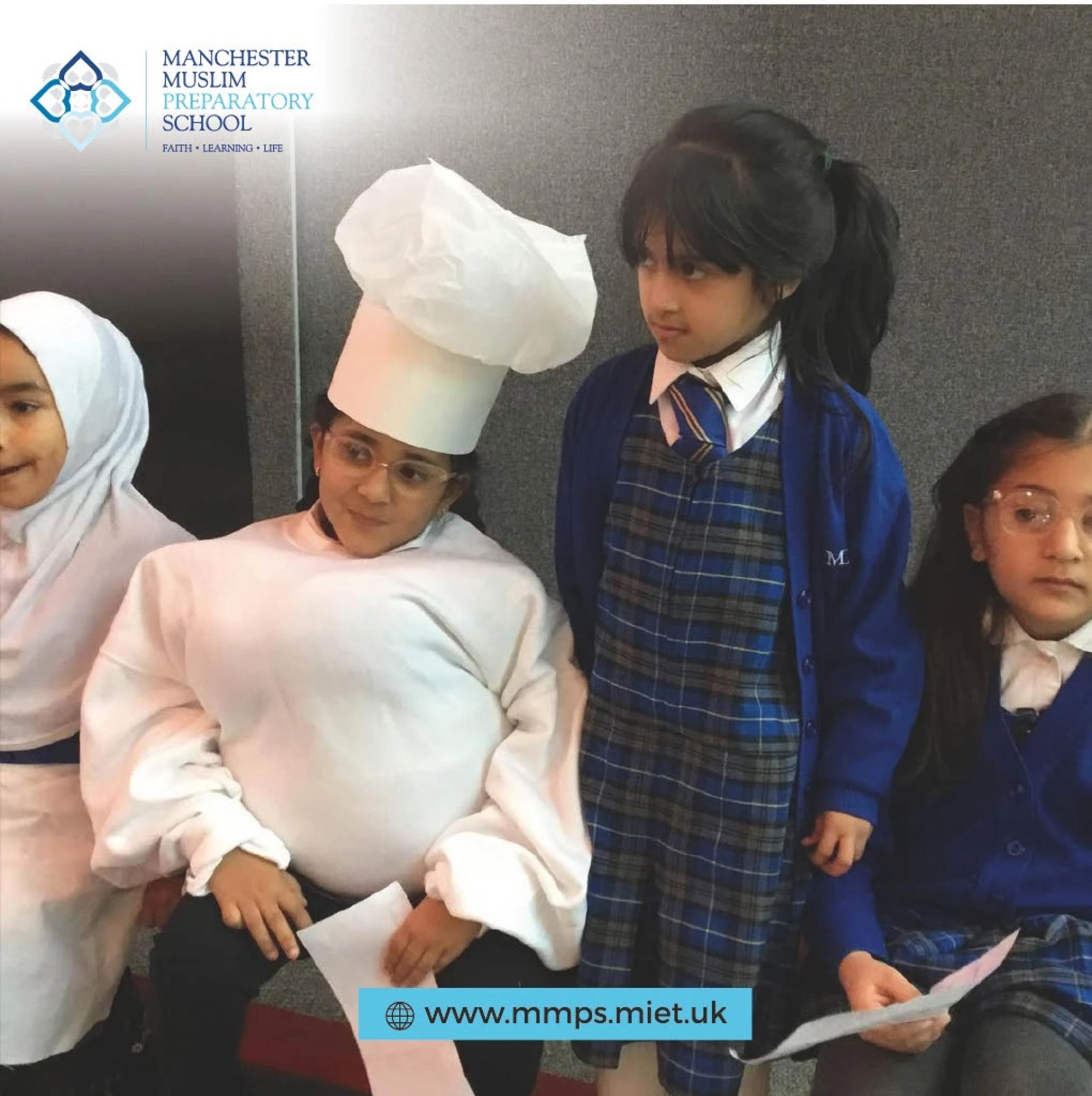
One of the greatest advantages for children studying in Islamic schools is the safe and familiar environment. Kids grow up surrounded by peers who share similar values, beliefs, and traditions. This sense of belonging helps children build confidence in their identity as young Muslims. Daily routines such as prayer breaks, modest dress codes, and faith-based assemblies create consistency and strengthen their sense of community.
Academic Excellence Meets Faith
Islamic schools ensure that children are not left behind academically. Most follow the UK National Curriculum alongside Islamic studies. This balance allows students to thrive in subjects like maths, science, English, and humanities while also learning Qur’an, Arabic, and Islamic history. For kids, this means they receive the same high standards of education as their peers in mainstream schools, but with the added value of faith-based teachings.
Developing Strong Character
Islamic schools are not just about academic grades; they emphasise character development. Children are encouraged to practice respect, honesty, kindness, and responsibility in everyday life. Teachers often serve as role models, guiding kids to make choices based on Islamic ethics. This kind of moral education ensures that children grow into well-rounded individuals prepared to face the challenges of modern society.
Extracurricular Opportunities
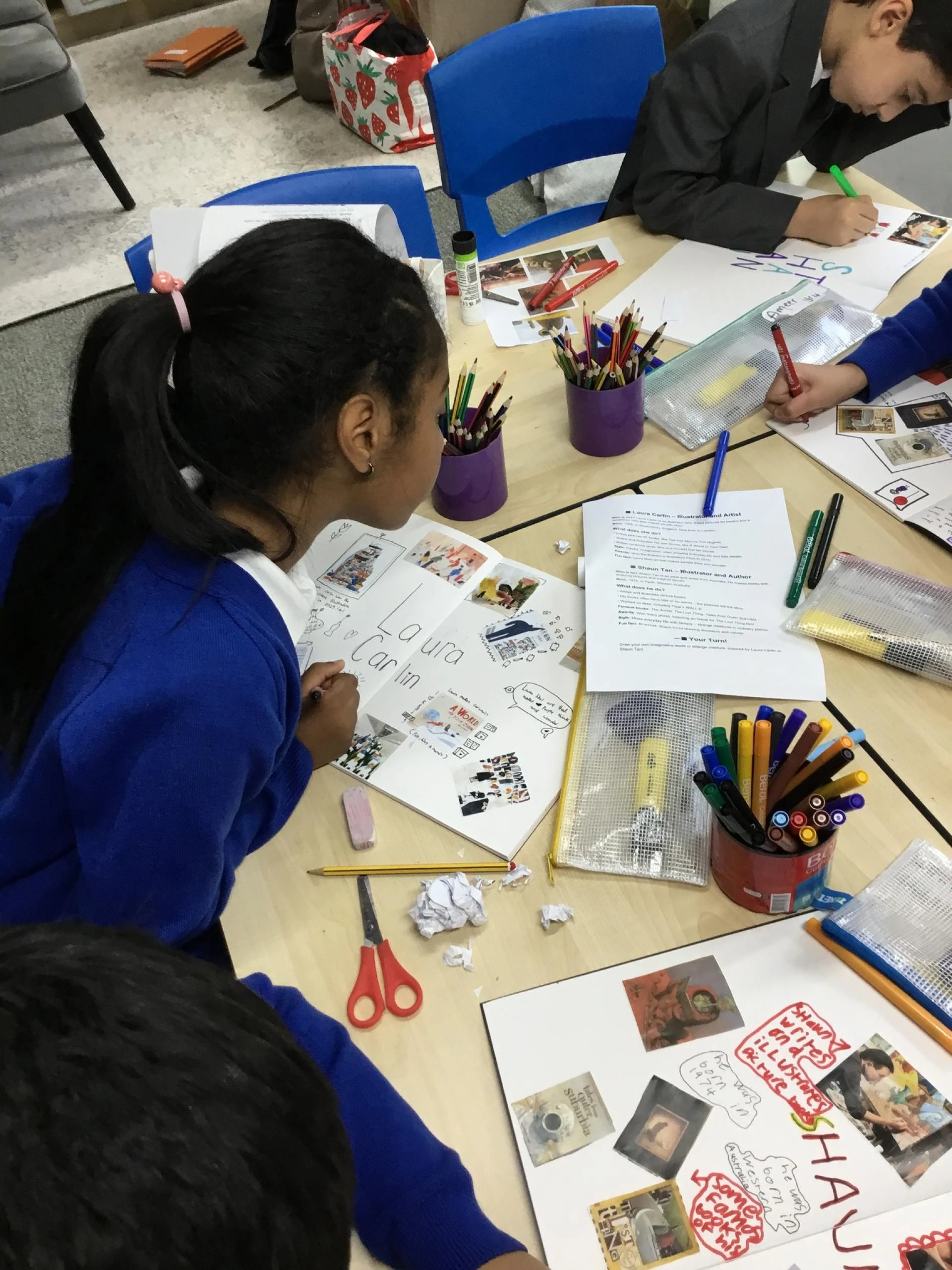
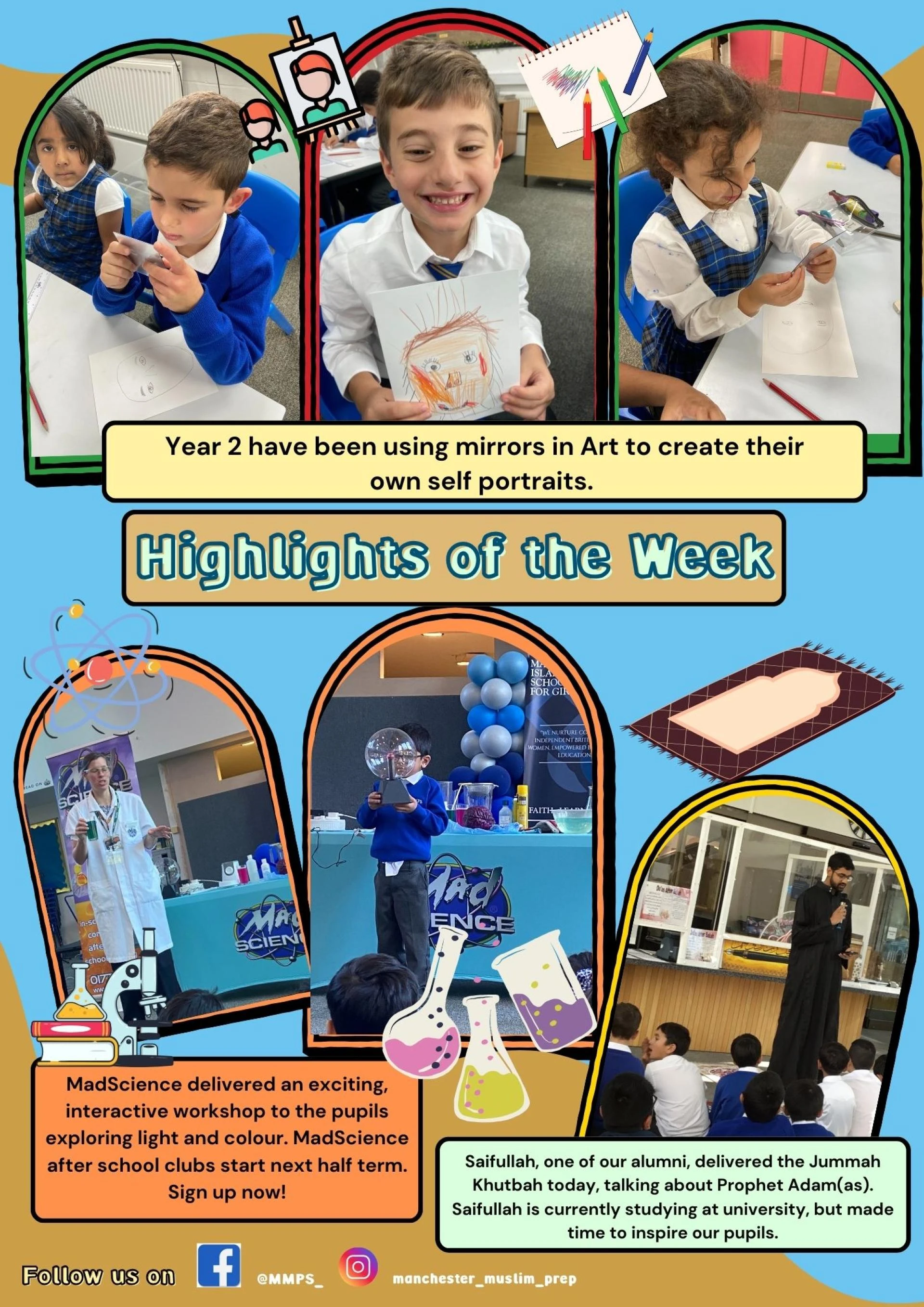
For school kids, learning extends beyond textbooks. Islamic schools often provide extracurricular opportunities such as sports, debates, art clubs, and community service. These activities allow children to explore their talents and develop leadership skills while staying grounded in their faith.
Parent-School Partnership
Islamic schools also maintain close ties with parents. Regular communication, school events, and parent-teacher meetings ensure that families are actively involved in their children’s education. This partnership strengthens the learning experience and provides kids with consistent guidance both at home and in school.
Conclusion
Islamic school kids benefit from a holistic education that nurtures their minds, bodies, and souls. By providing a safe environment, blending academics with Islamic values, and encouraging character development, these schools prepare children to become confident and responsible leaders of tomorrow. For parents seeking an education that balances both deen (faith) and dunya (worldly knowledge), Islamic schools offer an inspiring and trusted path.




























Sign in to leave a comment.