

A decade ago, many international students built their study-abroad plans around a single destination.
If the goal was overseas education, the United States often topped the list. Students focused on gaining admission to American universities and rarely considered multiple countries with equal seriousness.
That approach is disappearing.
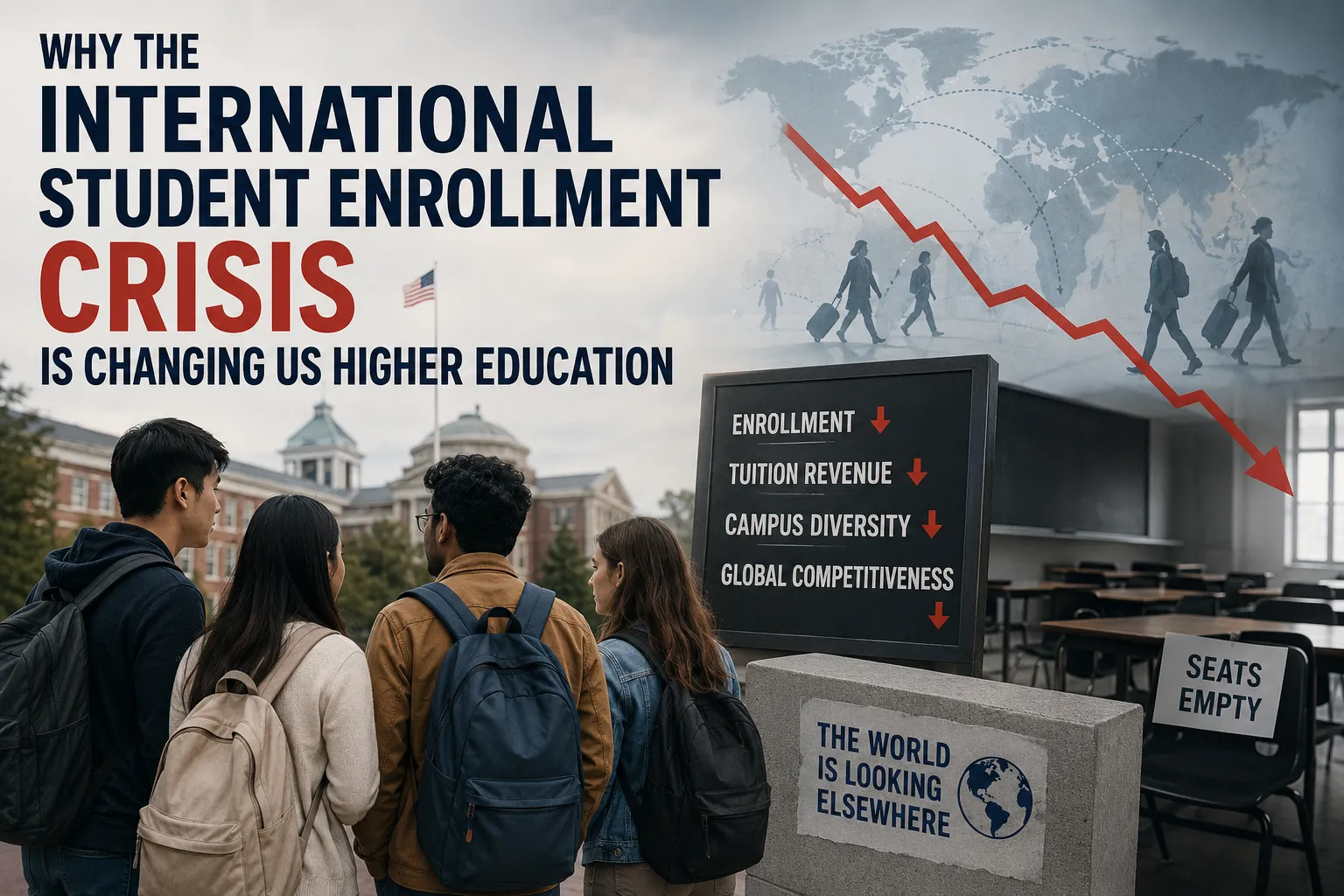
In 2026, Asian students are applying to more countries than ever before. They are creating parallel plans, comparing immigration systems, and evaluating destinations based on risk as well as opportunity. This shift is changing the global education market and forcing universities worldwide to compete for talent in new ways.
The One-Country Strategy No Longer Feels Safe
International education has always involved uncertainty.
Students leave home, adapt to a new culture, and invest significant amounts of money in their future. What has changed is the level of uncertainty surrounding immigration policies and post-graduation opportunities.
Many students now feel uncomfortable depending on a single destination. Instead of placing all their hopes on one country, they build multiple pathways.
A student applying to universities in the United States may also apply to institutions in Germany, Ireland, Singapore, or Japan. The goal is not to avoid America. The goal is to avoid unnecessary risk.
This mindset has become increasingly common among students who want flexibility in an unpredictable environment.
Students Are Thinking Like Investors
The modern study-abroad decision resembles an investment decision.
Investors rarely put all their money into a single asset. They diversify.
Students are doing something similar.
They compare costs, work rights, visa rules, employment prospects, and quality of life before deciding where to enroll. A country with slightly lower-ranked universities may become more attractive if it offers greater stability and a clearer pathway to employment after graduation.
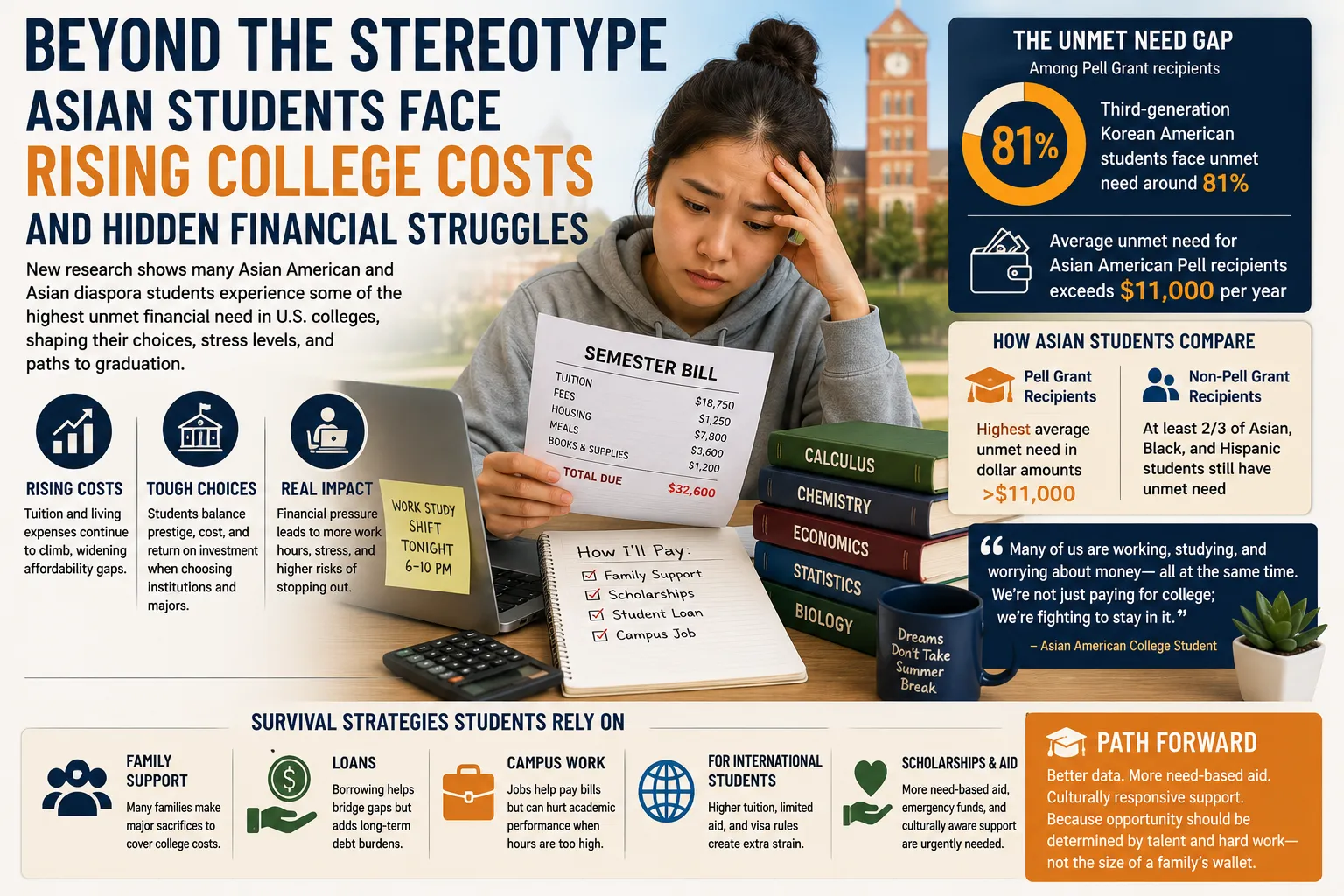
This is particularly important for families making major financial commitments. They want confidence that students will have realistic opportunities to recover their investment through future career growth.
The result is a much more analytical approach to choosing where to study.
The Competition for Students Is Becoming Global
The United States is no longer competing only with other American universities.
It is competing with entire countries.
European destinations have gained momentum because of transparent immigration systems and growing job markets. Germany, France, Ireland, and the Netherlands have all benefited from changing student preferences. At the same time, Asian education hubs such as Singapore, Japan, and South Korea continue to attract students seeking quality education closer to home.
These countries understand that attracting international students requires more than strong universities. Students want to know what their future might look like after graduation.
Countries that provide clear answers often gain an advantage.
The Students Who Keep Options Open Win
One of the most valuable skills in 2026 is adaptability.
Students who prepare for multiple outcomes are often better positioned than those who rely on a single plan. If visa delays occur, policies change, or economic conditions shift, they can pivot more easily.
This flexibility also applies academically.
Students with strong grades and well-developed skills can pursue opportunities across different countries and industries. That is why academic preparation remains one of the smartest investments a student can make.
Many learners use resources such as Expertsmind.com's tutoring network to strengthen challenging subjects, improve academic performance, and build the confidence needed to succeed in competitive international programs. Strong academic foundations provide options when circumstances change.
The Future Belongs to Flexible Students
The era of automatic study-abroad decisions is ending.
Students are no longer choosing destinations based purely on prestige or tradition. They are conducting detailed research, comparing multiple countries, and evaluating long-term outcomes before making a commitment.
This does not mean the United States has lost its importance. It remains one of the world's leading education destinations. What has changed is student behavior.
Asian students are becoming more strategic, more informed, and more willing to explore alternatives.
In many ways, that may be the defining education trend of 2026. The most successful students are not those with a single dream destination. They are the ones with a strong Plan A, a realistic Plan B, and the flexibility to adapt when the world changes.




























Sign in to leave a comment.