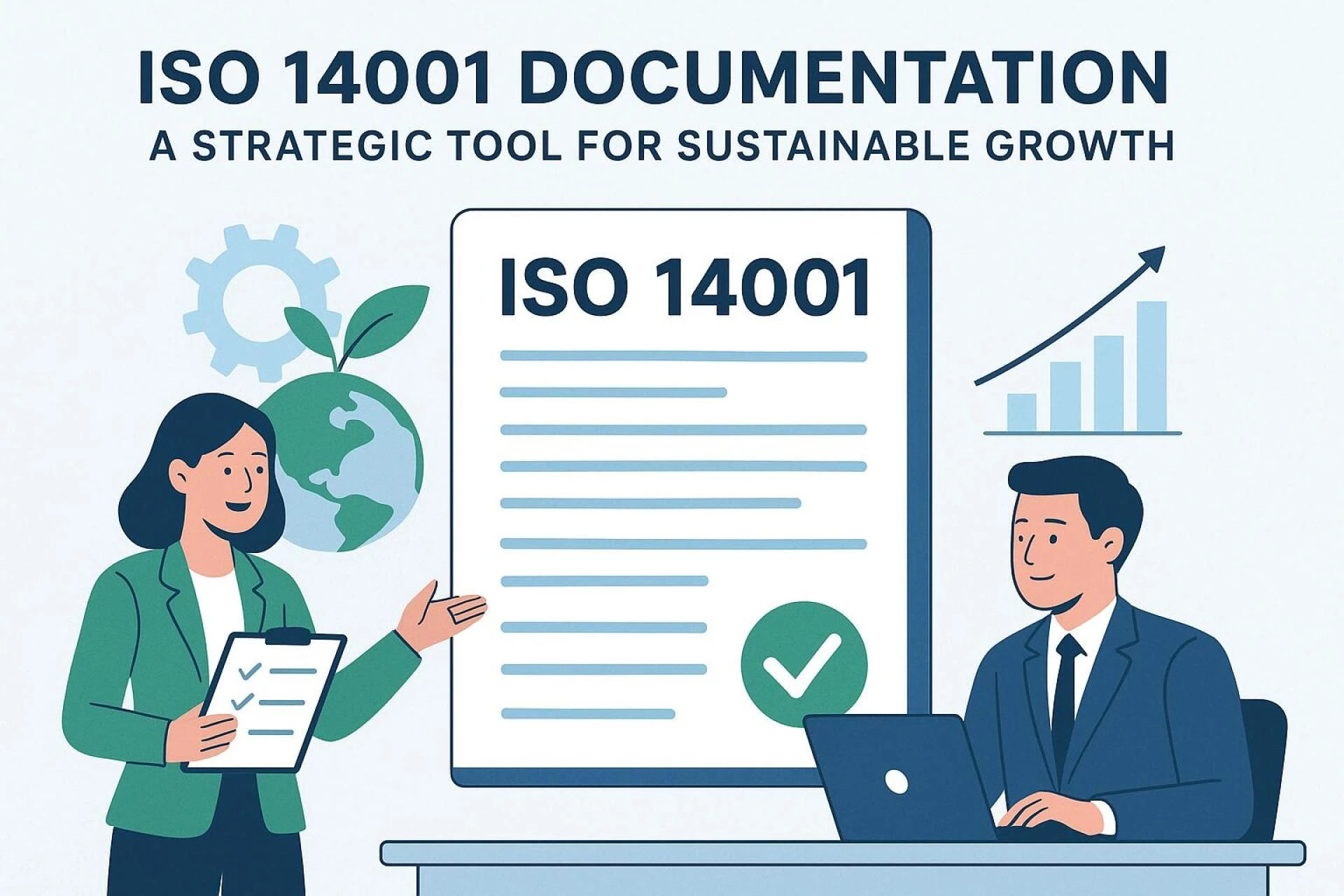

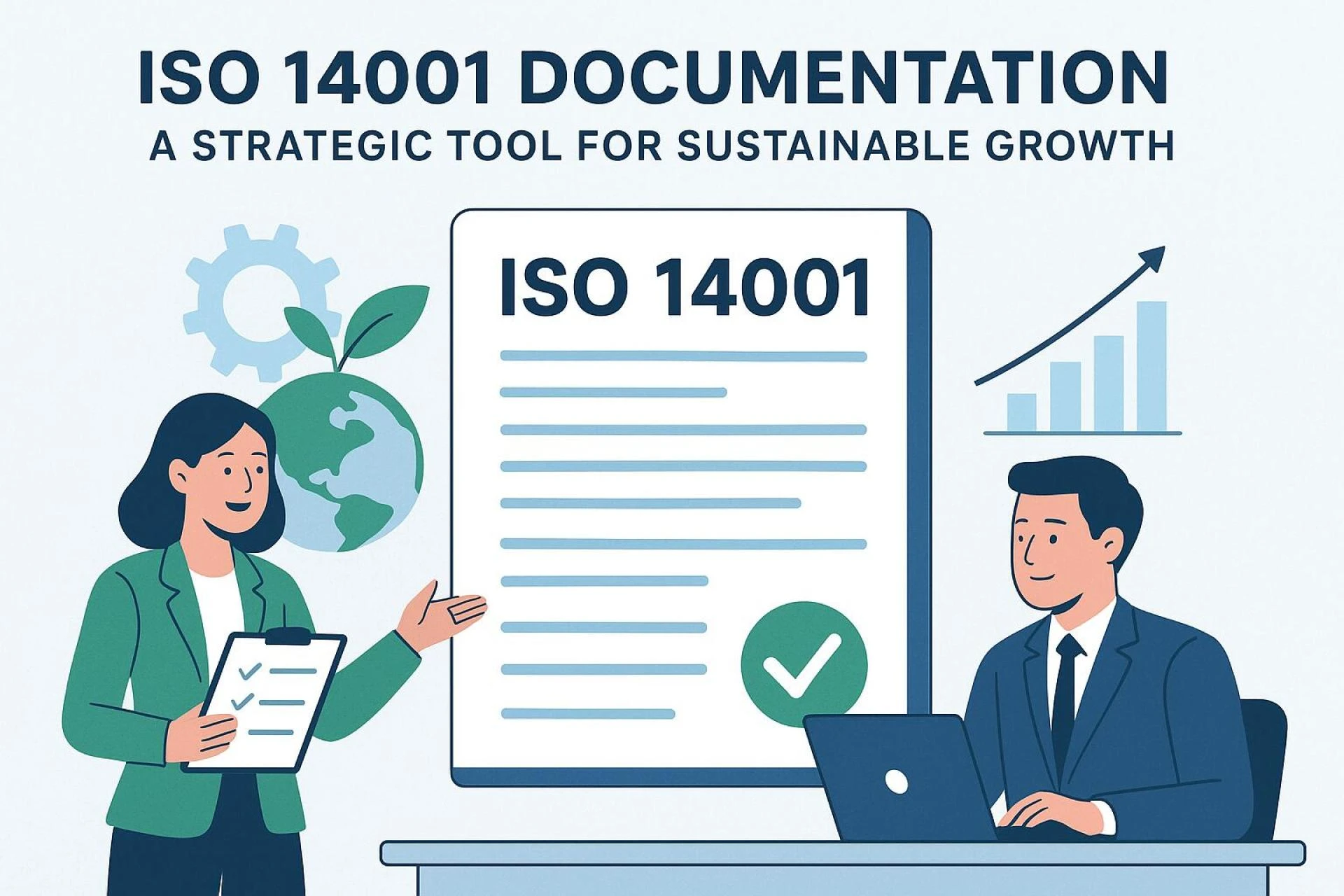
 In today’s competitive business environment, sustainability is no longer just an ethical choice—it’s a strategic necessity. Organizations across industries are under increasing pressure to minimize environmental impacts, comply with regulations, and demonstrate social responsibility. One of the most effective ways to achieve these objectives is through the implementation of an Environmental Management System (EMS) based on ISO 14001. At the heart of this system lies comprehensive and well-structured ISO 14001 documentation, which serves as both a compliance requirement and a powerful tool for sustainable growth.
Understanding ISO 14001 Documentation
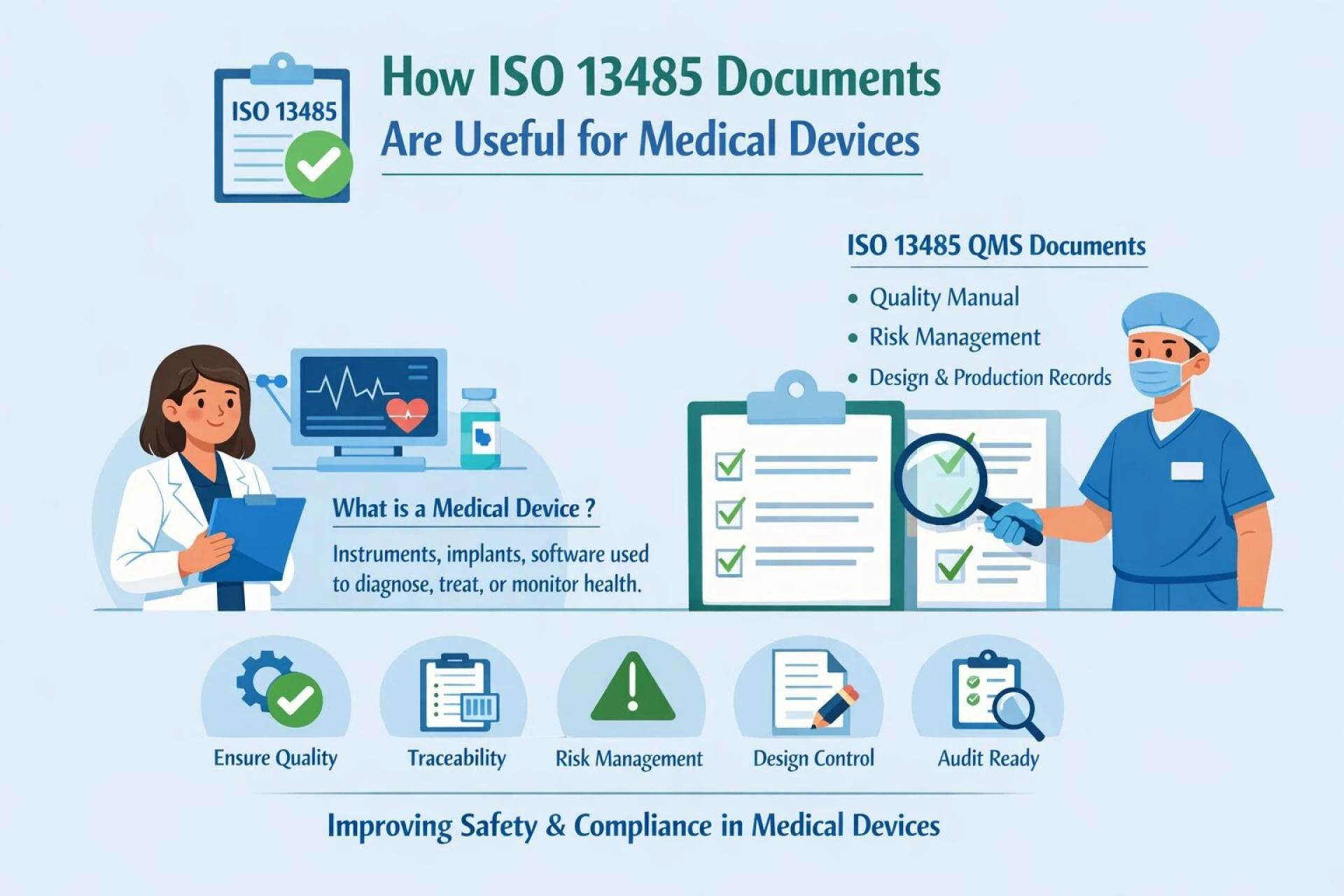
ISO 14001 documentation refers to the collection of policies, procedures, records, and manuals that define how an organization manages its environmental responsibilities. These documents form the backbone of an EMS, ensuring that environmental practices are not only planned but also implemented, monitored, and continually improved.
Key components of ISO 14001 documentation include:
- Environmental Policy – A statement of the organization’s commitment to sustainability.
- Environmental Aspects and Impacts Register – Identification and evaluation of activities that affect the environment.
- Objectives and Targets – Measurable environmental goals aligned with strategic direction.
- Operational Control Procedures – Defined methods to manage environmental risks and comply with regulations.
- Records and Evidence – Proof of performance, audits, and corrective actions.
Together, these documents provide a clear roadmap for achieving environmental objectives and maintaining compliance with ISO 14001 standards.
Documentation as a Sustainability Driver
ISO 14001 documentation does more than meet certification requirements—it drives sustainable growth by embedding environmental management into daily business operations. Each document plays a crucial role in promoting responsible resource use, reducing waste, and preventing pollution.
For example, a properly maintained environmental aspects register helps identify areas where energy or water consumption can be reduced. Operational procedures ensure that hazardous materials are handled safely, minimizing the risk of contamination or accidents. Performance monitoring records enable management to measure improvements, identify trends, and take data-driven decisions to enhance sustainability performance.
In essence, ISO 14001 documentation transforms sustainability from a reactive effort into a structured, proactive strategy.
Enhancing Business Efficiency and Compliance
One of the major advantages of ISO 14001 documentation is that it helps organizations achieve regulatory compliance more efficiently. Environmental laws and regulations are becoming increasingly complex, and non-compliance can lead to penalties, reputational damage, and loss of market trust. By maintaining accurate and updated documentation, organizations can demonstrate their adherence to legal and environmental requirements during audits or inspections.
Moreover, the systematic nature of ISO 14001 documentation promotes operational efficiency. Defined processes and responsibilities reduce confusion, minimize errors, and ensure consistency across departments. This not only lowers environmental risks but also leads to cost savings through improved resource management, waste reduction, and energy conservation.
Building a Culture of Environmental Accountability
ISO 14001 documentation also plays a critical role in fostering a culture of environmental accountability. When employees understand the documented procedures, policies, and objectives, they are more likely to take ownership of sustainability initiatives. Internal training and communication records further ensure that environmental responsibilities are clearly communicated and consistently applied.
Additionally, documented management reviews and audit reports encourage continuous improvement—a key principle of ISO 14001. Regularly reviewing documentation helps organizations identify opportunities for improvement, set new goals, and adapt to evolving environmental challenges.
Supporting Strategic Business Growth
Sustainability and profitability are not opposing goals. ISO 14001 documentation supports both by aligning environmental management with long-term business strategy. Organizations that effectively use ISO 14001 documentation gain a competitive edge through:
- Improved Brand Reputation: Demonstrating transparency and environmental responsibility attracts eco-conscious customers and investors.
- Market Expansion: Many global clients prefer or require suppliers with ISO 14001 certification.
- Operational Resilience: Efficient resource management reduces costs and protects against environmental risks.
By embedding sustainability into documented processes, organizations can achieve sustainable growth that benefits not only the business but also the planet.
Conclusion
ISO 14001 documentation is far more than a set of compliance papers—it is a strategic tool that connects environmental stewardship with business success. Through clear, organized, and effective documentation, companies can enhance environmental performance, ensure compliance, empower employees, and build long-term sustainability into their core strategy.
In an era where environmental responsibility defines corporate leadership, well-maintained ISO 14001 documentation stands as a catalyst for sustainable growth and enduring success.



























Sign in to leave a comment.