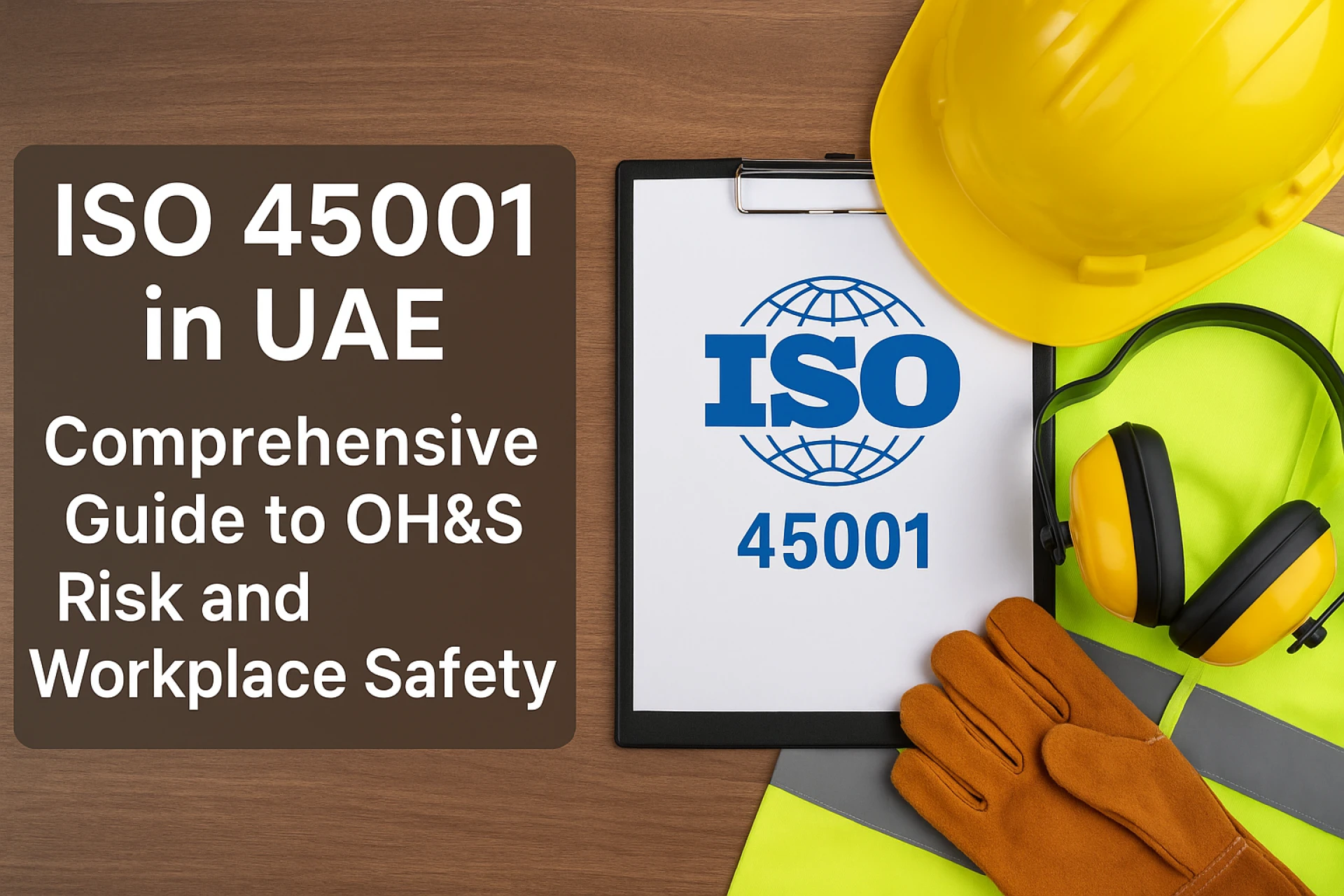

Occupational health and safety (OHS) represents the health and well-being of employees in their workplace and ensures the safety, health, and well-being of the working environment. An essential aspect of OHS management is the understanding of risks and managing them, promoting a safety culture for workers, designing safe work environments, and identifying hazards before they cause an incident.
Preventing injuries, illnesses, and fatalities through appropriate safety measures is a shared responsibility of employers and employees.
Topics covered in this article on Occupational Health and Safety (OHS) are risk assessments, worker responsibilities, workplace safety considerations, hazard identification, and a complete guide to ensuring workplace safety.
1. Risk in Occupational Health and Safety
Definition of Risk in OHSMS
Risk in Dubai, in the context of an Occupational Health and Safety Management System (OHSMS), is the combination of the likelihood of an occurrence of a hazardous event and the consequence of that event.
It includes the assessment of potential hazards that workers may come across and whether they have a major impact on health and safety. Proactive risk management prevents occupational injuries, illnesses, and fatalities.
Risk Assessment Process
A systematic risk assessment process is key to recognizing workplace hazards and controlling them. It includes:
- Identification: Identifying potential hazards that have the potential to harm.
- Evaluation: The likelihood and severity of harm occurring.
- Control: The application of risk prevention measures.
All risk assessments should be recorded, preferably made every six months or when implementing new equipment or systems, to comply with employment health and safety regulations.
Risk Mitigation Strategies
The hierarchy of controls for organizations to reduce risks includes:
- Elimination: Removing the hazard completely (e.g., eliminating a hazardous process).
- Substitution: Replacing a hazardous material or process with a less dangerous or negative alternative.
- Engineering Controls: Making physical changes (e.g., machine guards, ventilation systems).
- Administrative Controls: Consists of procedures, policies, and training to limit exposure.
- Use Personal Protective Equipment (PPE): Items of last resort (helmets, gloves, masks).
The Need for Risk Management as per Legal & Regulatory Requirements
Occupational safety laws are imposed by governments and regulatory bodies, which employers must adhere to. Examples include:
- Occupational Safety and Health Administration (OSHA) rules in the U.S.
- Hear from the Health and Safety Executive (HSE) in the UK
- International Standards such as ISO 45001 in UAE
By following these guidelines, you are assuring workers’ safety at the workplace and lowering the risk of legal responsibilities for employers.
2. The Worker and Occupational Health and Safety
Rights and Responsibilities of Workers
That is why workers are key to workplace safety. Their rights include
- The right to a safe and healthy work environment.
- Training on how to identify the hazards and what safe work practices are.
- The right to disclose unsafe conditions without victimization.
They are responsible for:
- Be acquainted with safety policies and procedures.
- Reporting hazards and unsafe practices
- Correct use of PPE (when it is needed)
Worker Involvement in Hazard Reporting and Safety Programs
The issue of safety in a workplace is greatly increased by active participation from the workers. Encourage your employees to do the following:
- Report hazards and near-misses in real time.
- Join safety meetings and committees.
- Take part in conversations on better working conditions.
Fewer accidents and better compliance rates are seen in organizations with worker involvement in safety programs.
Training and Competency Requirements
Training in Abu Dhabi helps workers understand hazards and how to control them. This includes:
- Safety education for all workers and general.
- Roles and risk-based.
- Periodic refresher courses to reinforce knowledge.
Workplace safety, cultural improvement, and human error reduction can occur with proper training.
Workplace Safety Culture and Its Impact
A good safety culture creates higher compliance and reduced incidents. Employers can create a strong safety culture by:
- Exhibiting a visible management commitment to safety.
- Fostering openness about risks.
- We recognize and reward safe behaviors.
3. Workplace and Safety Considerations
Design and Ergonomics at the Workplace
A thoughtfully designed workplace helps alleviate physical stress and injuries. Ergonomics: ergonomics includes:
- Ergonomic furniture to avoid repetitive strain injuries.
- If you need to sit, set up posture-assisting furniture.
- Diminishing extra boisterousness and upgrading lighting conditions.
Principles of a Safe Work Environment
Select safety principles to create a safer workplace:
- Ventilation: Proper air circulation eliminates the risk of exposure to toxic fumes and other dangerous contaminants.
- Lighting: Good lighting takes eye strain away and enhances visibility.
- Emergency Exits: Marked and accessible exit routes that allow quick evacuation in case of emergencies.
Safety Procedures for High-Risk Industries
Specialized safety protocols come into play for industries like construction, manufacturing, and healthcare, including:
- Construction: Fall protection, inspections of the job site, including equipment safety measures.
- Manufacturing: Machine guarding, lockout/tag out procedures, and fire safety precautions.
- Healthcare: Infection control, biohazard safe handling, patient handling safety.
Employers' Responsibility for Workplace Safety
Series: Employers must establish and enforce safety protocols to keep employees safe. This includes:
- Implementing and enforcing protocols for routine audits and inspections.
- Providing PPE and implementing its use.
- Ensuring adherence to local and global safety regulations.
4. Hazard Identification in OHSMS
Hazard and Its Forms: Definition
Hazard: a source with the potential to cause harm. Common types include:
- Physical Hazards: Machinery, noise, radiation, and temperature.
- Chemical Hazards: Toxic materials, gases, and fuels.
- Types of Biological Hazards: Bacteria, viruses, mold, and allergens.
- Ergonomic Hazards: You know, bad workstation design, repetitive motion, lifting heavy loads.
- Psychosocial Hazards: Work-related stress, surrogate, and long work hours.
Hazard Identification Methods
Some effective methods of hazard identification are:
- Inspection Workplace: Periodic safety hazard inspections.
- Safety Audits: Audit of the compliance of safety regulations and safety audits
- Incident Reporting: Learning from past accidents to avoid their recurrence.
- Worker Feedback: Empowering workers to report hazards.
What Is The Difference Between Proactive And Reactive Hazard Identification?
- Proactive Identification: Promise to prevent accidents before they happen via risk assessments and inspections.
- Reactive Identification: Identifying incidents post-fact to enable remedial action.
Organizations should take a proactive approach to avoid compromising the workplace.
Take Control Measures and Trace on a Continuous Basis
Hazard control measures are monitored for effectiveness. Steps include:
- Ongoing reviews and updates to risk assessments.
- Taking action through the safety audit.
- Encouraging employee involvement in safety programs.
The foundation of a robust OHSMS lies in effective risk assessment, employee involvement, safety considerations at work, and proactive hazard identification.
These safety tips will help organizations safeguard their employees, meet legal standards, and maintain a secure workplace.
Focus on Occupational Health and Safety results in reduced experience of workplace accidents, optimized employee health and morale, and greater productivity.
Conclusion
ISO 45001 in UAE details the importance of managing risk, protecting workers, enhancing the work environment, and recognizing occupational health and safety hazards.
The standard sets up a proactive safety management system, tracking and preventing incidents, improving overall workplace safety, and ensuring compliance with legal standards.
ISO 45001 Certification provides a structured, systematic approach to assess and mitigate risks, increasing worker involvement in health and safety behavior because it supports a culture of health and safety that enhances the well-being of the worker and the employer.



























Sign in to leave a comment.