

Table of Contents
- Introduction:
- Understanding ISO/IEC 27001
- Building a Strong Information Security Management System (ISMS)
- Strengthening Cyber Resilience
- Compliance and Business Advantage
- Continuous Improvement for Operational Excellence
- Preparing for ISO 27001 Certification
- Ending Note/CTA
In today’s data-driven landscape, organizations face increasing threats from cyber-attacks, system failures, and data breaches. Following the ISO27001 requirements helps businesses protect critical information and ensure operational stability. This internationally recognized standard guides companies to build a structured Information Security Management System (ISMS), creating a framework to prevent, detect, and respond to cyber risks effectively. Leveraging the expertise of ISO27001 experts enables businesses to safeguard sensitive data, maintain compliance, and strengthen operational resilience. Businesses of all sizes, from small firms to large enterprises, now rely heavily on digital systems. Customer records, financial data, and strategic plans are all stored electronically. This makes information security not just a technical requirement but a strategic priority. A single data breach can disrupt operations, damage reputation, and result in financial penalties. ISO 27001 helps organizations manage these risks systematically, providing clear guidelines to prevent, monitor, and respond to threats.
Understanding ISO/IEC 27001
ISO/IEC 27001 is the global standard for managing information security risks. It defines the requirements for establishing, implementing, maintaining, and improving an ISMS. Organizations conforming to this standard demonstrate that they proactively protect the confidentiality, integrity, and availability of data. The certification signals to clients, employees, and stakeholders that the organization is serious about safeguarding information.
The ISO 27001 framework is applicable across industries, from healthcare and finance to defense and manufacturing. Companies of all sizes can benefit from its structured approach to risk assessment, policy development, and security controls. By following this standard, businesses reduce vulnerability to data breaches, regulatory fines, and reputational damage.
An ISMS aligned with ISO 27001 also helps in building trust with clients and partners. It provides objective evidence that systems are monitored and managed consistently. This is especially important for organizations handling sensitive or regulated information, such as financial institutions, technology providers, and healthcare organizations.
Building a Strong ISMS
A robust ISMS begins with understanding organizational needs and identifying internal and external factors affecting information security. This includes defining the scope of the ISMS, pinpointing assets and processes that require protection, and understanding the expectations of stakeholders.
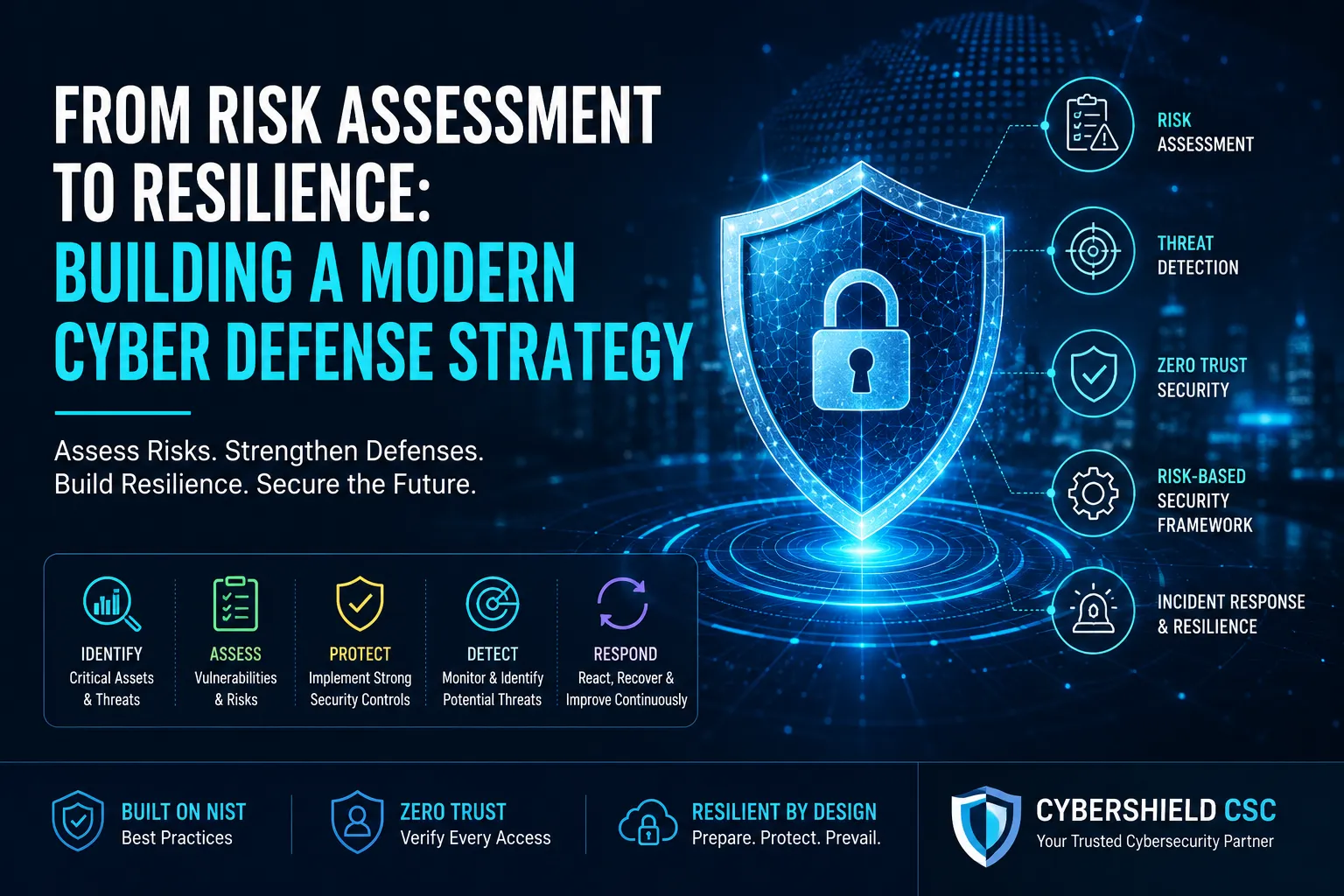
Once the scope is defined, organizations perform a comprehensive risk assessment. This involves identifying potential threats, evaluating their impact, and prioritizing areas for attention. Risk treatment plans are then developed, specifying measures to prevent or reduce the identified risks. These measures may include access restrictions, data encryption, system monitoring, and incident response procedures.
Policies, procedures, and controls are then implemented across the organization. They cover everything from user access and password management to business continuity plans and disaster recovery strategies. These measures ensure that critical information is protected at all times and that operations continue smoothly in case of incidents.
Employee training is a key component of ISMS implementation. All staff must understand security policies, recognize potential risks, and follow best practices. Regular training ensures that employees remain aware of evolving threats, including phishing attacks, malware, and insider risks. By embedding a security-aware culture, organizations reduce human-related vulnerabilities that are often exploited in cyberattacks.
Continuous monitoring, internal audits, and management reviews ensure that the ISMS adapts to changes in the threat landscape. Organizations can detect weaknesses, correct errors, and implement improvements before incidents occur. This proactive approach makes the ISMS a living system rather than a static set of documents.
Strengthening Cyber Resilience
Implementing ISO 27001 strengthens an organization’s cyber resilience by providing a systematic approach to managing risks. This includes:
- Preventing Unauthorized Access: Ensuring only authorized personnel can access sensitive information, reducing the risk of breaches.
- Protecting Data Integrity: Maintaining accurate and consistent data by preventing unauthorized changes.
- Maintaining Availability: Making sure critical information is accessible to authorized users when needed, reducing downtime and operational disruption.
By following these principles, organizations are better prepared to handle cyber incidents efficiently. ISO 27001 also integrates seamlessly with other management systems, such as ISO 9001 for quality management, providing a comprehensive approach to operational excellence.
Strengthening cyber resilience also involves maintaining up-to-date technology. Regular software updates, system patches, and secure configurations are essential. Coupled with ISO 27001 controls, these measures create layers of protection that make cyber-attacks more difficult to succeed.
Compliance and Business Advantage
Beyond risk mitigation, ISO 27001 compliance offers tangible business benefits. Certification signals to clients, regulators, and partners that the organization takes information security seriously. Many industries now require vendors and contractors to hold ISO 27001 certification to ensure compliance with legal and contractual obligations.
ISO 27001 certification enhances credibility, strengthens client relationships, and can influence procurement decisions. It also provides international recognition, allowing organizations to operate across borders more easily. The standard’s acceptance worldwide reduces the need for repeated audits and helps facilitate trade, partnerships, and collaborations.
Furthermore, ISO 27001 creates a competitive advantage in sectors where data security is critical. Organizations that demonstrate secure practices are better positioned to attract clients, secure contracts, and participate in high-value projects. This makes the investment in certification not just a compliance measure but a strategic business decision.
Continuous Improvement for Operational Excellence
ISO 27001 emphasizes ongoing improvement. Regular internal audits, corrective actions, and management reviews ensure that the ISMS remains effective and aligned with emerging risks. Organizations can track incidents, evaluate control effectiveness, and implement enhancements systematically.
This continuous improvement cycle strengthens both security and operational performance. Organizations gain insights into vulnerabilities, refine processes, and ensure that employees remain aware of security protocols. Over time, this approach reduces operational disruptions, mitigates potential losses, and fosters a culture of accountability.
By monitoring trends and analyzing incidents, organizations can proactively identify areas for improvement. Continuous learning from both successes and failures ensures the ISMS remains relevant and effective.
Preparing for Certification
Achieving ISO 27001 certification requires planning and meticulous execution. Organizations must document their ISMS, implement risk-based controls, and demonstrate adherence to the standard. Internal audits and gap analyses are performed to identify nonconformities before the certification audit.
Working with ISO27001 experts ensures the process is streamlined and efficient. Experts help identify gaps, guide policy development, train staff, and prepare for audits. Their experience reduces errors, accelerates readiness, and increases the likelihood of successful certification.
A certified ISMS demonstrates operational reliability and security commitment to clients, partners, and regulatory authorities. It also helps organizations remain compliant with laws regarding data privacy and information protection.
Ending Note:
Cybersecurity is no longer optional for organizations managing digital information. ISO 27001 provides a structured, internationally recognized approach to protecting data, reducing risks, and ensuring operational continuity. By engaging ISO27001 consulting, businesses gain access to specialized strategies and guidance that strengthen security, enhance compliance, and build stakeholder trust. Organizations that adopt ISO 27001 benefit from robust risk management, improved resilience, and operational efficiency. Investing in this certification demonstrates a proactive approach to protecting critical information, securing operations, and fostering long-term success.
Protect your organization’s data and operations today. Consult ISO 27001 experts to implement a reliable ISMS and minimize cyber risks effectively.






















Sign in to leave a comment.