

Traveling from the Pink City of Jaipur to the rugged wilderness of Ranthambore is among Rajasthan's most iconic journeys. The trip transitions from royal palaces and busy bazaars to dry deciduous forests where the Royal Bengal tiger roams free. Covering roughly 160 to 180 kilometers, the road trip takes about 3.5 to 4 hours by car or private taxi. Whether you seek a weekend retreat or an extended wildlife holiday, having a clear itinerary helps you maximize both your travel time and your sightseeing stops along the route.
Planning Your Road Trip: Routes and Travel Duration
The most popular driving route from Jaipur runs via the Tonk road network and NH552 toward Sawai Madhopur. The highways are well-maintained, lined with roadside dhabas serving hot masala chai, kachoris, and authentic Rajasthani fare. An alternative path takes travelers through Dausa and Lalsot, which connects smoothly if your journey begins closer to the eastern fringes of Jaipur or the Jaipur International Airport.
Starting early in the morning—ideally by 6:00 AM—allows you to bypass city traffic and arrive in Sawai Madhopur just in time for lunch and check-in. The cooler months between October and March offer pleasant daytime driving conditions, while April through June brings warmer weather that increases tiger movement around watering holes.
Scenic and Cultural En-Route Attractions
Turning your transfer into a relaxed sightseeing excursion adds depth to your holiday. Several heritage landmarks and pastoral views punctuate the journey.
- Tonk Historical Architecture: Known as the "Nawab City," Tonk sits along the main highway route. Travelers interested in heritage can take a brief detour to explore Sunehri Kothal (Mansion of Gold), famous for its intricate enamel work, stained glass, and gilded ceilings.
- Rural Countryside and Mustard Fields: During winter, the drive through the countryside treats visitors to vibrant yellow mustard blooms and rural hamlets. It provides a serene glimpse into local agrarian life outside the major urban centers.
- Chauth Mata Temple in Chauth Ka Barwara: Located near Sawai Madhopur, this hilltop shrine dates back several centuries. Perched atop a hill with stone staircases, it provides panoramic views of the surrounding Aravalli and Vindhya ranges.
Arrival and Top Sights in Ranthambore
Upon reaching Sawai Madhopur, the landscape changes dramatically, dominated by rocky ridges and dense dhok tree forest.
- Ranthambore Fort: Standing majestically inside the reserve boundaries, this 10th-century UNESCO World Heritage site offers sprawling views of the core wilderness below. Walking through its massive gates reveals ancient barracks, step-wells, and cenotaphs where langurs gather.
- Trinetra Ganesh Temple: Situated within Ranthambore Fort, this rare three-eyed Ganesh shrine is one of the most revered pilgrimage destinations in western India. Devotees send wedding invitations and letters here from around the globe seeking blessings.
- Padam Talao and Jogi Mahal: As the largest lake inside the reserve, Padam Talao is bordered by water lilies, chital deer, and marsh crocodiles. At its edge rests Jogi Mahal, a historic royal hunting lodge shaded by one of India's largest banyan trees.
- Rajiv Gandhi Regional Museum of Natural History: Located in Sawai Madhopur, this modern museum showcases the flora, fauna, and geology of western India, serving as an educational stop before heading into the jungle.
Experiencing the Jungle Safaris
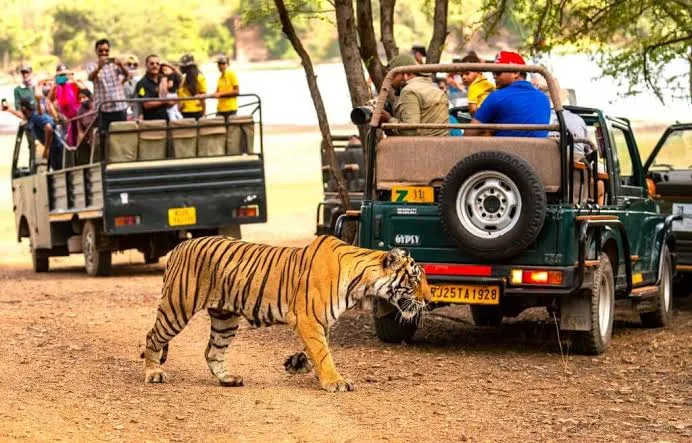
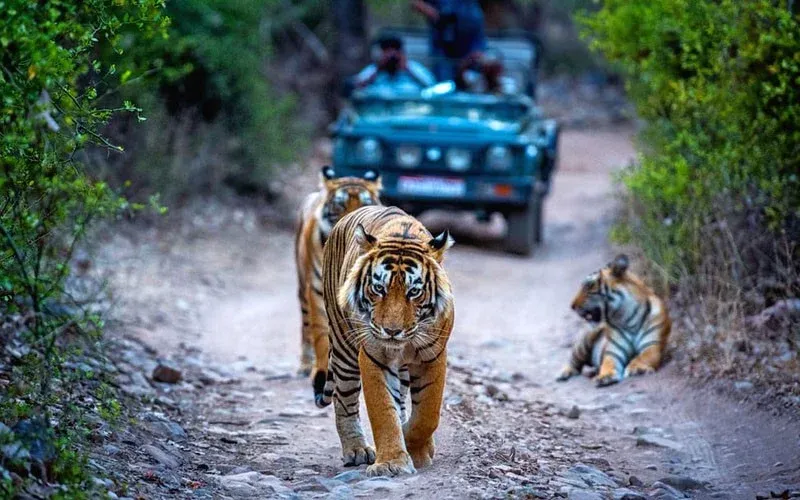
The core highlight of any Ranthambore visit is exploring the reserve's ten designated safari zones. The park operates both morning and afternoon shifts, managed strictly under the guidelines of the Rajasthan Forest Department.
For photographers and wildlife enthusiasts who want agility and prime vantage points along narrow tracks, booking a Jeep safari in Ranthambore provides an immersive way to track tiger pugmarks and spot diverse wildlife like leopards, sloth bears, and sambar deer. Each vehicle is accompanied by an authorized forest guide who shares insights on animal territorial behavior and jungle alarm calls.
Where to Stay and Unwind
After hours of travel and dusty safari trails, relaxing in a comfortable environment surrounded by nature completes the journey. Choosing a quality resort in Ranthambore ensures you remain situated close to the park entrance gates while enjoying tranquil gardens, authentic local cuisine, and evening folk entertainment.
If you are traveling as a duo seeking a seamless, pre-planned holiday that combines heritage accommodation, jungle expeditions, and intimate dining, the Ranthanbore 2N 3D Couple Package covers all the essentials without the stress of independent booking.
Practical Travel Tips for Visitors
- Book forest safaris well in advance, as vehicle quotas per zone are strictly capped each day.
- Carry original government-issued photo identification matching the details on your safari permits.
- Dress in muted earth tones such as olive, beige, or khaki to blend into the wilderness during game drives.
- Bring warm layers if visiting between November and February, as early morning open-vehicle drives can be quite chilly.



















Sign in to leave a comment.