
Winter transforms the dry deciduous forests of Ranthambore National Park into an inviting wilderness. As the blistering heat of the Rajasthani summer fades, the period from October through March brings crisp mornings, pleasant afternoons, and optimal conditions for tracking wildlife. For travelers seeking an authentic safari holiday, understanding the seasonal rhythm of this historic tiger landscape is the key to planning an unforgettable trip.
Pleasant Weather and Comfortable Safari Drives
A major challenge of visiting central and western India during peak summer is the intense heat, where temperatures easily exceed 40°C (104°F). During the winter months, however, daytime temperatures average between 15°C and 25°C. Open-top safari vehicles, whether a 6-seater Gypsy or a 20-seater Canter, become a delight rather than an endurance test.
Morning drives start with a brisk chill that requires a fleece jacket and scarf, while the afternoon sun provides gentle warmth. This comfortable climate enables visitors to spend hours in the park absorbing the sights and sounds of the jungle without heat exhaustion. Returning from a crisp morning drive to warm hospitality is an essential part of the experience, which is why choosing the right resorts in Ranthambore matters for travelers who want restful surroundings between trackings.
Peak Wildlife Activity and Basking Tigers
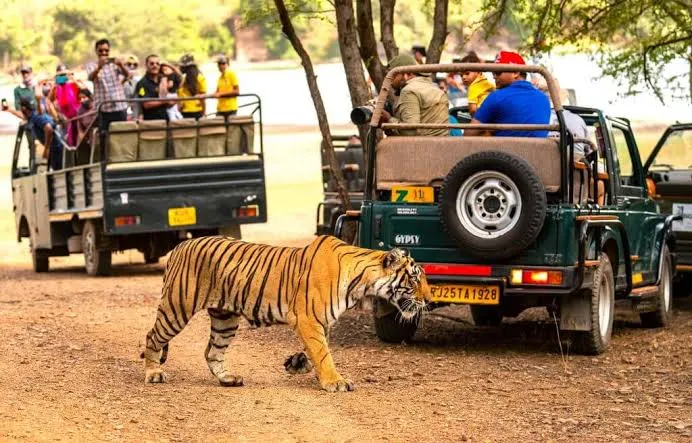
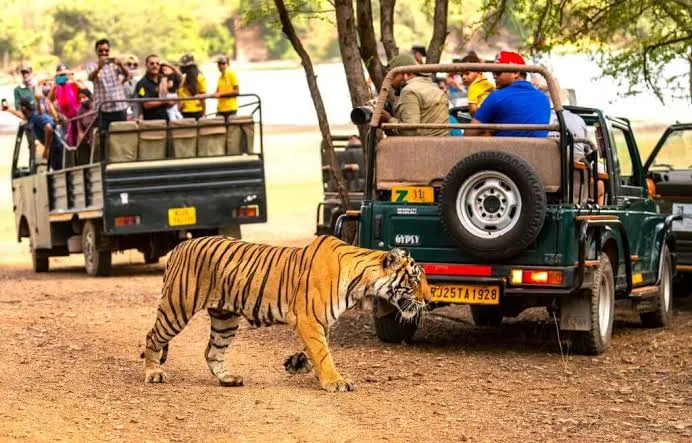
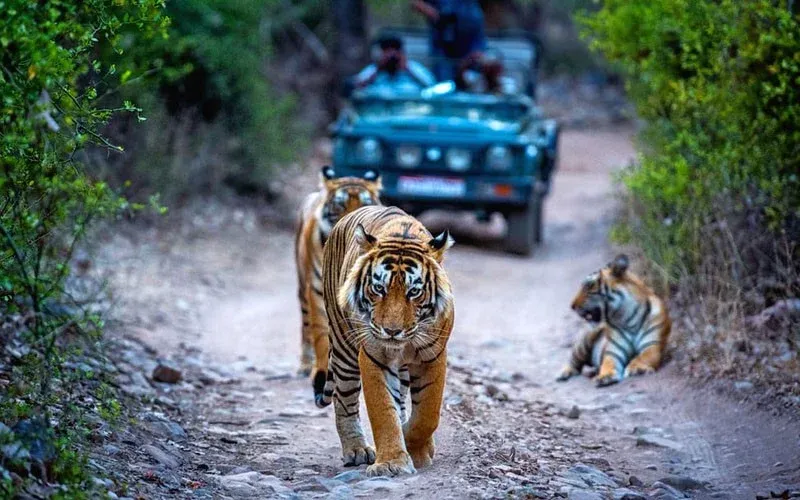
Royal Bengal Tigers are cold-blooded thermoregulators by habit; during freezing mornings, they regularly seek out open forest clearings, fire lines, and sandstone ruins to soak up early sunlight. Winter safaris frequently reward patient visitors with sightings of tigers lounging along vehicle tracks, sunning themselves on the banks of Padam Talao, or resting near Raj Bagh Lake.
Beyond big cats, winter creates active conditions for diverse wildlife:
- Herds of chital (spotted deer) and sambar graze openly in the meadows during the day.
- Sloth bears forage along termite mounds and fruiting trees during afternoon hours.
- Marsh crocodiles emerge from water bodies to bask along the sandy banks of Malik Talao.
- Langurs stay vocal and alert, offering reliable alarm calls that assist experienced naturalists in locating predators.
Because the animals are not confined to deep shade or isolated waterholes during daytime, safari drives often yield prolonged, high-quality photographic opportunities.
A Paradise for Winter Birdwatching
Ranthambore sits along significant migratory flyways, and winter sees its wetlands swell with avian life arriving from Central Asia and Europe. The combination of ancient water reservoirs and thick riparian zones attracts ornithologists and keen photographers from across the world.
Visitors can observe an array of species across the core and buffer wetlands:
- Migratory waterfowl such as pintails, bar-headed geese, and shovellers gliding across the lakes.
- Striking raptors including the crested serpent eagle, changeful hawk-eagle, and wintering steppe eagles patrolling the tree line.
- Forest birds like the Indian grey hornbill, white-throated kingfisher, and painted spurfowl moving through the canopy.
Guides and naturalists recommend early morning drives near the main water bodies for bird enthusiasts wanting to capture birds in crisp early light.
Exploring Ranthambore Fort and Cultural Heritage
A winter trip offers the stamina required to climb and explore the historic 10th-century Ranthambore Fort, perched high on a cliff overlooking the entire sanctuary. Under the hot summer sun, trekking up the stone ramparts can be strenuous. In winter, the gentle breeze makes exploring this UNESCO World Heritage Site enjoyable.
From the top of the fort, visitors can visit the renowned Trinetra Ganesha Temple, admire ancient stepwells, and look down at wild sambar deer wading through Padam Talao below. The blend of wildlife conservation and Rajput history is unmatched, making historical excursions a natural companion to wilderness drives.
Tailoring the Ideal Winter Itinerary
Because winter represents peak travel season for Rajasthan, safaris and park permits are limited by strict conservation quotas. Booking vehicles and safari permits months ahead is essential to secure preferred zones across the park's ten designated routes.
Travelers often find that comprehensive Ranthambore tour packages remove the friction of aligning zone permits, certified safari guides, and comfortable transfers. If you have limited vacation time, a curated 2-Day Journey in Ranthambore gives you enough window to take three distinct safaris, visit the fort, and experience the cultural warmth of Sawai Madhopur without feeling rushed.
Responsible Safari Practices in Cold Weather
Making the most of winter in the wild requires thoughtful preparation. Dressing in layers allows you to adapt as temperatures shift from 8°C at dawn to 24°C by midday. Neutral-colored clothing in khaki, olive green, and brown helps safari groups blend into the forest without distracting the wildlife.
Respecting park etiquette remains vital throughout the season. Maintaining silence at predator sightings, avoiding the use of camera flashes, and adhering strictly to designated tracks ensures that Ranthambore’s fragile ecosystem remains protected for generations to come. Winter combines ideal climate, thriving biodiversity, and historic majesty, making it the definitive season to explore this legendary tiger habitat.























Sign in to leave a comment.