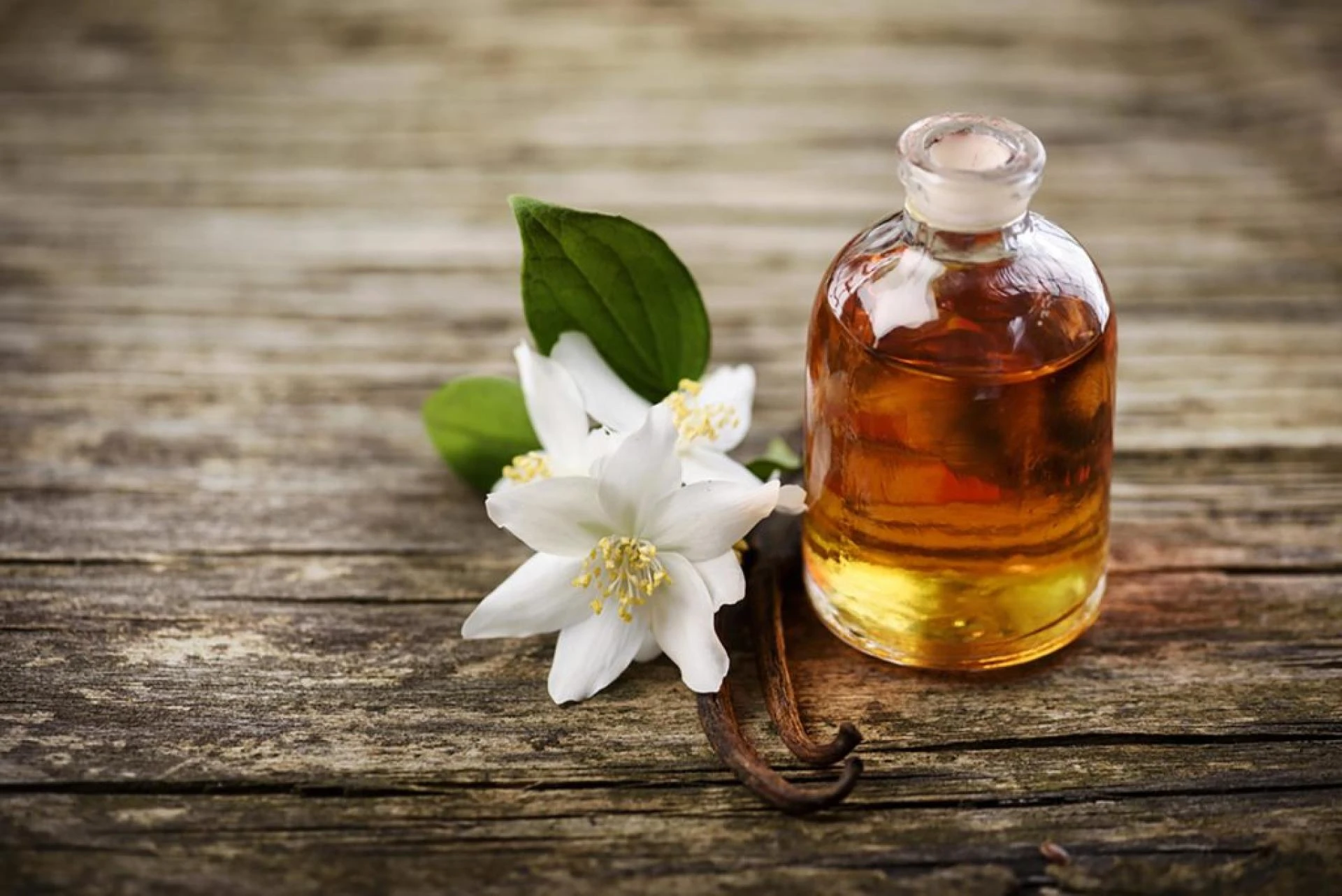

Jasmine oil, renowned for its captivating fragrance and therapeutic properties, is a precious and sought-after essential oil derived from the blossoms of the jasmine flower. Jasmine, scientifically known as Jasminum officinale, is a plant native to tropical and subtropical regions, with origins in the Middle East and parts of Asia. The oil extraction process involves a delicate and labor-intensive procedure, contributing to its high value in both perfumery and aromatherapy. In this comprehensive article, we will explore the history, production, uses, benefits, and potential side effects of jasmine oil.
Historical Background:
Jasmine has a rich historical significance dating back thousands of years. It has been used in traditional medicine, religious rituals, and various cultural practices. The word "jasmine" is derived from the Persian word "yasmin," which translates to "gift from God." The ancient Egyptians used jasmine for embalming ceremonies, while the Greeks and Romans adorned their temples with jasmine flowers to honor their gods. In India, jasmine has been an integral part of Ayurvedic medicine for its therapeutic properties and is often referred to as the "Queen of the Night" due to its intense fragrance during the evening.
Production of Jasmine Oil:
The process of extracting jasmine oil is meticulous and time-consuming, requiring a significant amount of jasmine flowers to produce a small quantity of the oil. There are two primary methods for extracting jasmine oil: enfleurage and solvent extraction.
Enfleurage: This traditional method involves layering fresh jasmine flowers onto a fat or wax base, allowing the volatile aromatic compounds to infuse into the solid medium. The flowers are replaced several times until the base is saturated with the fragrance. Then, the enriched base is washed with alcohol to extract the essential oil, leaving behind the fragrant compounds. Although this technique is labor-intensive, it preserves the delicate aroma of jasmine and is often favored by artisanal perfumers.
Solvent Extraction: The most common contemporary method involves using solvents like hexane or ethanol to extract jasmine oil from the flowers. This method is more efficient and yields a higher quantity of oil compared to enfleurage. After the solvent is evaporated, the remaining oil is called "absolute" and is used widely in the perfume industry.
Fragrance and Chemical Composition:
Jasmine oil is renowned for its sweet, exotic, and floral aroma. The fragrance is rich, intense, and intoxicating, making it a popular choice in the perfume industry. The unique scent of jasmine oil is attributed to its complex chemical composition, which includes compounds such as benzyl acetate, linalool, indole, benzyl alcohol, and methyl anthranilate, among others.
Uses of Jasmine Oil:
Perfumery: Jasmine oil is highly prized in the perfume industry due to its alluring fragrance. It is often used as a middle or base note in a wide range of perfumes, contributing to its floral and sweet aspects. The oil's ability to blend well with other essential oils makes it a valuable ingredient in creating various unique and captivating scents.
Aromatherapy: Jasmine oil's therapeutic properties make it a popular choice in aromatherapy. The inhalation of its aroma is believed to have a positive impact on the mind and emotions, promoting relaxation, alleviating stress, anxiety, and depression, and enhancing overall well-being.
Skincare: Jasmine oil is commonly used in skincare products for its nourishing and moisturizing properties. It is believed to help improve skin elasticity, reduce the appearance of scars and stretch marks, and promote a radiant complexion.
Haircare: In hair care, jasmine oil is often used to promote hair growth, add shine, and improve the overall health of the scalp and hair strands.
Therapeutic Massage: The calming and soothing properties of jasmine oil make it an excellent choice for therapeutic massages, helping to relax muscles and reduce tension.
Aromatic Baths: Adding a few drops of jasmine oil to a warm bath can create a luxurious and relaxing experience, leaving the body and mind rejuvenated.
Aphrodisiac: Jasmine oil has been historically associated with romance and sensuality. It is believed to have aphrodisiac properties, enhancing feelings of love and intimacy.
Health Benefits of Jasmine Oil:
Stress Reduction: The aroma of jasmine oil has been scientifically proven to reduce stress and promote relaxation. Inhaling jasmine oil can trigger the release of neurotransmitters like serotonin, promoting a sense of calm and well-being.
Antidepressant Properties: The aromatic compounds in jasmine oil have shown potential in alleviating symptoms of depression and anxiety by positively affecting the central nervous system.
Sleep Aid: Jasmine oil's sedative effects can help improve sleep quality and relieve insomnia, making it an excellent choice for those with sleep disturbances.
Antimicrobial Properties: Jasmine oil has shown antimicrobial activity against certain bacteria and fungi, making it potentially useful in topical applications for skin conditions.
Antispasmodic: Jasmine oil's relaxant properties can help ease muscle cramps and spasms when used in massage or aromatic baths.
Expectorant: In traditional medicine, jasmine oil has been used to help relieve coughs and congestion due to its expectorant properties.
Potential Side Effects and Precautions:
While jasmine oil is generally considered safe for most people, some individuals may be sensitive to its potent aroma or compounds. It is essential to perform a patch test before applying jasmine oil directly to the skin to check for any adverse reactions. Pregnant women should avoid using jasmine oil, as it may stimulate contractions and lead to premature labor. As with any essential oil, it is crucial to use jasmine oil in moderation and under the guidance of a qualified aromatherapist, especially if you have underlying health conditions or are taking medications.
Conclusion:
Jasmine oil is a prized and cherished essential oil with a history dating back millennia. Its delightful fragrance, therapeutic benefits, and extensive use in perfumery and aromatherapy make it a popular choice worldwide. Whether used in skincare, haircare, massage, or as a mood-enhancing agent, jasmine oil's numerous properties have earned it the title of "King of Oils" or "Queen of the Night." When used responsibly and with care, jasmine oil can add a touch of luxury, relaxation, and well-being to our daily lives, making it a treasured essence among nature's aromatic gifts.






















Sign in to leave a comment.