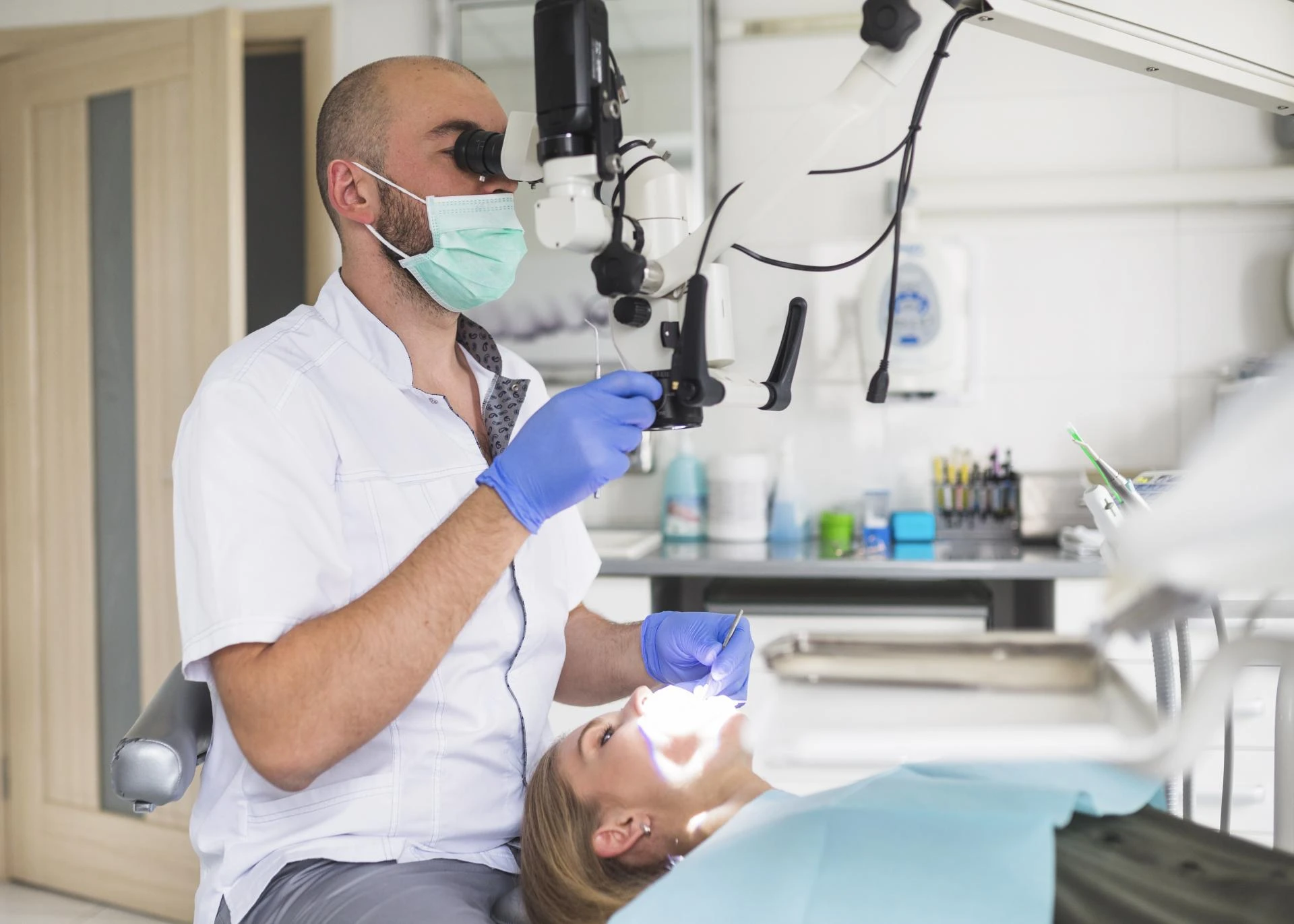

Jaw pain is more than just a minor inconvenience—it can affect eating, speaking, sleeping, and even your mood. Many patients are left wondering, “Jaw Pain: Is It TMD/TMJ or Bruxism?” because the symptoms often overlap and can be confusing. At Rise Dentistry, we help patients understand the root cause of their jaw discomfort and provide effective, personalized treatment plans to restore comfort and protect long-term oral health.
Understanding TMD/TMJ
The temporomandibular joints (TMJ) are located on either side of your head, connecting the lower jaw to the skull. These joints allow the jaw to move up and down, side to side, and forward and backward, enabling normal functions like chewing, speaking, and yawning. When the joint or the surrounding muscles experience inflammation, strain, or dysfunction, it is referred to as temporomandibular disorder (TMD).
TMD can result from several factors, including jaw injuries, arthritis, stress, misaligned bites, or even clenching habits. Common symptoms of TMD include:
- Pain or tenderness around the jaw or ears
- Clicking, popping, or grinding sounds when moving the jaw
- Difficulty chewing or discomfort when opening the mouth
- Jaw locking or restricted movement
- Headaches, earaches, or facial pain
While TMD primarily affects the joint, it can also strain surrounding muscles, leading to broader facial discomfort. Timely evaluation is crucial to prevent worsening pain and long-term damage.
Understanding Bruxism
Bruxism refers to the involuntary clenching or grinding of teeth, often occurring during sleep, though some people grind their teeth during the day without realizing it. Stress, anxiety, sleep disorders, and lifestyle habits such as caffeine or alcohol consumption can contribute to bruxism.
Signs and symptoms of bruxism include:
- Flattened, chipped, or worn teeth
- Jaw soreness or fatigue
- Morning headaches
- Ear pain without infection
- Facial tension or discomfort
Unlike TMD, bruxism primarily involves overworked muscles and teeth rather than the jaw joint itself. However, chronic teeth grinding can place excessive stress on the TMJ and potentially lead to TMD over time.
How TMD and Bruxism Are Connected
Though TMD and bruxism are distinct conditions, they often occur together. Chronic grinding or clenching can strain the jaw muscles and joints, leading to inflammation or dysfunction. Conversely, individuals with TMD may unconsciously develop clenching habits as a response to jaw pain or misalignment. Because symptoms like jaw pain, headaches, and ear discomfort overlap, a professional evaluation is the only reliable way to distinguish between the two conditions.
Diagnosing Jaw Pain at Rise Dentistry
At Rise Dentistry, we take a thorough approach to diagnosing jaw pain. Our process includes:
- Examining your bite alignment
- Checking teeth for signs of grinding or wear
- Assessing jaw movement and joint function
- Evaluating muscle tension and inflammation
In certain cases, we may recommend imaging, such as X-rays or 3D scans, to better visualize the TMJ structure and determine if TMD is present. Accurate diagnosis is essential because TMD and bruxism require different treatment strategies to achieve lasting relief.
Treatment Options for TMD
Treatment for TMD focuses on reducing joint stress, relieving inflammation, and restoring normal function. Common approaches include:
- Custom oral appliances or splints to reduce pressure on the joint
- Bite adjustments to correct alignment
- Physical therapy exercises to strengthen and relax jaw muscles
- Stress management techniques to alleviate tension
- Anti-inflammatory or pain-relief medications
- Referral to specialists in severe or persistent cases
Many patients experience significant improvement with conservative therapies combined with lifestyle adjustments.
Treatment Options for Bruxism
Managing bruxism is about protecting the teeth, reducing muscle strain, and preventing further complications. Treatments typically include:
- Professionally fitted nightguards to prevent grinding damage
- Stress reduction techniques and relaxation therapies
- Lifestyle changes, such as better sleep habits and avoiding stimulants before bed
- Bite correction or orthodontic treatment if misalignment is contributing
Custom nightguards are particularly effective, as they are designed to fit your bite precisely, providing both protection and relief from jaw tension.
When to Seek Professional Help
Not all jaw discomfort is serious, but persistent pain should never be ignored. Contact Rise Dentistry if you notice:
- Chronic headaches or facial pain
- Difficulty opening or closing your mouth
- Jaw locking or clicking
- Noticeable tooth wear or increased sensitivity
Early intervention can prevent long-term complications and ensure your jaw remains healthy and functional.
Preventing Jaw Pain
Preventive measures are important in maintaining jaw health. Regular dental checkups allow early detection of grinding, clenching, or joint dysfunction. Additional steps include:
- Managing stress through mindfulness or exercise
- Avoiding excessive gum chewing or hard foods
- Maintaining good posture to reduce jaw strain
By adopting these practices and seeking timely dental care, patients can minimize the risk of developing TMD or worsening bruxism symptoms.
At Rise Dentistry, we are committed to patient-centered care and helping individuals regain comfort and confidence. Through comprehensive evaluation, tailored treatments, and ongoing support, we ensure every patient achieves long-term relief from jaw pain.
Jaw pain doesn’t have to control your life. If you’re unsure whether your discomfort is caused by TMD/TMJ or bruxism, schedule a consultation with Rise Dentistry today. Jaw Pain: Is It TMD/TMJ or Bruxism?





























Sign in to leave a comment.