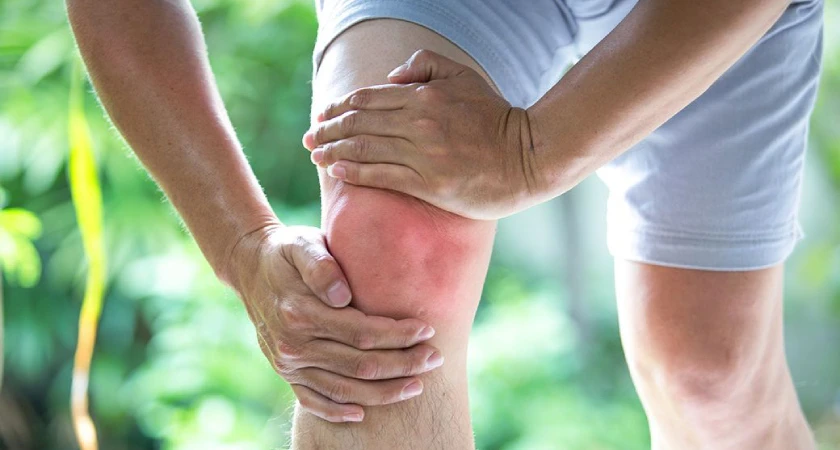

Joint pain is one of the most common musculoskeletal complaints worldwide, affecting people of all ages. From lifestyle-related strain to chronic conditions such as arthritis, joint pain can significantly impact mobility, productivity, and overall quality of life. In 2026, healthcare trends show a growing focus on early diagnosis, personalized treatment, and non-surgical management strategies that help patients maintain active lifestyles.
Understanding Joint Pain and Its Common Causes
Joint pain occurs when inflammation, cartilage damage, or structural problems affect how joints move. Without protective cartilage, bones may rub against each other, leading to pain, stiffness, swelling, and reduced mobility. Some people also experience clicking or grinding sensations when moving affected joints.
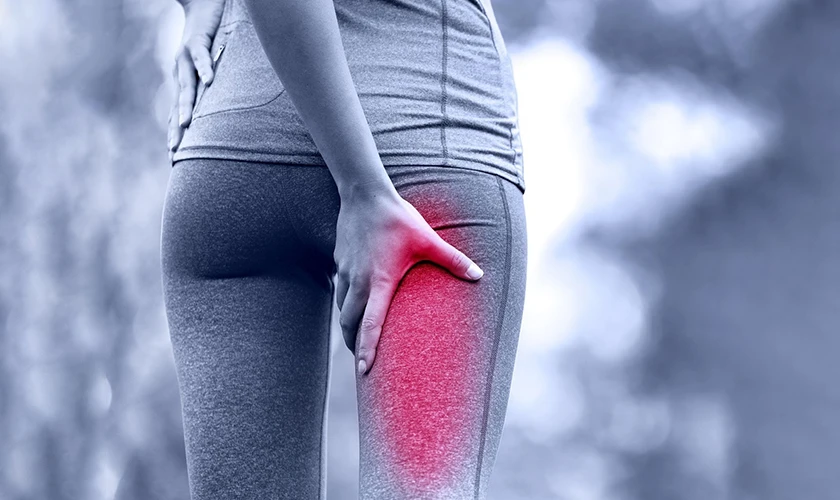
Joint pain can result from both inflammatory and non-inflammatory causes. Common conditions include osteoarthritis, rheumatoid arthritis, gout, injuries, and repetitive strain injuries. Biological processes such as inflammation, nerve signaling, and synovial fluid imbalance also play a role in how joint pain develops and is perceived.
Modern lifestyle factors are also contributing to rising joint complaints. Poor posture, sedentary work, and long hours of screen use are linked to increasing neck, shoulder, and back pain, especially among younger adults.
Why Joint Pain Cases Are Increasing
Recent health trends suggest joint pain is becoming more common due to aging populations, lifestyle changes, and environmental factors. Cold weather can worsen stiffness and discomfort in existing joint conditions, while poor ergonomics can increase pain among younger individuals.
Healthcare demand is also growing rapidly. The global chronic joint pain therapy market is projected to expand significantly through the next decade, reflecting rising patient needs and ongoing treatment innovation.
Trending Treatment Approaches in 2026
1. Movement and Exercise-Based Therapy
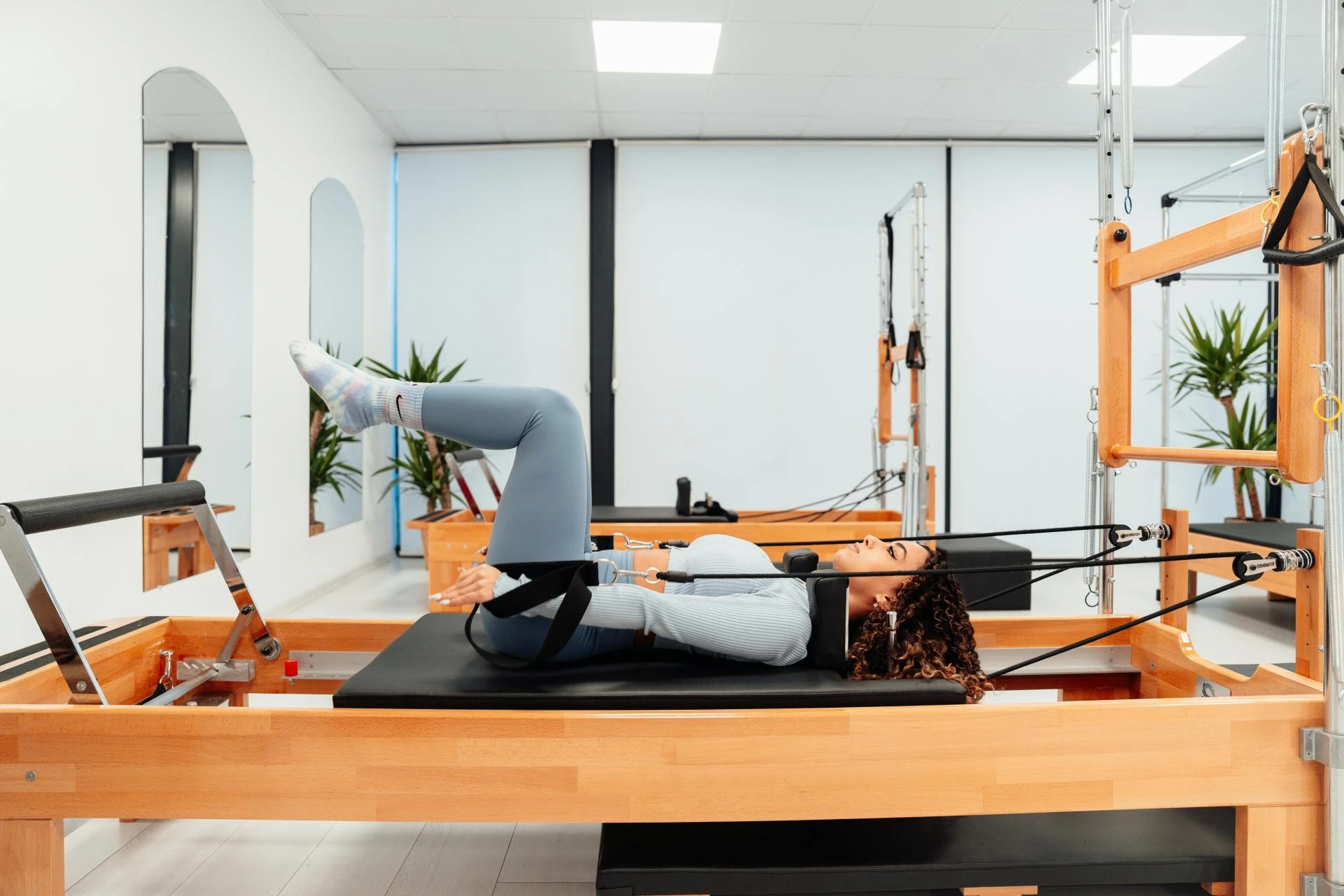
Structured exercise is increasingly recommended as a core part of joint pain treatment. Regular guided exercise can help reduce pain levels, improve mobility, and support long-term joint health.
2. Regenerative Medicine and Biological Therapies
New therapies such as platelet-rich plasma (PRP) and stem cell treatments are being studied for their ability to repair cartilage and reduce inflammation. These treatments aim to support tissue healing rather than only masking symptoms.
3. Advanced Pain Management Technologies
Emerging approaches include neuromodulation, personalized medicine, and new medication strategies that address pain through neurological and biological pathways rather than relying only on traditional painkillers.
4. Artificial Intelligence in Diagnosis and Treatment Planning
AI-driven diagnostic systems can analyze medical imaging to detect joint degeneration earlier and help create personalized treatment plans. These tools may improve diagnostic accuracy and support more effective treatment outcomes.
The Importance of Early Evaluation and Preventive Care
Early diagnosis plays a major role in preventing long-term joint damage. Medical evaluation is recommended when pain interferes with daily activities, causes swelling, or continues for extended periods.
Preventive strategies include maintaining healthy body weight, improving posture, strengthening supporting muscles, and staying physically active. Consistent preventive care can reduce the risk of chronic joint conditions later in life.
Final Thoughts
Joint pain management is shifting toward proactive and personalized care. Modern treatment strategies focus on identifying root causes, supporting joint function, and improving long-term mobility. As research continues to advance, patients have access to more treatment options ranging from conservative therapies to innovative regenerative approaches.
For individuals experiencing persistent joint discomfort, consulting qualified healthcare professionals can help identify underlying causes and guide appropriate treatment. Clinics such as Active Health Chiropractic focus on non-invasive and personalized care approaches, supporting patients who want to improve mobility, reduce pain, and maintain an active lifestyle through modern chiropractic and rehabilitation strategies.

























Sign in to leave a comment.