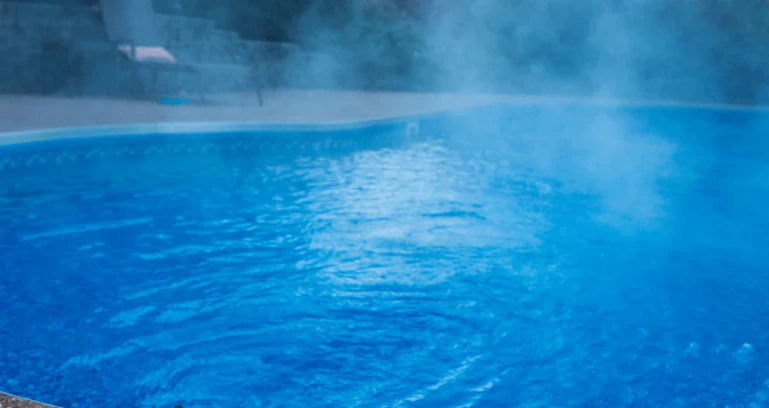
Swimming pools are the ultimate way to beat the summer heat, but when temperatures soar, even pool water can become uncomfortably warm. Instead of offering a refreshing escape, overheated water can feel like a bathtub and create an environment where algae and bacteria thrive. Keeping your pool water cool during extreme heat isn’t just about comfort—it’s about maintaining water balance, protecting equipment, and ensuring safe swimming conditions.
This guide explores practical ways to prevent pool water from overheating, so your pool remains refreshing and crystal clear, even in the hottest weather.
Why Hot Weather Affects Pool Water
High air temperatures, combined with direct sunlight, can raise pool water temperatures quickly. Pools that lack shade or are shallow tend to heat faster, and if the water exceeds 85°F (29°C), swimmers may notice reduced comfort. Beyond comfort, warm water can:
- Accelerate algae growth.
- Reduce chlorine’s effectiveness.
- Increase evaporation and chemical loss.
- Place extra strain on pool equipment.
Knowing these risks highlights why it’s important to keep pool water from overheating.
Step 1: Increase Water Circulation
One of the simplest ways to combat heat is by running the pool pump longer during hot spells. Increased circulation helps prevent heat pockets and distributes cooler water from the lower depths throughout the pool.
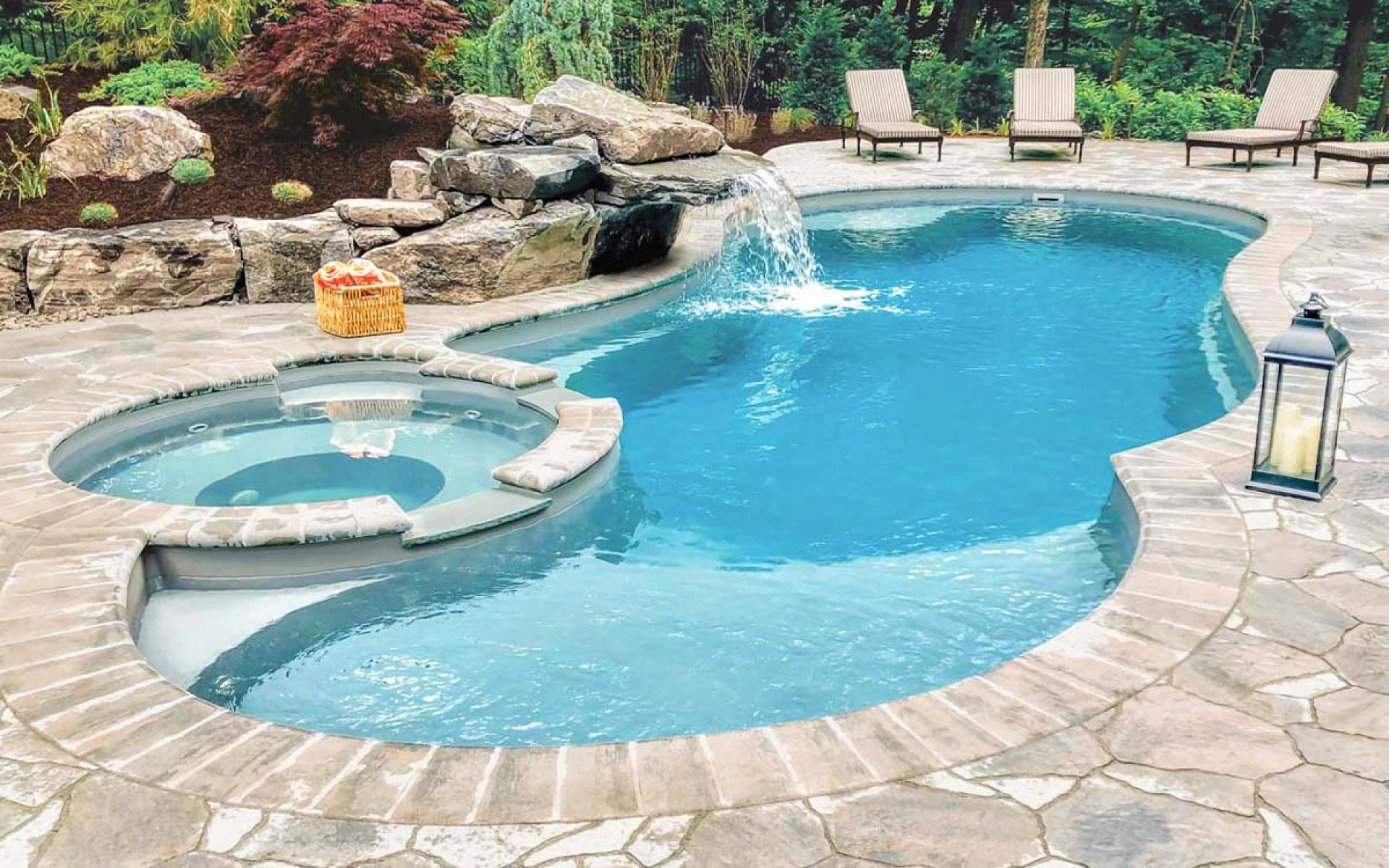
You can also use water features like fountains or waterfalls, which encourage evaporation and naturally lower water temperature. While evaporation increases water loss, the cooling effect often makes the trade-off worthwhile during extreme heat.
Step 2: Use a Pool Shade or Canopy
Direct sunlight is the primary cause of overheating pool water. Adding shade structures reduces heat absorption and provides swimmers with UV protection. Options include:
- Large umbrellas placed near shallow ends.
- Retractable awnings or sails to cover portions of the pool.
- Pergolas with climbing plants for both beauty and shade.
Even partial shading can lower pool water temperatures noticeably.
Step 3: Install a Pool Chiller or Heat Pump With Cooling Mode
For pool owners in consistently hot climates, a pool chiller or a heat pump with cooling capability is a long-term solution. These systems circulate water through cooling units, reducing overall temperatures by several degrees.
Although they require an initial investment, chillers are especially useful for shallow pools or areas where summer heat is intense and prolonged.
Step 4: Top Off With Fresh, Cooler Water
If your pool feels too warm, adding fresh water from your garden hose can bring temperatures down slightly. This method works best early in the morning or late evening when tap water is cooler.
Keep in mind that adding fresh water dilutes pool chemicals, so always test and rebalance water chemistry afterward.
Step 5: Cover the Pool During the Day
While covers are often used to retain heat in cooler seasons, reflective or solar-blocking covers can do the opposite in summer by preventing heat from entering the water. A light-colored or specially designed cover can:
- Reduce UV penetration.
- Limit water temperature rise.
- Minimize evaporation.
This strategy works well for pools that aren’t used daily.
Step 6: Schedule Swimming During Cooler Hours
Sometimes, prevention is as simple as timing. Swimming early in the morning or after sunset not only provides a more refreshing experience but also reduces strain on the pool during the hottest parts of the day.
By scheduling usage during cooler hours, you can enjoy your pool while giving it a natural break from direct heat.
Step 7: Add Aeration Features
Aerators are devices that attach to pool returns and spray water back into the air before it re-enters the pool. This process cools water through evaporation and increased oxygenation, often reducing temperatures by 2–4 degrees.
For a budget-friendly approach, you can use simple DIY spray fountains that connect to return lines. Not only do they help with cooling, but they also add a fun water feature to your pool.
Step 8: Monitor and Maintain Chemical Balance
Warm water can quickly destabilize pool chemistry. Higher temperatures cause chlorine to burn off faster, leaving the pool vulnerable to algae and bacteria. During hot weather:
- Test chlorine levels daily.
- Adjust stabilizer (cyanuric acid) to help chlorine last longer.
- Keep pH and alkalinity within recommended ranges.
Staying on top of water balance ensures that even if the pool gets warmer, it remains safe and sanitary.
Step 9: Optimize Landscaping for Cooling
Strategic landscaping can play a role in cooling your pool. Planting shade trees, tall shrubs, or bamboo around the pool area creates natural barriers against the sun. Just be mindful of falling leaves, which may increase maintenance.
For a balance of shade and cleanliness, consider placing shade vegetation a few feet back from the water’s edge.
Step 10: Avoid Overheating Pool Equipment
Pool pumps and heaters can add heat to the water if overworked or running inefficiently. Make sure your equipment is in good condition and not contributing to rising water temperatures. A properly maintained filtration system reduces the workload and prevents additional heat buildup.
Final Thoughts
During extremely hot weather, your pool can go from cool and inviting to warm and unappealing in just a few days. Beyond comfort, overheated pool water can trigger algae growth, reduce chlorine efficiency, and strain equipment.
By increasing circulation, adding shade, using chillers or aerators, covering the pool, and carefully maintaining water chemistry, you can keep your pool water refreshingly cool even during the hottest months. With a proactive approach, your pool will continue to be the perfect summer retreat—no matter how high the temperatures climb.























Sign in to leave a comment.