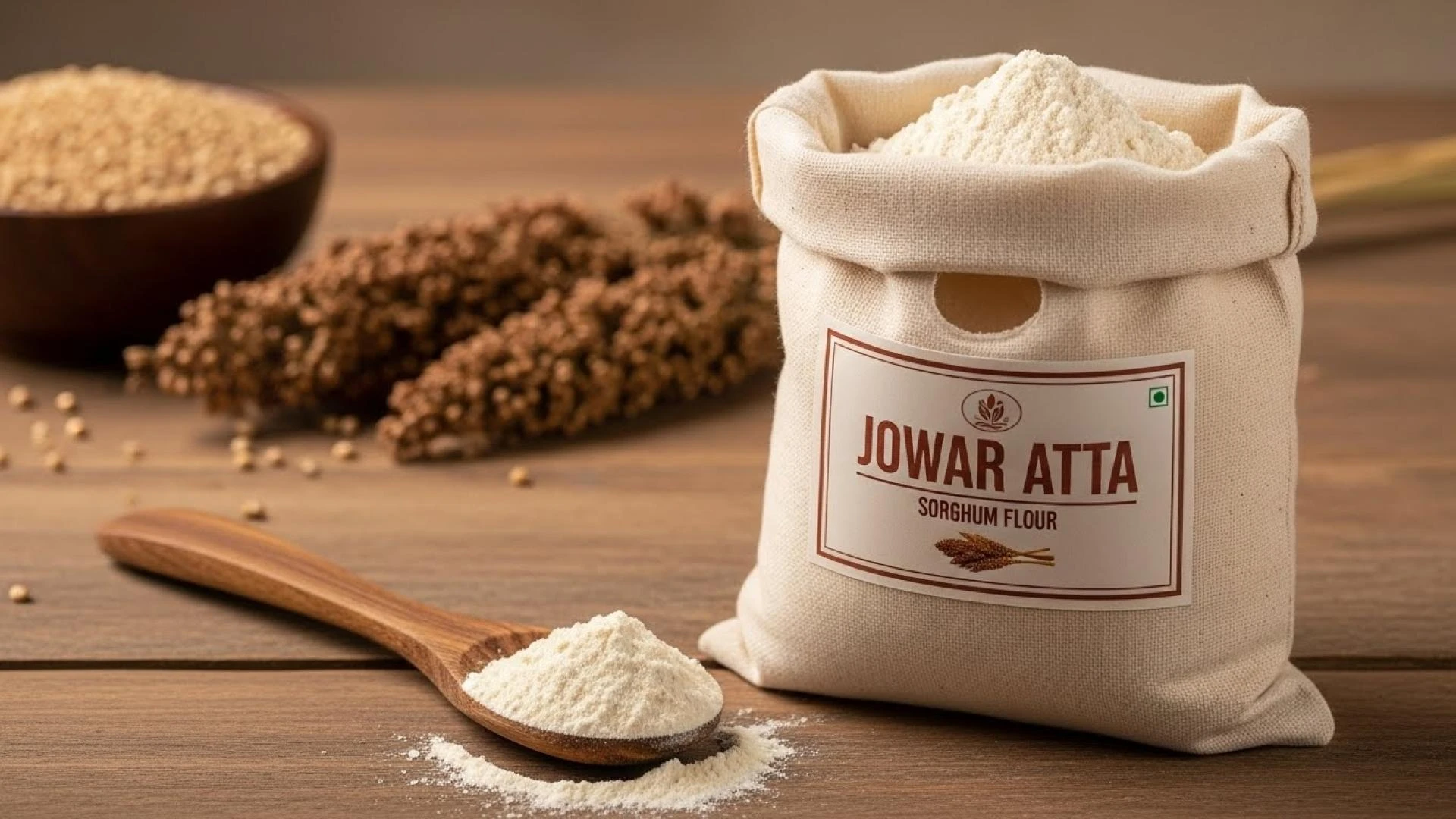

As modern lifestyles become faster and more demanding, people are increasingly rethinking what they eat. Health, fitness, digestion, and long-term wellness are no longer secondary concerns—they are shaping everyday food choices. Among the many changes happening in Indian kitchens, one of the most notable is the growing preference for traditional, nutrient-rich grains over highly processed staples.
Wheat flour, though widely consumed, is now being questioned by health-conscious consumers due to gluten sensitivity, rising lifestyle disorders, and the need for more balanced nutrition. This has led many households to explore ancient grains that were once dietary mainstays. One such grain making a powerful comeback is sorghum, locally known as jowar.
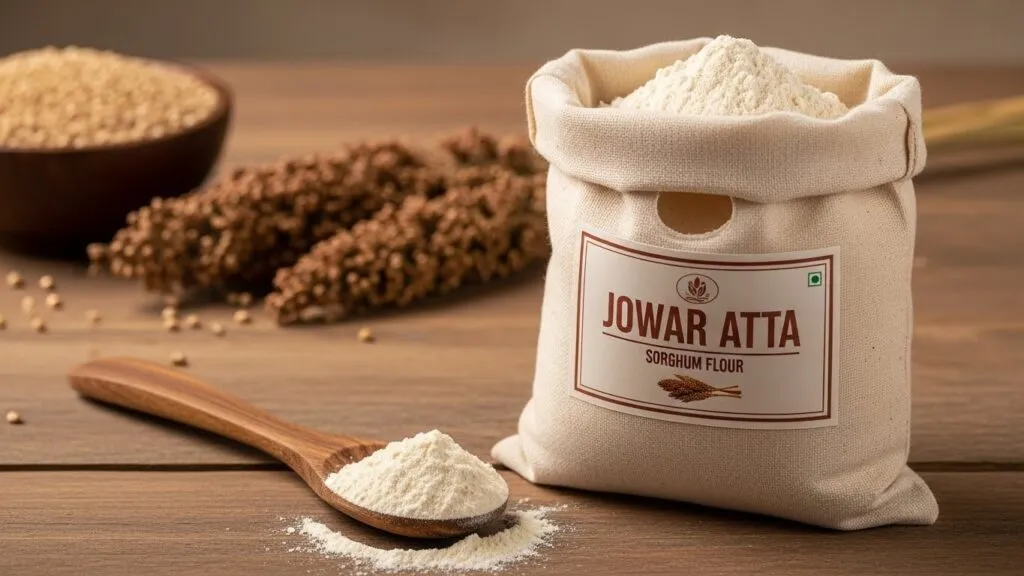
In this guide, we explore Jowar Atta its nutritional profile, health benefits, culinary uses, and why it fits perfectly into today’s wellness-focused lifestyle. This in-depth blog is crafted to help you make informed food decisions while highlighting the quality promise of 10on10foods.
Understanding Jowar: A Heritage Grain with Modern Value
Jowar has been cultivated in India for thousands of years and has long been a staple in many regional diets. Traditionally grown in arid and semi-arid climates, this resilient grain thrives with minimal water and chemical inputs, making it both environmentally sustainable and nutritionally dense.
Despite its long history, jowar was gradually overshadowed by wheat and rice during the era of industrial agriculture. However, as awareness grows around lifestyle diseases, gluten intolerance, and the importance of whole foods, this ancient grain is finding renewed appreciation.
What makes jowar especially relevant today is its ability to combine traditional nutrition with modern dietary needs. It fits seamlessly into gluten-free, high-fiber, plant-based, and diabetic-friendly meal plans, making it a versatile option for contemporary kitchens.
What Makes Jowar Flour Different from Wheat Flour?
While both jowar and wheat are cereal grains, their nutritional composition and physiological impact differ significantly.
Wheat flour is rich in carbohydrates and contains gluten, a protein that provides elasticity to dough. While gluten is harmless for many, it can cause digestive discomfort or intolerance in others. Moreover, refined wheat flour often lacks essential nutrients due to processing.
Jowar flour, on the other hand, is naturally gluten-free and retains more of its fiber and micronutrients when stone-ground or minimally processed. It has a denser texture and a mildly earthy flavor that pairs well with both traditional and contemporary recipes.
Key differences include:
- No gluten, making it suitable for sensitive digestion
- Higher fiber content for improved gut health
- Lower glycemic response for better blood sugar control
- Richer mineral profile supporting overall wellness
These qualities position jowar flour as more than a substitute—it is a functional upgrade.
Nutritional Profile of Jowar
Jowar is often described as a “nutrient powerhouse” due to its impressive balance of macronutrients and micronutrients. It provides sustained energy while supporting digestive and metabolic health.
Macronutrients
- Complex Carbohydrates: Deliver steady energy without sharp sugar spikes
- Protein: Supports muscle maintenance and metabolic functions
- Dietary Fiber: Aids digestion, promotes satiety, and supports gut health
Micronutrients
- Iron: Essential for oxygen transport and preventing fatigue
- Magnesium: Supports muscle function and nerve health
- Phosphorus: Vital for bone strength and cellular repair
- Potassium: Helps regulate blood pressure
In addition, jowar contains antioxidants and plant compounds that help combat oxidative stress, supporting long-term health and immunity.
Health Benefits of Including Jowar in Your Diet
1. Supports Digestive Health
High dietary fiber content promotes regular bowel movements, improves gut flora, and reduces the risk of constipation and bloating. It also helps in better nutrient absorption.
2. Helps in Blood Sugar Management
Jowar has a low glycemic index, meaning it releases glucose slowly into the bloodstream. This makes it suitable for individuals managing diabetes or insulin sensitivity.
3. Aids in Weight Management
Foods rich in fiber and complex carbohydrates increase satiety, helping control portion sizes and reduce unnecessary snacking. Jowar-based meals keep you fuller for longer.
4. Heart-Friendly Grain
The presence of potassium, magnesium, and antioxidants helps regulate blood pressure, reduce cholesterol levels, and support cardiovascular health.
5. Suitable for Gluten Sensitivity
For those with gluten intolerance or celiac disease, jowar offers a safe and nutritious alternative without compromising on taste or texture.
Jowar in Traditional Indian Cuisine
Long before modern health trends, Indian households relied on jowar as a staple. From rural kitchens to royal cuisines, this grain featured prominently in everyday meals.
Popular traditional dishes include:
- Bhakri (flatbread) in Maharashtra and Karnataka
- Rotis in Rajasthan and Madhya Pradesh
- Fermented batters for regional breads and snacks
These dishes not only provided sustenance but were also deeply connected to local agriculture, seasonal eating, and sustainable farming practices.
Modern Culinary Applications
Today, jowar is being reinvented for contemporary kitchens. Its neutral taste and nutritional value make it ideal for both savory and sweet dishes.
Everyday Meals
- Soft flatbreads and wraps
- Savory pancakes and cheelas
- Steamed dumplings and parathas
Baked Goods
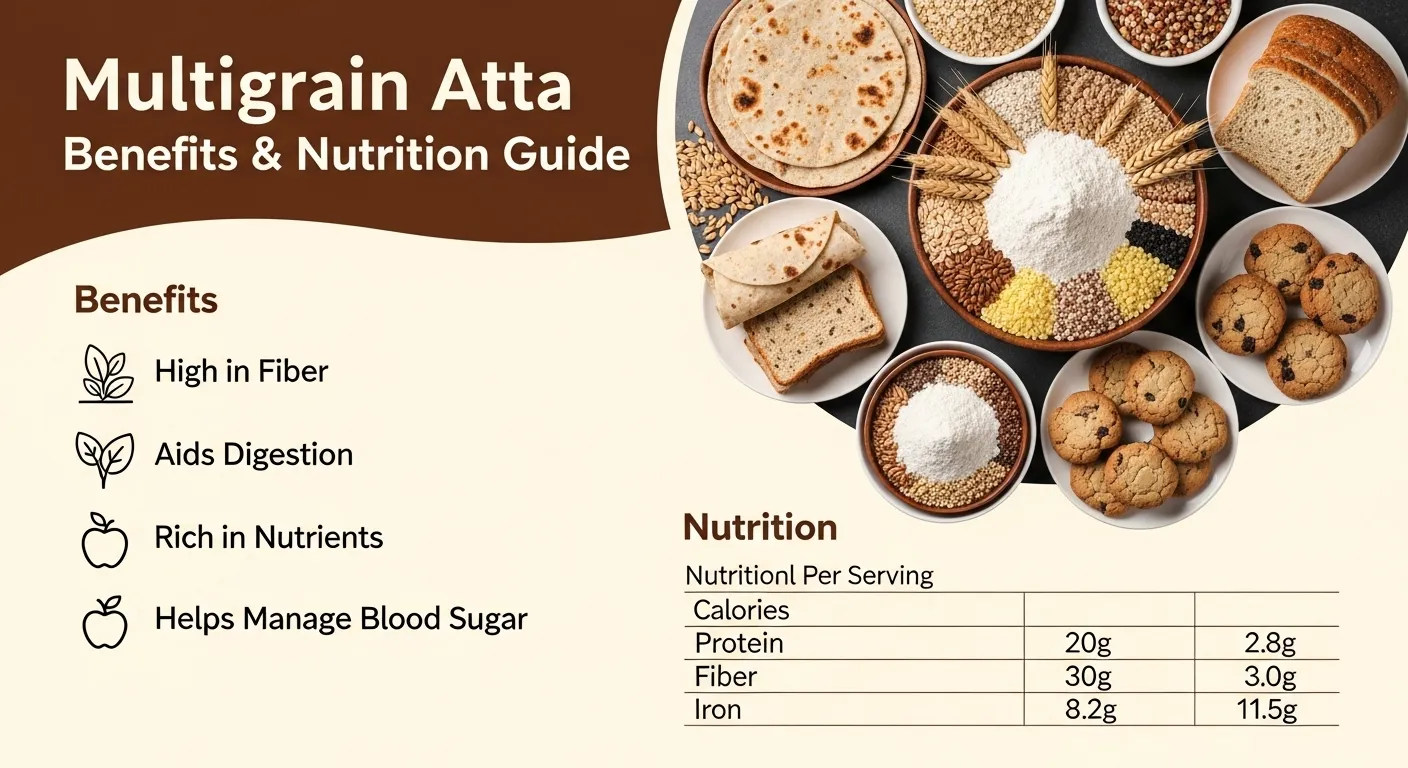
- Multigrain breads and rolls
- Cookies, muffins, and brownies
- Pizza bases and crackers
Healthy Snacks
- Puffed jowar for trail mixes
- Roasted grains with spices
- Energy bars and breakfast cereals
These innovations allow health-conscious consumers to enjoy traditional nutrition without sacrificing modern convenience or flavor.
Why Jowar Fits Perfectly into Today’s Lifestyle
Modern diets often suffer from excessive refinement, high sugar content, and low fiber. Jowar addresses these concerns by offering a wholesome, plant-based alternative that aligns with several lifestyle goals:
- Clean Eating: Minimal processing, no artificial additives
- Sustainable Living: Low water requirement and climate resilience
- Fitness-Oriented Diets: Supports endurance, digestion, and recovery
- Family Nutrition: Suitable for all age groups, from children to seniors
This makes jowar more than just a trend—it is a long-term dietary solution.
How Jowar Compares with Other Alternative Flours
With increasing interest in healthy grains, consumers often compare jowar with other popular flours.
Versus Rice Flour
Rice flour is gluten-free but low in fiber and protein. Jowar offers better satiety and balanced nutrition.
Versus Oats Flour
Oats are nutritious but often processed and may contain gluten due to cross-contamination. Jowar remains naturally gluten-free and less processed.
Versus Millet Blends
While other millets are also healthy, jowar stands out for its versatility, neutral flavor, and ease of incorporation into everyday recipes.
How to Use Jowar Flour in Daily Cooking
Switching from wheat to jowar does not require drastic changes. Simple adaptations can help you transition smoothly.
Tips for Making Soft Flatbreads
- Use warm water while kneading
- Add a small amount of oil for flexibility
- Roll between parchment sheets to prevent cracking
For Baking
- Combine with other whole-grain flours for improved texture
- Increase moisture content in recipes
- Allow slightly longer baking time
Storage Tips
- Store in airtight containers
- Keep in a cool, dry place
- Use within recommended shelf life for maximum freshness
The Role of Jowar in Sustainable Agriculture
One of jowar’s most compelling advantages lies beyond nutrition—it is an environmentally responsible crop.
- Low Water Requirement: Thrives in drought-prone areas
- Minimal Chemical Dependency: Naturally resistant to pests
- Supports Local Farmers: Encourages indigenous crop cultivation
By choosing jowar-based products, consumers indirectly support sustainable farming practices and rural livelihoods.
Why Choose 10on10foods for Premium Jowar Products
At 10on10foods, quality is not just a promise—it is a practice. Every step of sourcing, processing, and packaging is designed to preserve nutrition, purity, and authenticity.
What Sets 10on10foods Apart?
- Carefully Sourced Grains: Selected from trusted farms
- Minimal Processing: Retains natural nutrients and flavor
- Quality Control: Ensures consistency, hygiene, and freshness
- Customer-Centric Approach: Focused on health, transparency, and trust
By choosing 10on10foods, you are not just buying flour—you are investing in better nutrition and responsible food choices.
Who Should Include Jowar in Their Diet?
Jowar is suitable for a wide range of dietary needs:
- Health-conscious individuals seeking clean, whole foods
- People with gluten sensitivity or digestive concerns
- Fitness enthusiasts requiring sustained energy
- Diabetics managing blood sugar levels
- Families wanting balanced nutrition for all age groups
Its versatility ensures it can be adapted to various cuisines, tastes, and meal plans.
Myths and Misconceptions about Jowar
“It Is Difficult to Cook”
With the right techniques, jowar is as easy to use as wheat flour. Small adjustments in kneading and cooking methods make all the difference.
“It Does Not Taste Good”
Jowar has a mild, nutty flavor that pairs well with spices, vegetables, and even sweet ingredients.
“It Is Only for Rural Diets”
Modern recipes and innovations have made jowar a staple in urban kitchens, bakeries, and health-focused cafes.
How Often Should You Consume Jowar?
Incorporating jowar two to four times a week is a great way to diversify your diet. Many families gradually replace a portion of wheat-based meals with jowar-based alternatives to enjoy its benefits without drastic changes.
Balance is key. Combining different grains ensures a wider nutrient spectrum and prevents dietary monotony.
A Smarter Choice for the Future
Food choices today shape long-term health, environmental sustainability, and lifestyle quality. With rising concerns about processed foods, digestive issues, and ecological impact, traditional grains like jowar offer a path forward that is both rooted in heritage and aligned with modern science.
By choosing wholesome, nutrient-dense ingredients, you empower your body with better nourishment and contribute to a more sustainable food ecosystem.
Conclusion
Jowar is not just another alternative flour—it represents a return to mindful eating, sustainable agriculture, and holistic wellness. Its nutritional richness, digestive benefits, and culinary versatility make it a natural fit for modern lifestyles.
When sourced and processed with care, jowar becomes more than a grain—it becomes a foundation for healthier living. With 10on10foods, you gain access to premium-quality products that honor tradition while meeting today’s nutritional standards.
Embrace smarter eating. Choose better grains. Build a healthier tomorrow—one meal at a time.
Sign in to leave a comment.