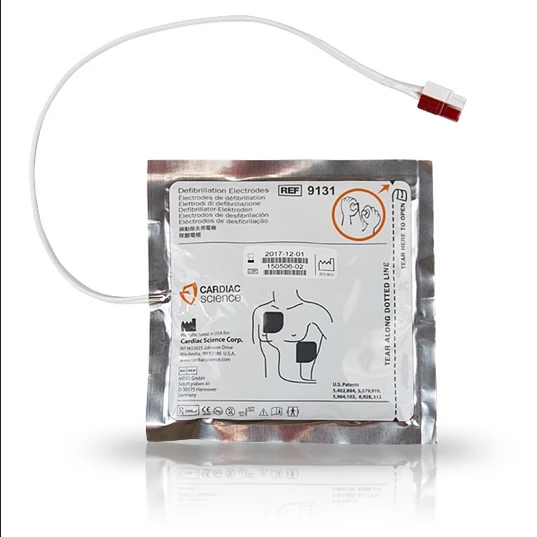

Automated External Defibrillators (AEDs) are indispensable devices in the fight against sudden cardiac arrest (SCA). These portable lifesavers are designed to deliver a therapeutic shock to restore normal heart rhythm in individuals experiencing cardiac emergencies. However, the effectiveness of an AED is contingent upon the condition of its battery. In this comprehensive guide, we delve into the crucial importance of defibrillator battery replacement and provide essential insights to ensure readiness when it matters most.
Understanding the Vital Role of Defibrillator Batteries
Defibrillator batteries are the heartbeat of these life-saving devices, providing the necessary power to analyze heart rhythms and deliver shocks as needed. Without a fully charged and operational battery, an AED becomes nothing more than a mere device with no ability to intervene during a cardiac emergency. Therefore, defibrillator battery replacement is paramount to maintaining the efficacy of AEDs and ensuring they are ready to be deployed at a moment\'s notice.
The Importance of Timely Battery Replacement
Timely battery replacement is critical to ensure that an AED is always prepared to respond effectively in an emergency situation. Most AED manufacturers recommend replacing the battery at regular intervals, typically every 2 to 5 years, depending on the model and usage. Ignoring or delaying battery replacement can have serious consequences, as an AED with a depleted or malfunctioning battery may fail to deliver the necessary shock when needed most.
Signs It\'s Time for Battery Replacement
There are several indicators that signal it may be time to replace the battery in an AED:
Low Battery Indicator: Many AEDs are equipped with a low battery indicator that alerts users when the battery is running low. This warning should be heeded, and prompt action should be taken to replace the battery.
Expired Battery: Even if an AED has not been used, the battery should be replaced according to the manufacturer\'s recommended schedule, typically every 2 to 5 years. Over time, batteries can degrade and lose their effectiveness, so it\'s essential to replace them on schedule.
Physical Damage: Any signs of physical damage to the battery, such as cracks or leaks, warrant immediate replacement. Damaged batteries can pose a safety hazard and should not be used.
Inconsistent Performance: If an AED fails to power on or experiences other technical issues, the battery should be one of the first components to be checked. Inconsistent performance may be a sign of a failing battery.
The Battery Replacement Process
The process of replacing the battery in an AED varies depending on the make and model of the device. However, in general, it involves the following steps:
Power Off the AED: Before replacing the battery, ensure that the AED is powered off to prevent any electrical accidents.
Remove the Old Battery: Open the battery compartment of the AED and carefully remove the old battery, taking note of its orientation.
Insert the New Battery: Insert the new battery into the compartment, ensuring that it is inserted correctly according to the markings.
Power On the AED: Once the new battery is securely in place, power on the AED and perform a self-test to confirm that it is functioning properly.
Record the Replacement: Keep a record of the battery replacement, including the date and serial number of the new battery, for future reference.
Conclusion
Defibrillator battery replacement is a critical aspect of maintaining readiness and ensuring the effectiveness of these life-saving devices. By following the manufacturer\'s recommended battery replacement schedule and promptly replacing batteries when necessary, we can ensure that AEDs are always prepared to respond in an emergency. Investing in timely battery replacement can make a significant difference in saving lives and improving outcomes for individuals experiencing sudden cardiac arrest.



























Sign in to leave a comment.