
Use cold-pressed mustard oil for tadka, curries, pickles, and frying with easy tips for choosing, heating, cooking, and storing it safely at home.
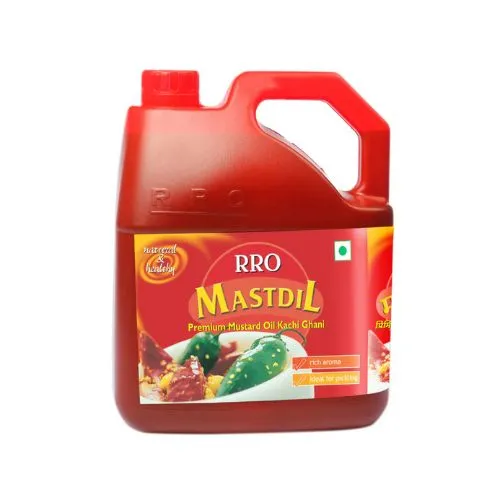
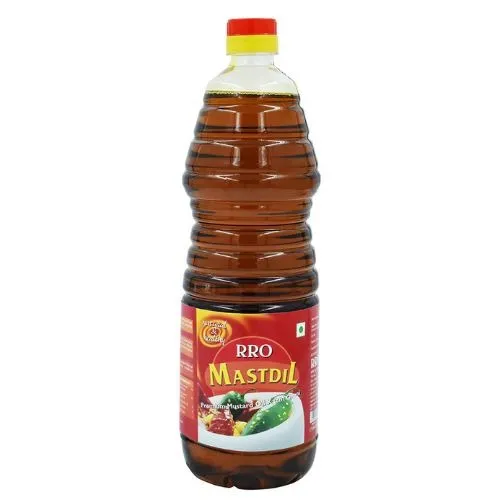
Kachi ghani mustard oil gives Indian food a sharp aroma and deep flavour. It is made by pressing mustard seeds at a controlled temperature instead of heavily refining the oil. RRO describes Mastdil Premium Mustard Oil as cold-first-pressed and suitable for tadka, pickles, and Indian cooking.
A little can make dal, sabzi, fish, meat, and achar feel more traditional. The oil smells strong when first heated, but the sharp smell softens as it cooks.
What Makes Kachi Ghani Mustard Oil Different?
Kachi ghani mustard oil is known for its bold smell and clear mustard taste. Low-heat pressing helps preserve more of the seed’s natural character. Regular mustard oil may go through extra refining, making its aroma and flavour milder.
A fresh bottle should smell sharp, clean, and nutty. A stale or burnt smell may mean the oil is old or poorly stored. Strong pungency is one reason cooks choose cold-pressed mustard oil for flavour-rich recipes.
How to Cook with Kachi Ghani Mustard Oil
When using kachi ghani mustard oil, warm it before adding the main ingredients. Many Indian cooks heat mustard oil until its raw smell softens, then lower the flame before adding cumin, garlic, onion, or dried chilli. Do not keep the oil smoking for long.
Use enough oil to coat the pan, cook the spices well, and add more only when needed.
Kachi ghani mustard oil works well for:
- Dal tadka with garlic and dried red chilli
- Aloo, bhindi, baingan, saag, and mixed vegetables
- Bengali fish curry and mustard-based gravies
- Mango, lemon, chilli, and mixed vegetable pickles
- Pakoras, pooris, parathas, and shallow-fried snacks
Storage, age, and repeated heating can change how any oil behaves. Keep the temperature controlled and use fresh oil whenever possible.
Best Uses for Cold-Pressed Mustard Oil
Kachi ghani mustard oil is most useful when the oil is part of the dish’s taste, not only a cooking medium. It pairs well with turmeric, cumin, coriander, fennel, nigella seeds, ginger, garlic, and green chilli.
For pickles, warm the oil as required and let it cool before mixing. Keep the jar and ingredients dry. For curries, cook the spices until fragrant before adding vegetables, fish, or meat. Some bharta and aloo chokha recipes use a tiny raw drizzle for extra sharpness. Only do this when the label says the oil is edible.
How to Choose and Store Kachi Ghani Mustard Oil
Before buying kachi ghani mustard oil, read the label. Check the ingredient list, edible-use statement, seal, batch details, and best-before date. Choose a pack size your household can finish while the aroma is fresh.
Store the oil in a cool, dry, dark place. Close the cap after every use. Keep it away from the stove and sunlight. Do not mix old oil with a new bottle or heat the same oil many times.
Food rules differ by country. The U.S. FDA states that expressed mustard oil containing unsafe erucic-acid levels is not permitted as a vegetable oil. People outside India should follow the label and local food rules.
Frequently Asked Questions About Mustard Oil
Is cold-pressed mustard oil good for cooking?
Yes. It can be used for tadka, sabzi, curries, pickles, shallow frying, and other Indian dishes. Its bold flavour suits recipes where mustard taste is wanted.
What is the difference between kachi ghani and regular mustard oil?
Kachi ghani oil is pressed at a controlled temperature and usually keeps a stronger aroma. Regular mustard oil may be further refined, making it milder.
Can cold-pressed mustard oil be used for deep frying?
It can be used for frying when the label permits edible use. Keep the heat controlled and avoid prolonged smoking.
Should mustard oil be heated before cooking?
For most cooked Indian dishes, yes. Heating helps soften the raw aroma. Lower the flame before adding spices so they do not burn.
Can mustard oil be used for pickles?
Yes. Its sharp flavour works well in many Indian pickles. Keep the jar and ingredients dry, and follow the recipe carefully.
How should cold-pressed mustard oil be stored?
Keep it tightly closed in a cool, dark, dry place. Protect it from sunlight, moisture, and repeated heat.
Conclusion: Better Cooking with Kachi Ghani Mustard Oil
Cold-pressed mustard oil suits cooks who enjoy traditional Indian flavour. Use it in suitable dishes, heat it carefully, and store it well. Start with a small amount in tadka, sabzi, curry, or pickle. Once you understand its strength, it can become part of everyday cooking.































Sign in to leave a comment.