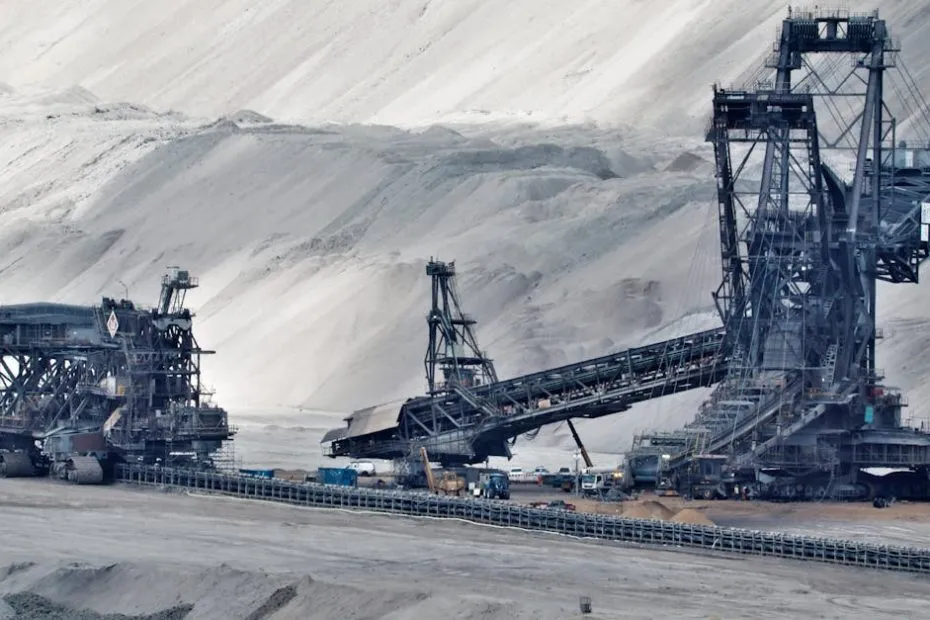

Magnets in mining and beneficiation operations do not last forever. Field strength slowly drops, mechanical wear eats into casings, and electrical components develop faults after years of harsh duty. Most operations replace these assets far too late and pay a high downstream price. A different approach, treating magnet lifecycle management like any other critical equipment, delivers much better operational results.
Understanding Natural Degradation
Permanent magnets lose about one to two percent of field strength per decade under normal operating conditions. Harsh environments with high heat, vibration, and impact can accelerate that rate significantly.
Electromagnetic units have different failure modes. Coil insulation breaks down with age, cooling systems wear out, and control electronics develop faults that can cause the magnet to underperform without obviously failing. Regular monitoring catches these issues before they cause downstream problems.
A Dry magnetic separator subjected to dusty environments also suffers from surface wear on the drum or belt facing. This changes the effective magnetic gap between the magnet and the material, which directly reduces separation efficiency even when the magnet itself is still at full strength.
Specialised Duty Challenges
A Ferrochrome Magnet faces some of the harshest wear conditions in mining. The abrasive nature of ferrochrome feed chews through wear plates, wiper blades, and bearing surfaces far faster than standard mineral processing.
Wear parts on these units are consumables rather than permanent fixtures. Budgeting for quarterly replacement of high-wear components avoids unplanned downtime and keeps performance stable throughout the service year.
Keeping spares on site also matters. A wear plate that fails on a Friday afternoon on a remote site can mean days of lost production if the replacement has to be shipped from elsewhere. Stocking critical spares is cheap insurance against operational disruption.
Iron Ore Circuit Care
In Iron ore beneficiation circuits, magnet performance shows up immediately in product grade. A drifting magnet on a primary concentration stage pushes iron-bearing material into tailings, directly costing revenue for every hour the problem goes undetected.
Daily grade monitoring on the beneficiation output catches these drifts early. Trending the data over weeks reveals slow declines that single-day comparisons might miss. Operations with disciplined monitoring outperform their peers simply by catching issues earlier.
Preventive magnet inspection should coincide with the plant’s regular shutdown schedule. Fitting magnetic inspection into planned downtime avoids creating new outages just for testing, which is more palatable to plant managers balancing production targets.
Coal Plant Circuits
Coal beneficiation plants depend heavily on magnetite recovery, and any decline in recovery magnets pushes operating costs up through higher magnetite replenishment. The correlation is direct: ten percent recovery drop translates to roughly ten percent higher magnetite consumption.
Tracking magnetite consumption as a leading indicator often spots magnet performance issues before any dedicated inspection would catch them. Operations teams who include this metric in their weekly reporting notice drifts early.
Rebuilding rather than replacing aged recovery magnets is often the better economic call. A rebuild with new coils, casing repair, and recalibration usually runs at about forty to fifty percent of new unit cost, with restored performance.
Handling Equipment Protection
Protective Material handling magnets catch tramp metal that would otherwise damage downstream crushers and mills. These units generally see lighter wear than beneficiation magnets but still need regular inspection for capture capacity and mechanical integrity.
A captured-metal logbook kept at each tramp magnet gives operations a weekly read on how much contamination the plant is catching. Spikes in capture volume often indicate an upstream equipment issue that is shedding parts into the material flow.
Lifetime for these units varies widely with feed characteristics. Clean feed operations can run the same unit for a decade or more; dirty feed operations may need rebuilds every three to five years. Matching maintenance intervals to actual conditions works better than generic schedules.
General Mining Duty Issues
Mining magnets across the industry share some common failure modes that can be avoided with planning. Cable damage from vibration, water ingress through degraded seals, and bearing failures in self-cleaning drive systems account for the bulk of unplanned outages.
Inspection checklists that specifically cover these failure points catch most issues at the early wear stage rather than after the failure. A monthly visual inspection plus quarterly functional testing is usually enough to prevent the majority of emergency callouts.
Documentation of inspection results over time also creates useful engineering data. Patterns that emerge over years inform the specification of replacement units when the original finally retires.
Self-Cleaning Unit Care
A Suspended conveyor magnet in self-cleaning configuration has more moving parts than a fixed version. The self-cleaning belt, its drive motor, and the wiper mechanism all need regular attention that simple fixed magnets do not require.
Belt tensioning is particularly important. Too loose a belt causes slippage and uneven cleaning; too tight a belt accelerates bearing wear on the drive system. Manufacturer specifications usually give tension targets that should be verified during each inspection.
The benefit of self-cleaning units is continuous operation, but that only holds if the self-cleaning mechanism itself is reliable. A self-cleaning unit that needs manual intervention every week has lost most of its advantage over a simpler fixed alternative.
Suspended Separator Checks
A Suspended magnetic separator on a raised frame is easy to forget about, since it sits above the work area and stays out of sight during normal operation. These units often suffer from “out of sight, out of mind” neglect.
Scheduling specific inspection windows for overhead equipment prevents this. Many operations include overhead equipment checks as a formal point in their monthly maintenance routine.
Lifting or removing a suspended unit for maintenance can require specialised rigging. Planning this during equipment design avoids awkward retrofit situations where a unit cannot easily be accessed for major service.
Tramp Metal Units
Smaller Tramp magnet units distributed across a plant protect specific vulnerable points. Each small unit individually is low value, but collectively they represent significant investment and significant protection.
Asset registers that include all magnetic equipment, not just the large beneficiation units, prevent tramp magnets from being forgotten between inspection cycles. Barcoding or tagging each unit provides a simple way to maintain accurate records.
Replacement of small tramp magnets is usually faster and cheaper than rebuild, because the labour cost of rebuilding can exceed the cost of a new unit at this size class.
Safe Retirement
When Tramp metal magnets finally reach end of service, safe removal and disposal matters. Permanent magnets retain significant field strength even when decommissioned, and handling them without proper precautions can cause injury or damage to other equipment nearby.
Specialised contractors handle decommissioning professionally. Their costs are modest compared to the risks of informal disposal, and they often take the old units for refurbishment and resale rather than scrapping.
Mining magnet lifecycle management is really a question of getting the most productive service out of a significant capital investment. Operations that approach this systematically, with inspection, testing, rebuild, and planned replacement, consistently outperform those that react only when a failure forces attention. The cumulative effect over years of disciplined care is substantial, both on operating cost and on product quality.













Sign in to leave a comment.