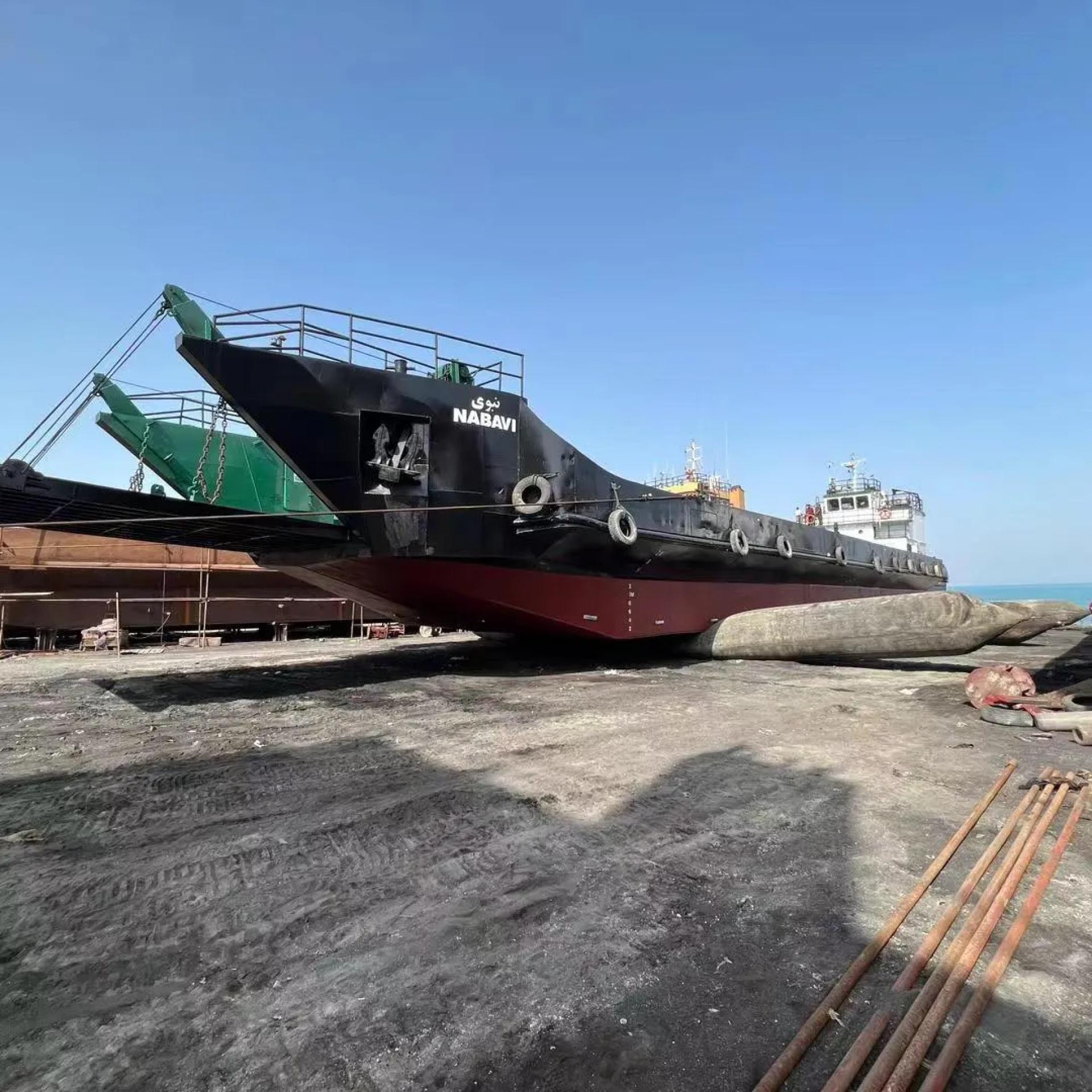

Ship launching is one of the most critical stages in vessel construction, requiring a balance of safety, precision, and efficiency. For decades, traditional launching methods such as dry docks and slipways dominated the industry. However, with evolving technology and cost concerns, marine rubber airbags have emerged as a reliable, flexible, and cost-effective alternative. This modern approach has not only simplified the process but also enhanced the overall safety and versatility of ship handling operations.
A Modern Alternative to Conventional Launching
Marine rubber airbags, often referred to as marine air bags or marine launching airbags, are highly engineered, pressure-resistant rubber cylinders used to lift and move vessels. Instead of relying on permanent structures like docks, these airbags are placed under the hull and inflated, allowing the vessel to roll safely into the water.
This innovative technique eliminates the need for large-scale infrastructure and complex mechanical systems, making it ideal for shipyards of varying sizes. Whether launching fishing boats, cargo vessels, or offshore platforms, marine rubber airbags deliver exceptional adaptability to diverse operational needs.
Cost Efficiency and Operational Flexibility
One of the biggest advantages of using marine airbags lies in their cost-effectiveness. Building and maintaining dry docks or slipways can involve enormous investments. In contrast, marine airbags require minimal setup and can be reused multiple times, dramatically reducing both capital and operational expenses.
Moreover, the mobility of these airbags provides unmatched flexibility. They can be transported and deployed across different sites, making them an efficient option for temporary or remote shipbuilding facilities. This reusability and portability make them an attractive solution for shipyards aiming to optimize budgets without compromising performance.
Enhanced Safety and Control
Safety remains a top priority during ship launching and landing. The design of marine rubber air bags ensures uniform load distribution and smooth vessel movement, minimizing the risk of structural damage or imbalance. The airbags absorb shocks and vibrations, providing excellent cushioning even for heavy or irregularly shaped hulls.
In contrast, traditional methods depend heavily on rigid mechanical systems that leave little room for error. The elasticity and adaptability of marine airbags reduce human risk factors while ensuring stable, controlled launches regardless of ground conditions or weather changes.
Durability and Long-Term Reliability
Manufactured using high-strength rubber and reinforced synthetic materials, marine airbags are built to withstand high internal pressure, abrasion, and environmental wear. With proper maintenance, they can be used hundreds of times without losing performance integrity.
Their ability to endure harsh marine environments adds to their appeal, especially in coastal and offshore operations. This durability translates into lower replacement costs and increased operational uptime, further emphasizing their superiority over conventional launch methods.
Versatility Across Marine Operations
The use of marine rubber airbags extends beyond launching and landing. They are widely used for heavy lifting, hull repair, transportation of large modules, and even for moving industrial equipment onshore. Their versatility makes them a valuable asset for shipyards, ports, and construction companies alike.
Additionally, airbags can handle a wide range of vessel sizes—from small fishing boats to large cargo ships—making them suitable for both commercial and naval applications. This adaptability enhances productivity while supporting multiple operational requirements with a single solution.
Environmental and Infrastructure Benefits
Traditional ship launching often involves permanent structures that alter coastal landscapes and demand significant construction. Marine airbags, however, are portable and require no permanent installations, minimizing environmental disruption. They promote sustainable operations by reducing material waste, energy consumption, and site modifications.
Shipyards can also operate in smaller or temporary spaces without the need for large-scale construction, preserving both resources and the surrounding environment.
Revolutionizing Marine Launch Operations
The adoption of marine rubber air bags marks a transformative shift in shipbuilding and launching practices. Their combination of safety, affordability, durability, and environmental benefits makes them the preferred choice for modern maritime operations.
By replacing outdated, resource-intensive methods, marine airbags empower shipyards to achieve greater operational flexibility and efficiency. This approach not only optimizes production cycles but also aligns with global sustainability standards and cost-effective engineering principles.
With innovation and quality at its core, Lion Rubber continues to deliver high-performance marine airbags that set new benchmarks in safety, reliability, and efficiency for ship launching and marine applications.

























Sign in to leave a comment.