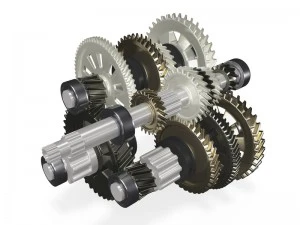

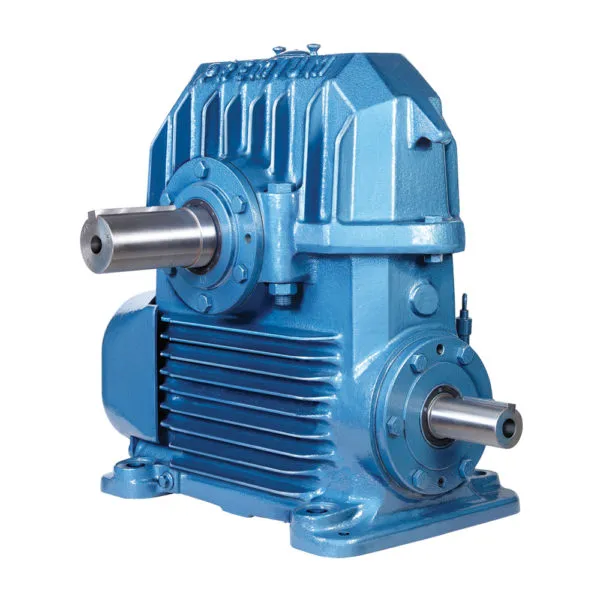
Choosing the right industrial gearbox for overhead cranes is crucial for ensuring smooth operation, efficiency, and safety. Overhead cranes are integral to lifting and moving heavy loads, and the gearbox plays a key role in transmitting power, controlling motion, and supporting the crane’s operational requirements. Here’s a closer look at the key factors to keep in mind when selecting the perfect gearbox for your overhead crane:
1. Load and Torque Handling
The gearbox you choose must be capable of handling the specific load and torque requirements of your crane. It should be sized appropriately to handle peak loads without overloading or causing damage. Ensuring the gearbox matches the load capacity of the crane will prevent premature failure and optimize performance.
2. Gear Type and Design
There are different types of gearboxes available, each offering unique advantages:
- Helical gearboxes: Provide quiet and smooth operation, making them suitable for standard operations.
- Planetary gearboxes: Known for their compact design and ability to handle high torque, making them ideal for heavy-duty applications.
- Bevel gearboxes: Used for transmitting power at right angles, offering versatility in constrained spaces. Choosing the correct type of gearbox ensures the right balance of speed, torque, and efficiency.
3. Duty Cycle
Different cranes have different operational cycles—some may be used continuously, while others may operate intermittently. Understanding your crane’s duty cycle is essential when selecting the gearbox. Overhead cranes with high operational demands require gearboxes designed for high-frequency starts, stops, and load handling.
4. Size and Space Constraints
Overhead cranes often operate in confined spaces, and the gearbox must fit within the designated area while delivering the necessary torque. Compact gearboxes, like planetary gearboxes, are ideal for cranes with space limitations, allowing for high performance without taking up too much room.
5. Environmental Conditions
Cranes are often exposed to challenging conditions, such as extreme temperatures, dust, and moisture. Choosing a gearbox made from durable, corrosion-resistant materials is crucial. Additionally, selecting sealed or lubricated-for-life gearboxes can prevent contamination and ensure longevity.
6. Safety Integration
A gearbox must seamlessly integrate with the crane's braking and control systems. This is especially important for ensuring safe load handling, precise speed control, and reliable stopping. Proper integration minimizes the risk of mechanical failures and enhances the crane's overall safety.
7. Maintenance and Durability
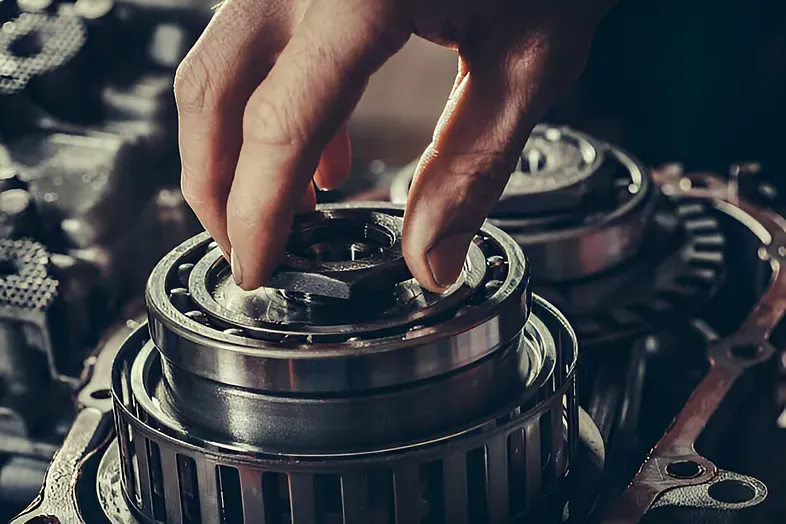
Maintenance is a critical factor in ensuring the longevity of your gearbox. Overhead cranes often operate in demanding environments, which can lead to wear and tear. Opt for a gearbox that requires minimal maintenance and is easy to service, reducing downtime and operational costs.
8. Manufacturer Support
Choosing a reliable manufacturer who provides quality products and excellent after-sales support is paramount. Partnering with a trusted provider ensures you receive not only a high-quality gearbox but also ongoing technical support, warranty services, and maintenance assistance.
Conclusion
Selecting the right industrial gearbox for overhead cranes is a vital decision that affects the crane's performance, safety, and lifespan. By considering factors such as load handling, gear type, environmental conditions, and maintenance needs, you can ensure optimal operation. Santram Engineers Pvt. Ltd. is committed to providing high-quality gearboxes designed to meet the toughest demands of overhead cranes, delivering performance and reliability for your operations.

























Sign in to leave a comment.