
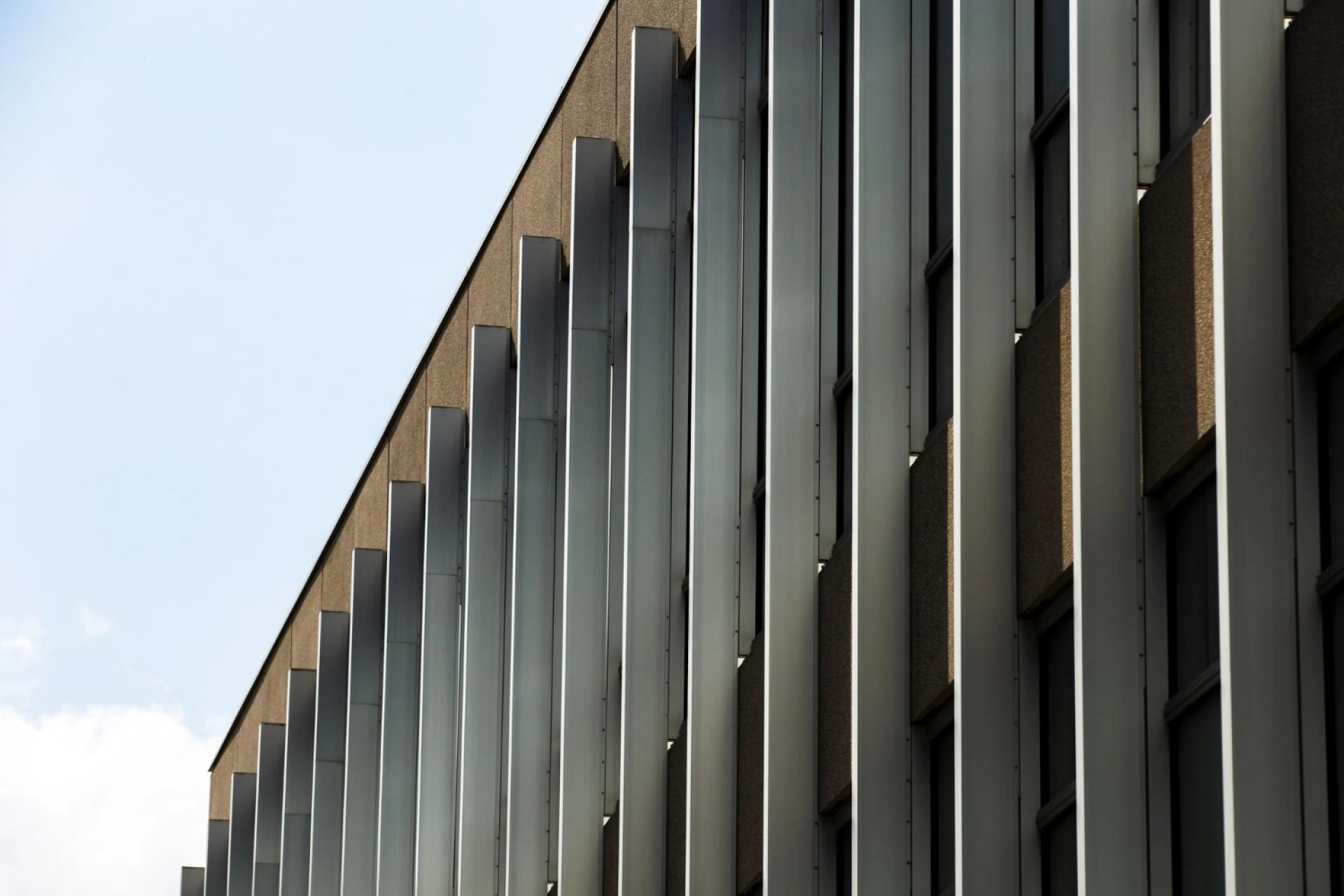
Architectural façades play a critical role in determining a building’s durability, energy efficiency, and visual identity. Among modern façade materials, zinc cladding panels are increasingly specified for their longevity, adaptability, and refined aesthetic.
However, selecting the right zinc system requires more than choosing a finish. From performance characteristics to installation detailing, several factors influence how well zinc cladding panels will perform over time.
Below are the key considerations architects, developers, and contractors should evaluate before specifying zinc cladding panels.
Understanding Zinc Cladding Panels
Zinc cladding panels are exterior façade elements made from rolled zinc sheets fabricated into panels, shingles, or interlocking systems. They are installed as a protective outer skin, often within a ventilated rainscreen system.
Zinc is valued for its ability to develop a natural patina — a protective surface layer that enhances corrosion resistance and reduces maintenance requirements. Over time, this patina gives zinc façades a distinctive matte appearance that evolves naturally.
Because zinc is lightweight, flexible, and durable, it can be used across a wide range of architectural styles, from minimalist commercial buildings to high-end residential designs.
1. Climate and Environmental Conditions
One of the first factors to consider when selecting zinc cladding panels is the environmental context of the project.
Coastal Environments
Salt exposure can accelerate surface reactions. While zinc performs well in many coastal applications, proper detailing and ventilation are essential to maintain long-term performance.
Urban Settings
Airborne pollutants may influence the rate at which patina develops. In many cases, this simply affects the appearance rather than structural integrity.
Temperature Fluctuations
Zinc naturally expands and contracts with temperature changes. Proper installation systems must allow for thermal movement to prevent stress or distortion.
Understanding the climate ensures the selected panel system performs optimally over decades.
2. Type of Zinc Panel System
Not all zinc cladding panels are installed the same way. The panel system affects both performance and visual outcome.
Standing Seam Panels
Characterized by raised vertical seams, this system provides strong weather resistance and a contemporary appearance.
Flat Lock Panels
Small interlocking panels that allow for greater design flexibility and complex geometries.
Cassette Panels
Larger, pre-fabricated panels often used in commercial applications for streamlined installation.
Perforated Zinc Panels
Used for architectural screening or decorative façade elements.
The choice depends on architectural intent, building scale, and performance requirements.
3. Ventilation and Rainscreen Design
Modern zinc cladding panels are commonly installed as part of a ventilated façade system. A rainscreen assembly includes:
- An outer zinc panel layer
- A ventilated air cavity
- A weather-resistant barrier
- Insulation and structural support
This cavity allows moisture to drain and air to circulate, reducing condensation risks and enhancing wall longevity.
Proper ventilation is crucial. Without adequate airflow, moisture can accumulate behind the panels, potentially affecting performance over time.
4. Surface Finish and Patina Expectations
Zinc is available in various finishes, including natural mill finish and pre-weathered options. The choice influences both initial appearance and long-term aesthetic evolution.
Natural zinc will gradually develop its patina over time. Pre-weathered zinc provides a more uniform appearance from the outset.
It is important to align client expectations with how zinc will change visually over the years. The evolving character is often considered one of zinc’s most desirable attributes.
5. Structural Compatibility and Substrate
Zinc cladding panels are lightweight compared to traditional masonry systems, but structural support is still essential.
Key structural considerations include:
- Substrate material compatibility
- Fixing systems that allow movement
- Wind load requirements
- Building height and exposure conditions
Proper detailing ensures that zinc panels perform as intended without buckling or stressing under environmental forces.
6. Sustainability and Environmental Impact
Sustainability is a major reason zinc is specified in modern construction.
Zinc is:
- Fully recyclable
- Long-lasting (often exceeding 60–100 years)
- Low maintenance
- Energy-efficient when used in ventilated façade systems
The long service life significantly reduces replacement frequency, lowering embodied energy over the building’s lifespan.
For projects pursuing green building certifications, zinc cladding panels can contribute positively toward sustainability goals.
7. Maintenance and Lifecycle Performance
One of the strongest advantages of zinc cladding panels is their minimal maintenance requirements.
Because the patina protects the metal naturally, zinc does not require repainting or sealing. Routine inspections and ensuring drainage systems remain clear are typically sufficient.
When evaluating cost, it is important to consider lifecycle value rather than upfront expense. Although zinc cladding panels may involve a higher initial investment compared to some alternatives, their extended lifespan and low maintenance often make them cost-effective over time.
8. Installation Expertise
Zinc is a highly workable metal, but it requires skilled installation to ensure proper detailing and weatherproofing.
Choosing experienced fabricators and installers who understand:
- Expansion allowances
- Seam integrity
- Ventilation requirements
- Correct fastening systems
is essential to achieving long-term façade performance.
Conclusion
Selecting the right zinc cladding panels involves balancing aesthetics, environmental conditions, installation systems, sustainability goals, and long-term performance expectations.
When properly specified and installed within a well-designed rainscreen system, zinc cladding panels offer exceptional durability, architectural elegance, and environmental responsibility.
For architects and developers seeking a façade solution that evolves gracefully while maintaining structural integrity, zinc remains one of the most reliable and forward-thinking material choices available.























Sign in to leave a comment.