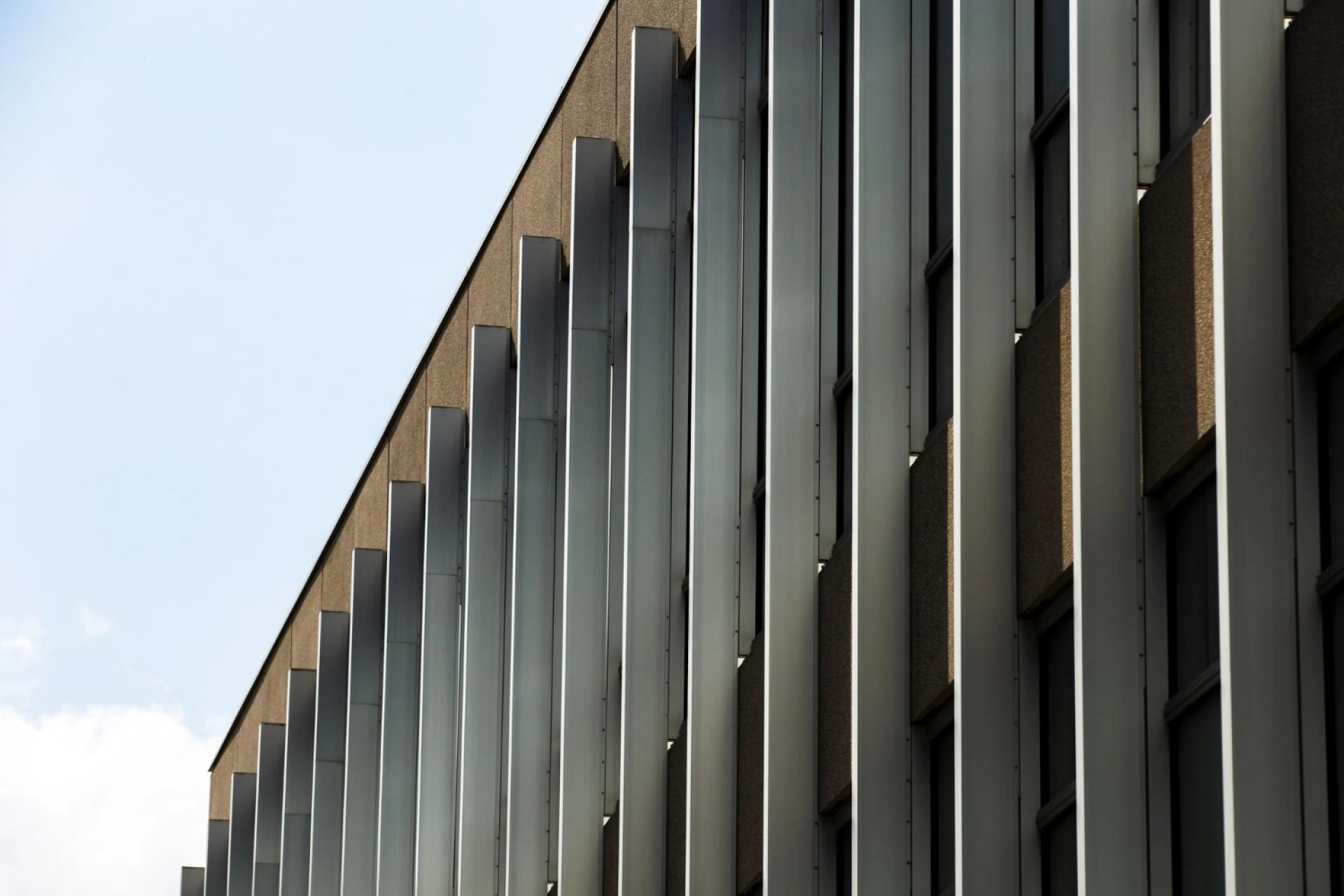

Choosing exterior cladding isn’t only about appearance. It directly impacts how a building performs in heat, rain, wind, pollution, and even fire exposure. That’s why more architects and developers are comparing metal cladding systems with traditional options such as brick, stone, wood, stucco, and fiber cement especially for modern buildings that demand long life, low maintenance, and strong design flexibility.
Brands such as VMZINC have also pushed cladding innovation through engineered façade systems that support contemporary design while improving building-envelope performance particularly through ventilated/rainscreen approaches used in modern construction.
Below are the key differences that matter most when making the right cladding decision.
1) Durability and Weather Resistance
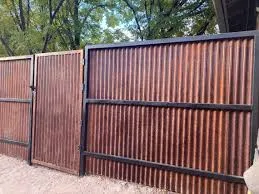
Metal cladding is engineered to handle harsh outdoor exposure UV, heavy rainfall, wind loads, and temperature swings without rotting, swelling, or cracking the way some traditional materials can. With correct detailing and suitable coatings/finishes, metal façades offer excellent resistance to corrosion and surface degradation.
Traditional materials vary widely:
- Wood can weather quickly and is vulnerable to rot/termites without regular sealing and repainting.
- Stucco can crack due to movement or moisture issues.
- Brick and stone are durable but can still face mortar deterioration and water ingress through joints over time.
2) Moisture Management and Wall Health
One of the biggest performance differences is how the system handles moisture.
Many modern metal façades are installed as rainscreen systems a ventilated outer “skin” with an air gap behind it that helps drain water and allows the assembly to dry. This reduces the risk of trapped moisture, mould growth, and long-term wall damage.
VMZINC’s façade guidance, for example, describes rainscreen principles with back-ventilation and dry joints (rather than relying heavily on sealants), which is a key reason ventilated cladding systems are preferred in modern envelope design.
Traditional claddings can also be detailed for moisture control, but many rely more heavily on membranes, sealants, and surface integrity meaning long-term performance can be more dependent on maintenance and correct workmanship.
3) Maintenance and Lifecycle Effort
Metal cladding is generally lower maintenance: periodic inspection, occasional washing, and checking fixings/joints is often enough. Fewer repaint cycles and less patch repair are needed when the system is specified and installed properly.
By comparison:
- Wood cladding typically requires routine painting/sealing and closer monitoring.
- Stucco may need crack repairs and repainting to maintain water resistance.
- Brick is relatively low maintenance but may need repointing over time.
4) Fire Behaviour and Safety Considerations
Fire performance is now a major decision factor, particularly for commercial projects and multi-storey buildings. In general, metal cladding panels (as materials) are non-combustible, but the overall fire performance depends on the complete system including insulation type, cavity barriers, and installation design.
Traditional claddings vary:
- Brick/stone perform well in fire.
- Wood is combustible (even if treated).
- Some “traditional-looking” systems may include combustible layers behind the finish.
The key takeaway: choose cladding based on verified system performance and project requirements, not just the face material.
5) Aesthetics and Design Flexibility
A major reason metal cladding ranks high in modern architecture is design freedom: sleek lines, crisp junctions, curved forms, standing seam profiles, perforations, and a wide variety of finishes.
Traditional materials deliver classic character and texture (brick/stone/wood), but they’re often more limited in shaping and achieving ultra-modern façade geometries especially when lightweight solutions are preferred for retrofit or high-rise applications.
VMZINC’s zinc façade systems are widely specified where architects want a premium metallic finish that complements contemporary forms while still supporting rainscreen design principles.
6) Sustainability and End-of-Life Value
Sustainability is no longer optional. Many metals used in metal cladding are recyclable, and a key advantage is that metal can have strong end-of-life recovery value compared with materials that are harder to reclaim.
Traditional materials can also be sustainable especially responsibly sourced timber but maintenance intensity, coatings, and replacement frequency can reduce sustainability benefits over decades.
Rainscreen systems can also support energy goals when combined with appropriate insulation and ventilation strategy, improving the building envelope’s overall performance.
7) Cost: Upfront vs Long-Term Value
Traditional cladding may appear cheaper at first glance. But the more accurate comparison is lifecycle cost:
- Metal cladding can reduce ongoing repainting/repairs.
- Faster installation and lighter weight can reduce structural or labour impacts in some projects.
- Long-term performance can translate into fewer façade interventions.
This is why many ranking articles conclude that metal cladding often wins on long-term value, even if upfront costs are higher.
Conclusion
If your priority is modern aesthetics, predictable performance, moisture-smart design, and reduced long-term maintenance, metal cladding is often the stronger choice especially when specified as a well-designed rainscreen system. Traditional cladding materials still have a place where heritage character, local style, or specific budget constraints dominate, but they may demand more upkeep or have greater limitations in modern façade engineering.
For contemporary projects, solutions like VMZINC façade systems show why metal cladding continues to grow: engineered rainscreen logic, architectural flexibility, and durable performance all aligned with what modern buildings need from their exterior envelope.






















Sign in to leave a comment.