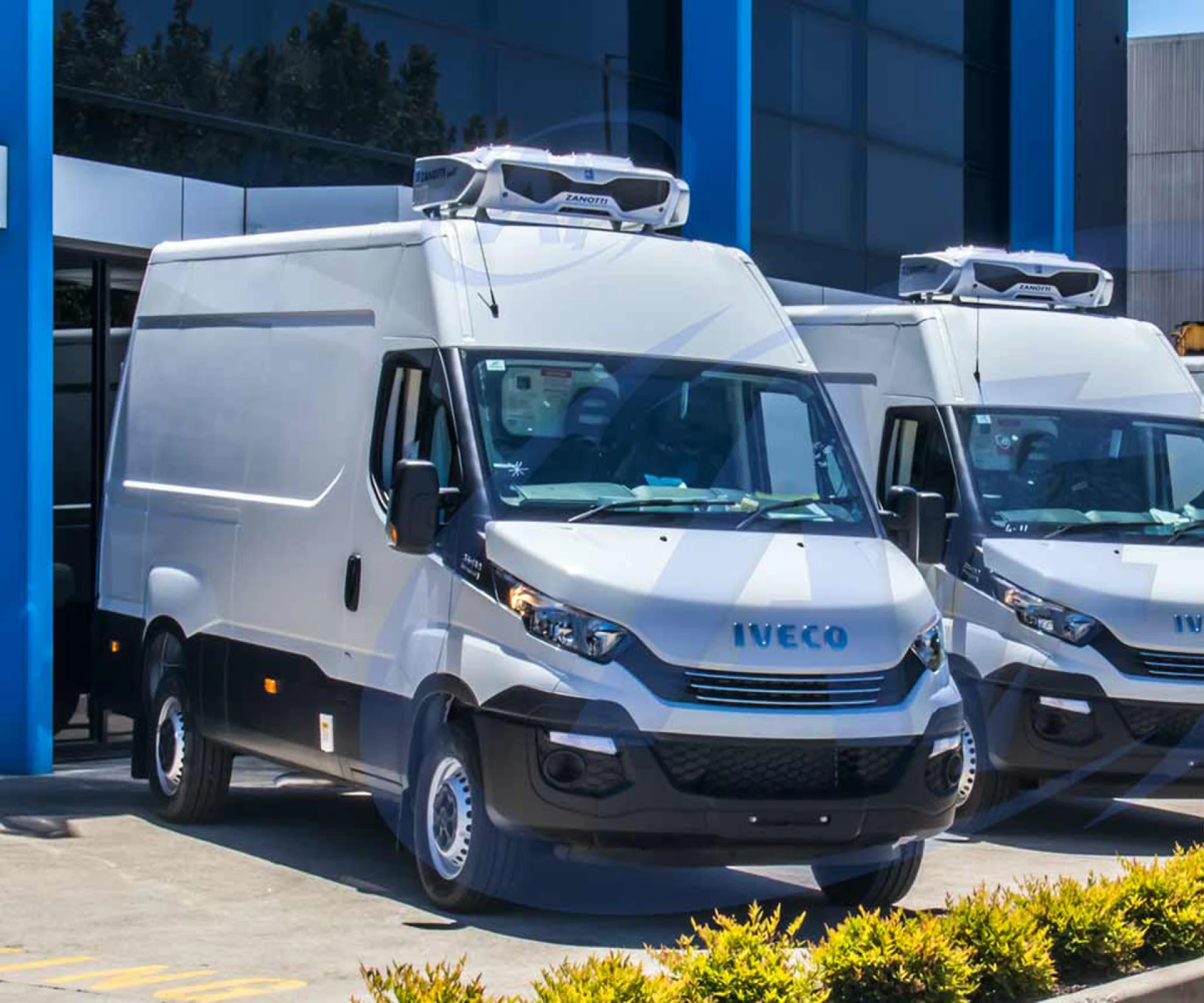
For businesses that rely on temperature controlled transport, choosing the right equipment is one of the most important decisions you can make. From food distribution to pharmaceuticals, maintaining the correct temperature during transit protects product quality and helps build trust with customers. Modern transport refrigeration units play a key role in keeping goods fresh and compliant with safety standards.
However, not all systems are the same. When investing in refrigeration equipment for vans and trucks, it is important to look beyond basic cooling performance. Reliability, ease of operation, long term value, and overall user experience all contribute to how well the system supports your business. By understanding the key features that matter most, you can choose a solution that works efficiently today while supporting your operations in the future.
Reliable Cooling Performance
The primary function of any refrigeration system is to maintain consistent temperatures during transport. A quality unit should be capable of holding steady temperatures even when outside conditions change or when vehicle doors are opened frequently during deliveries.
Reliable cooling performance ensures that sensitive products such as fresh food, dairy, flowers, or medical supplies remain protected throughout the journey. A dependable system also reduces the risk of spoilage and financial losses. When evaluating refrigeration equipment, look for units designed to deliver stable performance across a wide range of operating conditions.
Consistency is especially important for businesses that handle strict temperature requirements. A reliable system helps ensure products arrive in the same condition they left the warehouse.
Easy Operation for Drivers and Operators
A refrigeration system should support the people who use it every day. Drivers and operators often manage multiple tasks during a delivery route, so equipment that is simple and intuitive can make a big difference.
User friendly controls, clear temperature displays, and straightforward monitoring systems help drivers quickly check that everything is working properly. This reduces stress during busy delivery schedules and allows operators to focus on their route rather than troubleshooting equipment.
Ease of operation also helps new staff learn the system quickly. When controls are clear and easy to understand, training time becomes shorter and mistakes are less likely to occur.
Durability and Build Quality
Refrigeration units installed on vehicles must withstand demanding conditions. Daily deliveries, road vibrations, varying weather conditions, and frequent loading all place stress on equipment. That is why build quality is a critical factor when selecting a system.
Well designed units use durable components and protective housing to handle these challenges. Strong construction improves reliability and reduces the chance of breakdowns during important deliveries.
Quality equipment also tends to require fewer repairs over time, which helps keep vehicles on the road and operating efficiently. Investing in durability upfront often saves money and frustration later.
Versatility for Different Business Needs
Many businesses transport more than one type of product. A versatile refrigeration system can support different temperature ranges and delivery requirements, making it easier to adapt as operations grow.
For example, a company may deliver frozen goods one day and chilled produce the next. Flexible systems allow operators to adjust temperature settings to suit different cargo types. This adaptability helps businesses respond to new opportunities without needing additional vehicles or equipment.
Midway through the decision process, businesses often compare several transport refrigeration units to determine which option best matches their current needs while leaving room for future growth.
Comfort and Practical Design
Comfort may not seem like an obvious factor when choosing refrigeration equipment, but it can have a noticeable impact on daily operations. Systems that run quietly and efficiently help create a better working environment for drivers and nearby communities.
Practical design features also make day to day tasks easier. Easy access for maintenance, clear control panels, and compact unit designs all contribute to smoother vehicle operation. These small details can improve productivity and reduce downtime over the life of the equipment.
When equipment works seamlessly in the background, drivers can focus on delivering excellent service to customers.
Read More : Key Factors to Consider When Installing Refrigeration Systems in Delivery Vans
Long Term Value and Maintenance Support
Buying refrigeration equipment should be viewed as a long term investment rather than a short term purchase. While upfront costs matter, it is equally important to consider operating efficiency, maintenance requirements, and overall lifespan.
Units that are designed for easy servicing and dependable performance often deliver better long term value. Regular maintenance helps extend equipment life and ensures reliable operation throughout busy delivery schedules.
Support from experienced technicians and reliable service providers also contributes to a positive customer experience. When businesses know help is available when needed, they can operate with greater confidence.
Sustainability and Smarter Decisions
Sustainability has become an important consideration for many businesses in the transport industry. Modern refrigeration systems are increasingly designed to reduce energy consumption while maintaining strong cooling performance.
Choosing efficient equipment can help lower fuel use and reduce environmental impact. It also supports businesses that want to operate more responsibly and meet evolving expectations from customers and partners.
Thoughtful purchasing decisions today can create benefits that extend well into the future.
Meeting Changing Customer Expectations
Customer expectations continue to evolve, especially when it comes to product quality and reliability. Whether transporting fresh food, temperature sensitive medicine, or specialty products, businesses must maintain strict temperature control throughout the delivery process.
Reliable refrigeration equipment supports this goal by ensuring goods arrive in excellent condition. It also helps businesses build strong relationships with customers who depend on consistent delivery standards.
Investing in the right technology helps companies stay competitive in an industry where reliability and trust are essential.
Conclusion
Choosing the right refrigeration system for vans and trucks involves more than selecting a unit that simply cools cargo. Reliability, ease of use, durability, versatility, and long term value all play a role in supporting efficient operations and positive customer experiences.
When businesses carefully evaluate these features, they can confidently select transport refrigeration units that meet both current needs and future goals. At Auto Frigo, we understand the importance of dependable vehicle refrigeration and work with businesses to provide solutions that keep deliveries running smoothly while protecting the quality of temperature sensitive goods.



























Sign in to leave a comment.