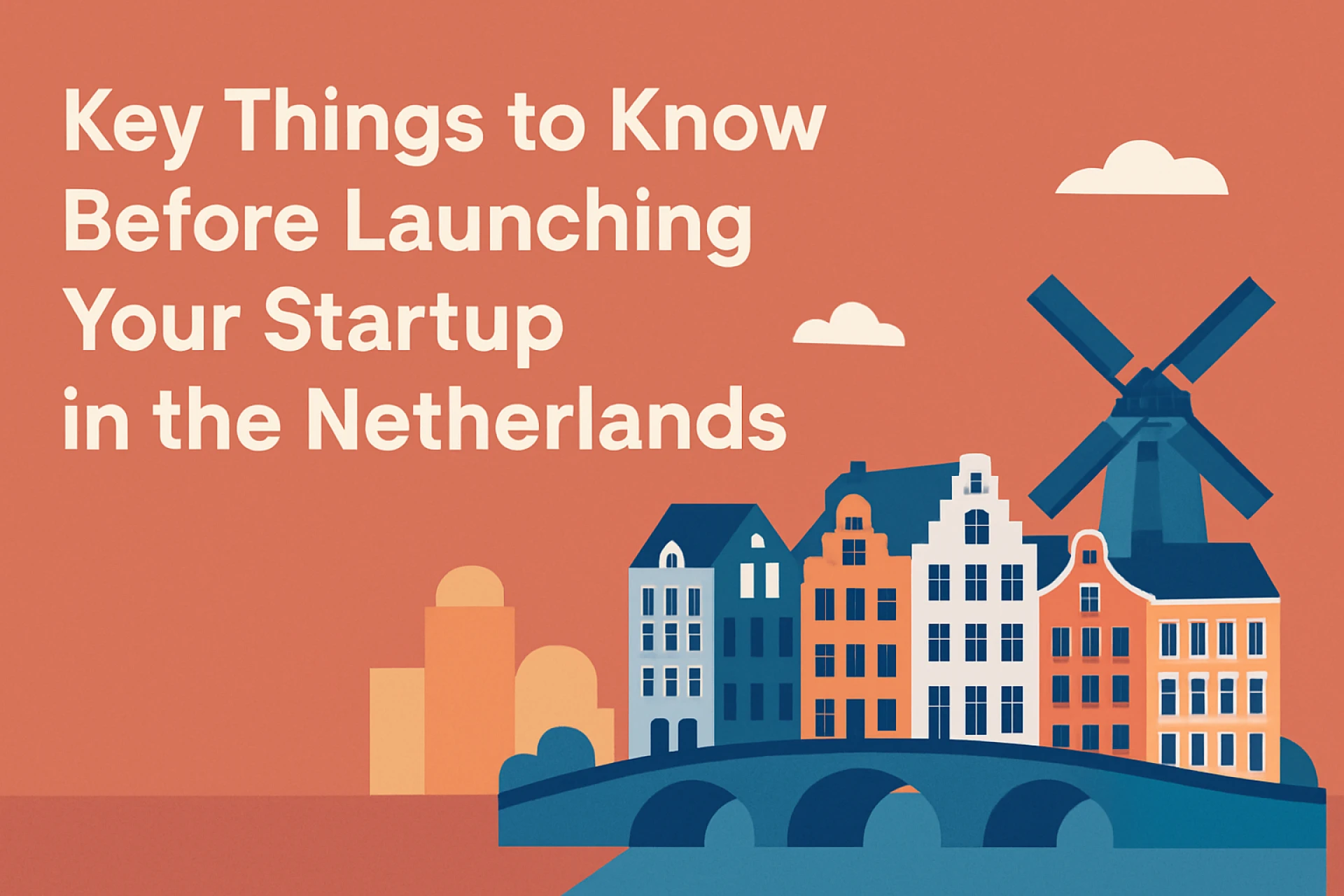

The Netherlands has earned a global reputation as one of the most business-friendly nations in Europe. With its strategic location, excellent infrastructure, multilingual workforce, and supportive government policies, it’s no wonder that thousands of entrepreneurs choose to set up their companies here every year.
If you’re considering expanding into the Dutch market, here are the essential things you need to know before getting started.
1. Choosing the Right Legal Structure
One of your first decisions will be selecting the right business structure. Popular options include:
- Eenmanszaak (Sole Proprietorship) – Simple and cost-effective, ideal for solo entrepreneurs.
- BV (Besloten Vennootschap) – A private limited company that protects personal liability and is attractive to investors.
- VOF (General Partnership) – Best for two or more partners sharing equal responsibility.
- CV (Limited Partnership) – Allows silent partners to invest without active management.
Your choice will affect your taxes, liability, and compliance obligations, so professional advice is recommended.
2. Picking the Right Location
The Netherlands offers several business hubs, each with unique strengths:
- Amsterdam – Tech startups, creative industries, finance.
- Rotterdam – Logistics, shipping, and trade.
- Eindhoven – High-tech manufacturing and R&D.
Selecting the right city can influence your network opportunities, cost of operations, and access to talent.
3. Understanding the Registration Process
To officially start a business, you must register with the Kamer van Koophandel (KVK) – the Dutch Chamber of Commerce. The process involves:
- Booking an appointment.
- Bringing valid identification and required documents.
- Paying the registration fee (around €50).
Once registered, your details are automatically passed to the Dutch Tax Authorities.
4. Banking & Taxes
Opening a Dutch business bank account makes transactions smoother and builds credibility.
Taxes to be aware of include:
- VAT (BTW) – Standard rate is 21%, with reduced rates for some goods/services.
- Corporate Income Tax – 19% for profits up to €200,000, 25.8% for higher amounts.
- Payroll Taxes – For businesses with employees.
5. Budgeting Startup Costs
Beyond registration, expect expenses such as:
- Notary fees for BV setup (€500–€1,500).
- Annual accounting and legal services (€500–€5,000).
- Office or co-working space rent (€200–€1,000/month).
Factoring these early helps avoid cash flow issues.
6. Permits and Compliance
Depending on your sector, you may need extra permits:
- Food industry – Health & safety certification.
- Import/export – Customs and trade licenses.
- Environmental impact – For manufacturing businesses.
7. Leveraging Support Systems
The Dutch government offers multiple schemes for startups, including:
- Innovation Box – Reduced corporate tax rate for innovative profits.
- RVO Grants – Funding and subsidies for sustainable and innovative projects.
- Startup Visa – For non-EU entrepreneurs with a feasible business plan.
Conclusion
The Netherlands offers a stable, well-connected, and innovation-driven environment for business growth. By understanding legal, financial, and operational requirements in advance, you can start strong and avoid common pitfalls.
If you want a complete step-by-step breakdown of the registration process, including compliance tips for foreign entrepreneurs, read our detailed guide here: Start a Business in the Netherlands – Ease to Compliance.



























Sign in to leave a comment.