

Math is one of the most important skills children need, yet it is also one of the most commonly feared subjects. Many kids struggle not because they lack ability, but because traditional teaching methods fail to match how children actually learn. This is where a Kids Maths Learning App plays a powerful role—by turning abstract numbers into interactive, meaningful experiences.
Why Kids Often Struggle With Math
For many children, math feels confusing and overwhelming. Long worksheets, time pressure, and fear of making mistakes can quickly kill confidence. According to general education studies, nearly 60% of elementary-age students experience math anxiety at some level. When kids feel stressed, learning slows down.
The issue is rarely intelligence. It’s presentation. Children learn best when lessons are visual, hands-on, and connected to real life. Apps designed specifically for kids can bridge this gap far more effectively than textbooks alone.
How a Kids Maths Learning App Changes the Experience
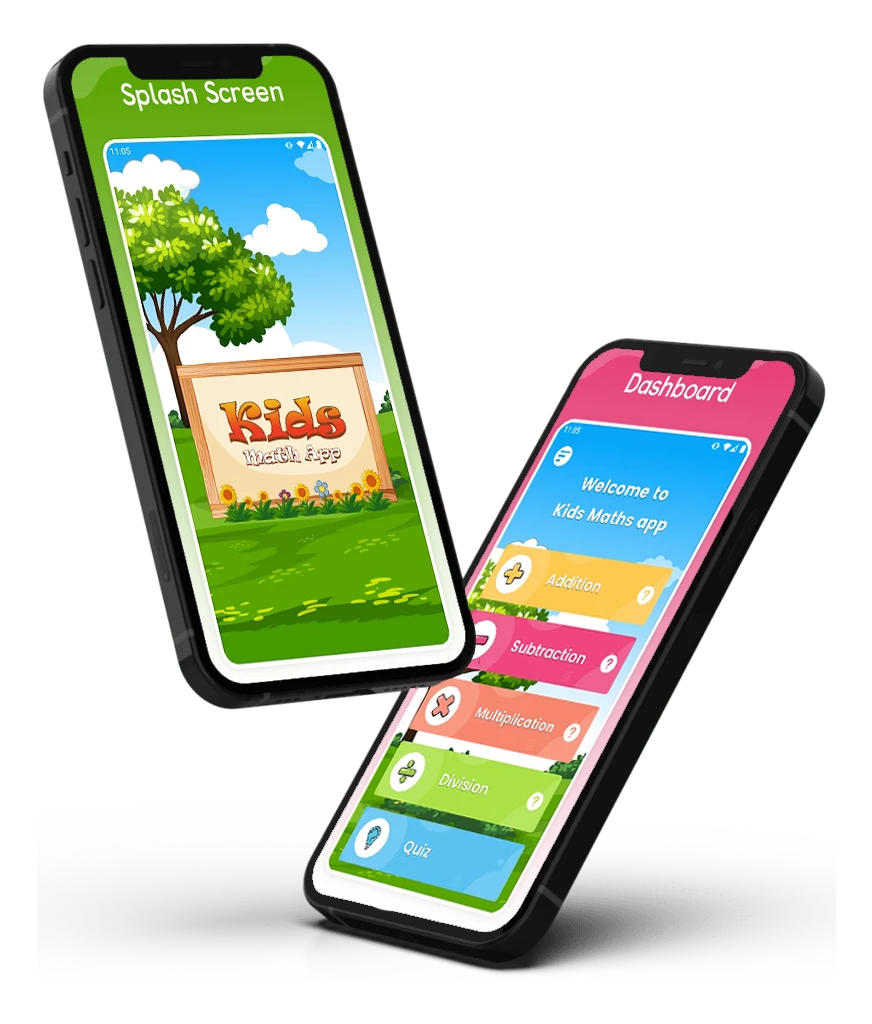
A Kids Maths Learning App transforms math from a passive subject into an active one. Instead of memorizing numbers, children interact with them. They tap, drag, solve, and experiment. This active participation improves understanding and memory retention.
For example, rather than reading about addition, a child might help a character collect apples by solving simple sums. This connects math to a goal, making it feel purposeful instead of forced.
Learning at a Child’s Own Pace
One major advantage of digital learning apps is flexibility. Every child learns differently. Some grasp concepts quickly, while others need repetition. In a classroom, teachers often don’t have time to slow down or personalize lessons for each student.
A maths learning app allows children to progress at their own pace. If they struggle with subtraction, they can practice more without embarrassment. If they master a concept early, they can move ahead without waiting. This self-paced learning builds confidence and reduces frustration.
Real-Life Situations That Make Math Relatable
Children understand math better when they see how it applies to everyday life. Good learning apps use familiar situations to explain concepts.
For instance:
- Counting coins while buying snacks
- Measuring ingredients while cooking
- Dividing toys equally among friends
These examples help kids realize that math isn’t just a school subject—it’s a life skill. When children recognize math in their daily routines, learning becomes natural and meaningful.
Encouraging Consistency Without Pressure
Consistency is key to mastering math, but forcing long study sessions often backfires. Short, engaging app-based lessons work better. Research suggests that children retain information more effectively through frequent, short practice sessions rather than long, stressful ones.
A Kids Maths Learning App fits easily into daily routines. Ten minutes after school or before bedtime is enough to reinforce concepts without overwhelming the child. This steady exposure builds strong foundations over time.
Visual Learning and Interactive Design
Young learners respond strongly to visuals. Colors, animations, and interactive elements help explain concepts that words alone cannot. For example, seeing objects grouped visually makes multiplication easier to understand than reading equations on a page.
Interactive feedback is another benefit. When a child makes a mistake, the app can guide them gently instead of marking answers wrong. This encourages experimentation and reduces fear of failure.
Supporting Parents and Teachers
Math learning apps don’t replace parents or teachers—they support them. Parents often struggle to explain math concepts clearly, especially if teaching methods have changed since their own school days. Apps provide structured guidance that parents can rely on.
Platforms like Edugamingappworld focus on blending education with engagement, helping children practice math skills while parents track progress without constant supervision.
Building Confidence Early Matters
Confidence in math during early years strongly influences future academic performance. Children who feel capable are more likely to take on challenges and persist through difficulties. Those who fall behind early often carry that fear into higher grades.
By using a Kids Maths Learning App early, children build familiarity and comfort with numbers. This early confidence can shape how they approach problem-solving throughout their education.
Preparing Kids for a Digital Future
Today’s children are growing up in a digital world. Learning through technology isn’t a distraction—it’s preparation. When used correctly, educational apps teach not only math but also logical thinking, focus, and independent learning.
When thoughtfully designed, a single app can support classroom learning, homework practice, and skill reinforcement at home. Edugamingappworld is one example of how digital tools can align education with modern learning habits.
Conclusion
Math doesn’t have to be stressful, boring, or intimidating. With the right approach, it can become engaging, practical, and even enjoyable. A well-designed Kids Maths Learning App helps children learn at their own pace, connect math to real life, and build confidence through consistent practice.
When learning feels fun and meaningful, children don’t just improve their math skills—they develop a positive attitude toward learning itself. And that mindset is far more valuable than any test score.


























Sign in to leave a comment.