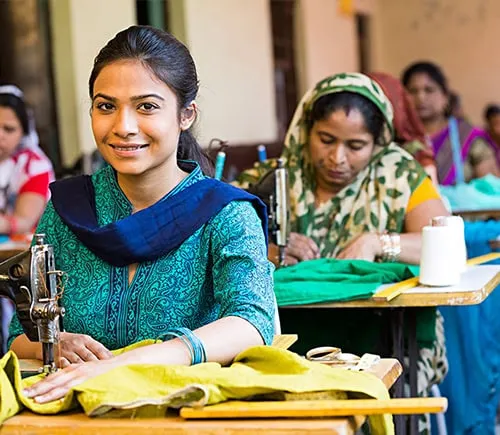

A society cannot achieve sustainable development when a significant part of its population does not have equal access to opportunities. Women contribute significantly to families, workplaces, businesses, educational institutions, and communities, yet many continue to encounter barriers that affect their personal and professional growth.
Women Empowerment in India is therefore more than a social development objective. It is an important part of building a stronger, more inclusive, and economically productive society.
Empowerment gives women the opportunity to develop their abilities, make informed decisions, become financially independent, and participate actively in the communities around them. Organizations such as Manav Vikas Sanstha (MVS) can support this journey through community-focused development and awareness initiatives.
Moving Beyond Traditional Ideas of Empowerment
Women empowerment should not be understood only as providing financial assistance or employment. It is a broader process involving knowledge, confidence, freedom of choice, participation, and access to resources.
A woman can be considered empowered when she has the confidence and opportunity to make decisions about important aspects of her life.
This may include decisions related to:
- Education
- Career
- Financial planning
- Family responsibilities
- Entrepreneurship
- Personal development
- Community participation
- Leadership
The objective is to create an environment where women can identify their abilities and use them without unnecessary social or economic restrictions.
Education Can Change Generations
Education is one of the most effective tools for creating long-term social change. It gives women the ability to access information, develop professional skills, understand opportunities, and make informed choices.
The impact of women's education can also extend to the next generation. Educated mothers can play an important role in encouraging children to learn and develop healthy attitudes toward education.
For this reason, supporting girls' schooling, adult education, vocational learning, and continuing education should remain a major part of Women Empowerment in India.
Education should also be accessible beyond traditional classrooms. Digital learning, vocational programs, workshops, and community training can provide additional opportunities for women who cannot follow conventional educational paths.
Creating Pathways to Economic Independence
Economic independence can give women greater confidence and decision-making power. Having an income allows women to contribute directly to household finances and plan for their own goals.
Employment is one route, but it is not the only one. Women can also build income through entrepreneurship, freelancing, agriculture-related activities, handicrafts, home-based businesses, and professional services.
However, starting an income-generating activity often requires more than an idea. Women may need training in areas such as:
- Budgeting
- Customer service
- Business planning
- Marketing
- Digital tools
- Record keeping
- Product development
- Communication
Providing practical knowledge can help transform skills into sustainable economic opportunities.
Supporting Rural and Underserved Women
Women living in rural and underserved communities may face additional difficulties in accessing education, employment, technology, healthcare, and financial services.
Community-level initiatives can help identify these challenges and develop solutions that are appropriate for local circumstances.
Instead of applying the same approach everywhere, empowerment programs can consider the specific needs of each community. Local participation is particularly important because people living in a community often have the best understanding of its challenges and available resources.
Women's Health and Social Development
Health is closely connected to empowerment. A woman who has access to reliable healthcare information and appropriate services is better positioned to make informed decisions about her well-being.
Community awareness can encourage women to learn more about nutrition, hygiene, preventive care, maternal health, and other important aspects of well-being.
Health awareness should also be combined with education and social support. When women have accurate information and know where to seek assistance, they can make more informed choices for themselves and their families.
Financial Literacy: A Skill for Everyday Life
Financial literacy is often overlooked when discussing women's empowerment. Yet understanding money is essential for independence.
Financial education can help women understand concepts such as saving, budgeting, responsible borrowing, banking, insurance, and long-term financial planning.
Even basic financial knowledge can make a meaningful difference. A woman who understands how to manage her income and expenses may feel more confident when making financial decisions.
This is why financial literacy can complement employment and entrepreneurship initiatives.
Women in Entrepreneurship
Entrepreneurship provides women with the possibility of creating their own sources of income while developing professional independence.
A small business can begin with a simple idea and gradually grow through experience, customer feedback, and better planning.
Women entrepreneurs may work in areas such as:
- Food production
- Clothing and tailoring
- Handcrafted products
- Beauty and personal services
- Retail
- Education and tutoring
- Digital services
- Agriculture and allied activities
Training, mentorship, market awareness, and digital knowledge can help women overcome some of the challenges associated with running a business.
Technology Is Opening New Doors
Digital transformation has changed the way people learn and work. Women who gain digital skills can access information and opportunities that may previously have been unavailable to them.
A smartphone and internet connection can provide access to online courses, digital payments, business promotion, professional networking, and employment platforms.
Digital literacy can therefore become an important component of modern Women Empowerment in India.
Teaching women how to use technology safely and effectively can help them become more independent in both personal and professional activities.
Building Confidence Through Community Participation
Confidence often develops through participation. When women are encouraged to attend community meetings, training sessions, workshops, and local development activities, they gain opportunities to express their opinions and interact with others.
Community participation can help women develop:
- Communication abilities
- Leadership qualities
- Decision-making skills
- Problem-solving capabilities
- Networking opportunities
- Social confidence
These qualities can help women participate more actively in their families, workplaces, and communities.
How NGOs Can Support Women's Development
Non-governmental organizations can contribute significantly to grassroots development. Their connection with local communities allows them to identify problems and create programs that respond to practical needs.
Manav Vikas Sanstha (MVS) is involved in community-oriented social development and can contribute to initiatives related to education, awareness, healthcare, women's development, and broader community welfare.
Effective NGO programs can focus on creating long-term capabilities rather than only providing temporary support. The goal should be to help individuals and communities become more knowledgeable, skilled, confident, and capable of creating sustainable change.
Families Have an Important Role
Women's empowerment begins at home. Families can influence how girls and women view education, careers, independence, and decision-making.
Parents can support their daughters by encouraging education and allowing them to explore their interests. Family members can also share household responsibilities so that women have adequate time to pursue education, employment, or personal development.
When equality is encouraged within families, it can gradually influence attitudes throughout the community.
Creating Opportunities for Future Generations
Empowerment has a long-term effect. When today's women gain knowledge and independence, they can influence the expectations and opportunities available to the next generation.
A confident woman can become a mentor for another woman. A successful entrepreneur can inspire young girls. An educated mother can encourage her children to pursue learning.
This creates a positive chain reaction in which progress is shared across families and communities.
The Road Ahead
There is no single solution to women's empowerment. Different communities require different forms of support, and progress depends on consistent efforts.
Education must work alongside economic opportunities. Skill development should be supported by access to markets. Digital literacy should be combined with responsible technology use. Healthcare awareness should be supported by accessible services.
Most importantly, women should be viewed as active contributors to development rather than simply recipients of assistance.
Conclusion
Women Empowerment in India is about creating genuine opportunities for women to build independent and fulfilling lives. Education, financial literacy, entrepreneurship, healthcare awareness, technology, leadership, and community participation can all contribute to this goal.
The process requires cooperation from individuals, families, communities, institutions, and social organizations. Through its community-focused efforts, Manav Vikas Sanstha (MVS) can contribute to creating awareness and opportunities that support women's development.
When women are given the knowledge, resources, and confidence to reach their potential, the benefits extend beyond individual lives. Families become stronger, communities become more resilient, and society moves closer to inclusive and sustainable progress.
























Sign in to leave a comment.