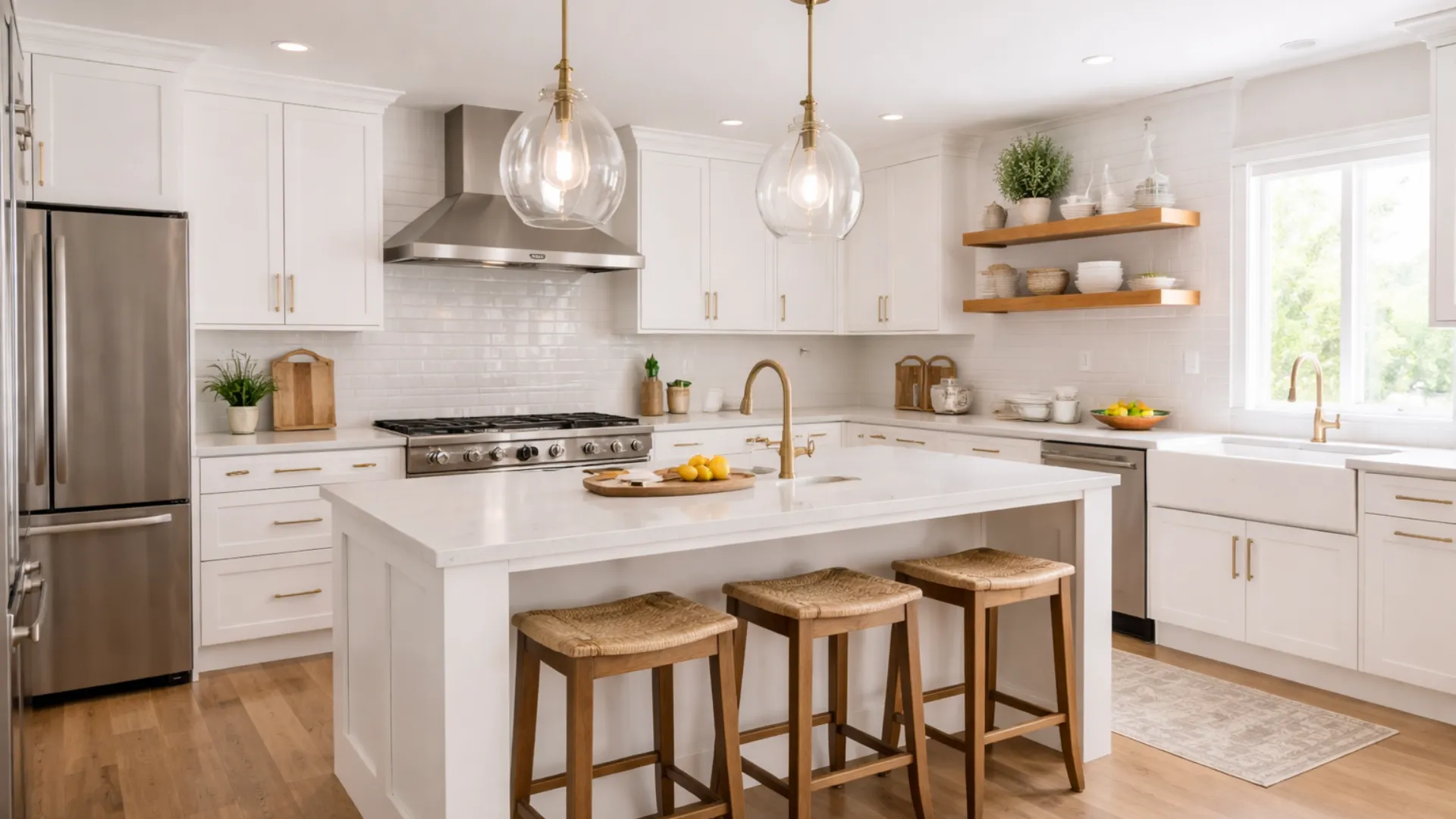

Kitchen remodeling is one of the most valuable home improvement projects because it improves everyday living while increasing property value. However, it also involves multiple decisions related to layout, cabinetry, plumbing, electrical systems, appliances, flooring, lighting, and ventilation.
Many homeowners focus primarily on aesthetics, only to discover later that poor planning affects functionality and creates unnecessary expenses. Understanding the most common Kitchen Remodel Mistakes before starting a renovation can help ensure a smoother project and better results.
1. Starting Without a Complete Budget
One of the biggest remodeling mistakes is creating a budget that only covers visible upgrades. Hidden costs often arise once demolition begins, especially in older homes.
A complete remodeling budget should account for:
- Cabinets and countertops
- Flooring
- Plumbing and electrical upgrades
- Lighting fixtures
- Appliances
- Labor costs
- Building permits
- Unexpected structural repairs
Experts generally recommend setting aside an additional contingency budget to cover unforeseen issues such as water damage, outdated wiring, or plumbing repairs.
2. Ignoring Kitchen Functionality
A beautiful kitchen should also be practical.
One of the most recognized design principles is the Kitchen Work Triangle, which places the sink, refrigerator, and cooktop within easy reach. While modern kitchens vary in layout, efficient workflow remains essential.
Homeowners should also consider:
- Adequate countertop space
- Comfortable walking paths
- Convenient appliance placement
- Easy access to storage
Function-first designs improve both cooking efficiency and daily comfort.
3. Choosing Trendy Materials Over Durable Ones
Design trends change frequently, but kitchens are expected to last for many years.
Instead of selecting materials based only on appearance, prioritize durability by choosing:
- Quartz or granite countertops
- Moisture-resistant flooring
- Solid wood or high-quality plywood cabinets
- Durable cabinet hardware
- Easy-to-clean backsplashes
Quality materials typically require less maintenance and perform better over time.
4. Underestimating Storage Needs
Insufficient storage is a common regret after remodeling.
Well-designed kitchens include practical storage solutions such as:
- Deep drawers
- Pull-out pantry shelves
- Corner cabinet organizers
- Vertical tray storage
- Spice pull-outs
- Tall pantry cabinets
Efficient storage keeps countertops organized while maximizing available space.
5. Poor Lighting Design
Lighting affects both appearance and functionality.
Rather than relying on a single ceiling fixture, combine different lighting types:
- Ambient lighting for overall illumination
- Task lighting beneath cabinets
- Accent lighting for decorative features
- Pendant lighting over islands or dining areas
Layered lighting creates a brighter, safer, and more inviting kitchen.
6. Forgetting Ventilation
Kitchen ventilation is often overlooked during remodeling.
A properly sized range hood helps:
- Remove smoke and cooking odors
- Reduce grease buildup
- Improve indoor air quality
- Control excess moisture
Good ventilation contributes to a healthier and more comfortable cooking environment.
7. Overlooking Energy Efficiency
Modern remodeling projects offer opportunities to reduce long-term utility costs.
Consider installing:
- ENERGY STAR® appliances
- LED lighting
- Water-efficient faucets
- Energy-efficient windows
- Smart thermostats where applicable
These upgrades improve sustainability while lowering energy consumption.
8. Hiring Without Research
Selecting a contractor based solely on price can lead to delays, poor workmanship, or unexpected costs.
Before hiring, homeowners should verify:
- Licensing requirements
- Insurance coverage
- Previous remodeling experience
- Customer reviews
- Written estimates
- Project timelines
Thorough research helps reduce risks and improves project outcomes.
Kitchen Remodeling Considerations for Parkersburg Homes
Many homes in Parkersburg, West Virginia were built decades ago and may require updates to plumbing, electrical wiring, insulation, or ventilation before cosmetic improvements begin. Identifying these issues during the planning phase helps avoid costly surprises once construction is underway.
Local climate conditions should also influence material selection. Moisture-resistant flooring, durable cabinetry finishes, and proper ventilation are particularly important for maintaining a kitchen's appearance and performance over time.
Conclusion
Avoiding common Kitchen Remodel Mistakes starts with careful planning, realistic budgeting, and prioritizing function alongside style. For homeowners considering kitchen remodeling Parkersburg, taking the time to evaluate layout, storage, lighting, ventilation, and durable materials can prevent costly setbacks and create a kitchen that remains attractive, efficient, and valuable for many years.
Frequently Asked Questions
What is the biggest kitchen remodeling mistake?
Poor planning is the most common mistake. A detailed budget, functional layout, and realistic timeline help prevent expensive changes later.
Why is storage important during kitchen remodeling?
Adequate storage improves organization, reduces countertop clutter, and makes the kitchen easier to use every day.
How can homeowners avoid going over budget?
Create a detailed budget, compare material costs, and reserve additional funds for unexpected repairs or upgrades.
Are expensive materials always better?
Not necessarily. The best materials balance durability, maintenance requirements, appearance, and overall value.
Does kitchen remodeling increase home value?
A well-planned kitchen remodel can significantly improve both everyday functionality and resale appeal, especially when quality materials and practical design choices are used.



























Sign in to leave a comment.