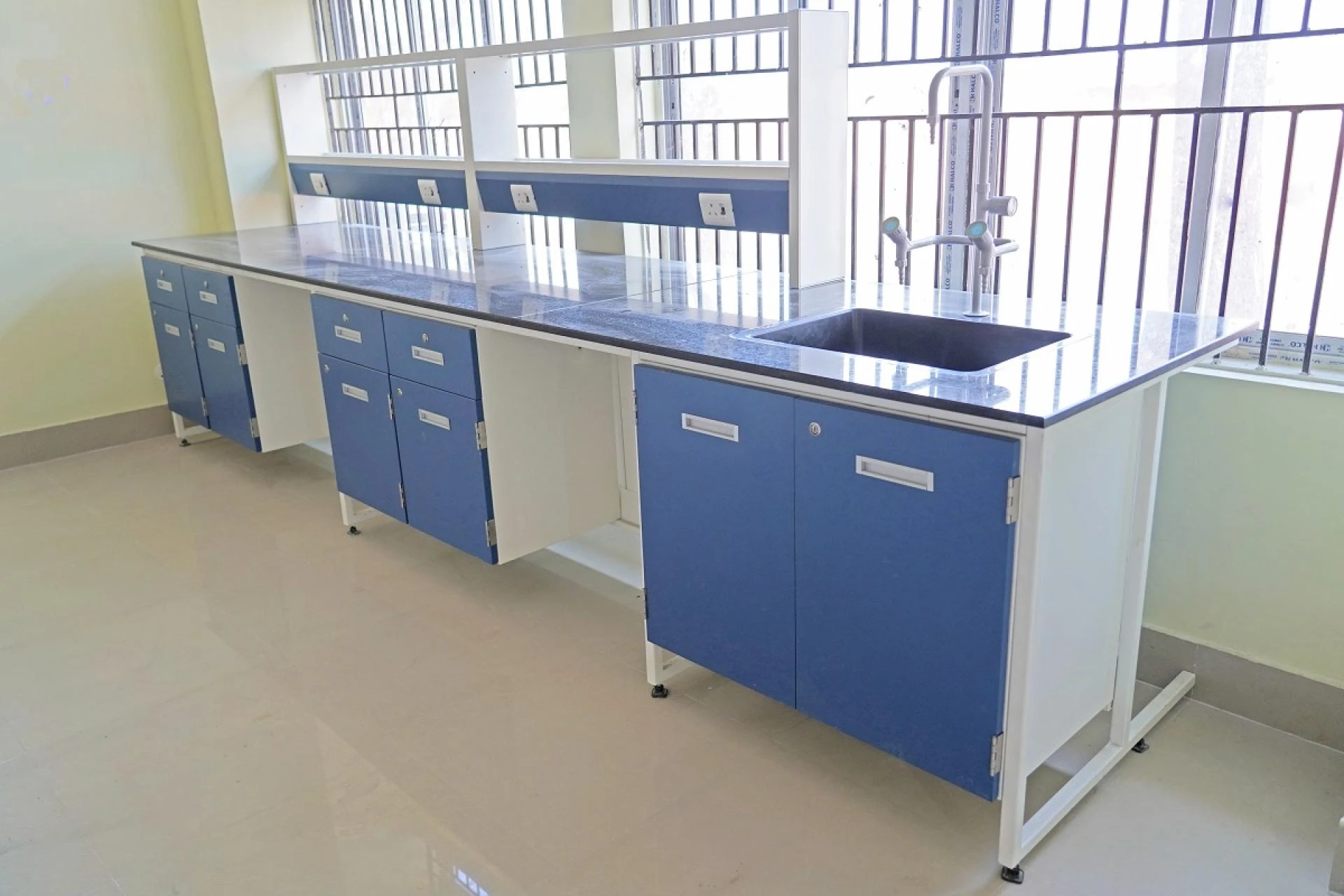

Safety is always a high priority when working in a laboratory because it is always a major worry. Lab safety equipment is necessary to safeguard employees, prevent mishaps, and create a secure working environment. Furthermore, whether you are a seasoned researcher or just starting, knowing and using this safety strategy is essential for a successful and secure laboratory experience. Though we see today, many modern laboratory designs contain features that are essential for your protection and easy workflow. But still, there are numerous kinds of safety equipment that you require for yourself. In this complete guide, you will learn about lab protection equipment's advantages as well as its significance. But let us first understand what lab safety equipment is.
Understanding Lab Safety Equipment
The term "lab safety equipment" describes a variety of specific instruments and gear created to safeguard people against potential risks prevalent in laboratory settings. These risks include chemical spills, fires, exposure to dangerous compounds, and many more. Keeping dangers to a minimum and ensuring a secure working environment for researchers, students, and other lab staff is the main goal of lab security equipment.
Now that you know what lab safety equipment is, let us move towards learning the equipment types for your protection.
Types Of Lab Safety Equipment
In the lab, your safety comes first. There are many essential tools and equipment that keep you safe while you perform your tasks with chemicals and experiments. Lets check them step by step.
1. Safety Goggles
The eyes are one of the most sensitive parts of your body, and it requires the utmost care when you are dealing with chemicals. Safety goggles are like shields for your eyes. They cover both sides of your face, so nothing harmful gets inside.
2. Eyewash Station
Despite wearing proper eye protection guards, accidents can take place, and this is quite normal. So, it becomes crucial to have an eyewash station all around the lab. These stations are like fast faucets for your eyes, washing out anything that should not be there.
3. Safety Showers
It is crucial to have a technique to remove harmful chemicals from your skin as soon as possible if they come into touch with it. Therefore, a safety shower should be present in every laboratory. The infected individual can enter the shower. It's like a big shower that washes off chemicals quickly, preventing any harm.
4. Lab Coats
Lab coats are an appropriate piece of protective equipment for the lab. These lengthy white coats help in protecting your skin from possible harmful liquids and particles in the case of a chemical spill. However, as these coats are often made of absorbent materials, they should be removed immediately in the event of a spill. By doing such thing, you can stop chemicals from penetrating into your skin. The better way to protect yourself is to always button the coat.
5. Plinth System
A strong and economical laboratory design is achieved by using under-bench modules mounted on plinths to hold the worktops in place. The under-bench modules raise the worktops, allowing the design to support big bench weights. It is perfect for laboratories that need a lot of storage but not much flexibility.
6. Protective Gloves
Your hands are frequently most at risk of coming into contact with dangerous substances when working in a lab. Wearing the proper protective gloves will lower your chance of harm. However, if you're working with more potent chemicals or heat, you could want additional lab safety equipment protection. Chemical and heat-resistant gloves offer greater protection.
7. Fume Hoods And Ventilation Systems
Fume hoods and ventilation systems ensure proper airflow and remove toxic fumes and gases from the lab environment. This prevents the accumulation of harmful substances that could endanger the health of lab workers.
8. Hearing Protection
Lab workers frequently subjected to loud noises should use hearing protection measures, such as earplugs or earmuffs. They help prevent hearing loss. It's important to keep in mind that earplugs are more effective at suppressing low-frequency disturbances than earmuffs are at doing so.
9. Storage Cabinets
Chemical storage cabinets are designed to store hazardous chemicals safely. These cabinets are equipped with features like fire resistance and proper ventilation to prevent chemical reactions and potential fires.
10. Respiratory Protection
In a place with dangerous fumes, you need a respirator. It's like a mask that helps you breathe clean air, even when there are bad things around.
11. Fire Safety Equipment
Fire extinguishers, fire blankets, and fire alarms are essential components to tackle potential fire emergencies. Usually, fire incidence takes place in labs due to certain chemical reactions. So having a fire protector can help in controlling small fires and alerting personnel to evacuate the area.
Till now, you must be aware of the types of equipment available. Let us learn what benefits it provides.
Benefits Of Lab Safety Equipment
These equipment are quite beneficial for your protection while you work with dangerous chemicals in your lab.
Risk Mitigation
Lab safety equipment significantly reduces the risks associated with handling hazardous materials and performing experiments. By providing a barrier between lab personnel and potential dangers, these tools minimise the likelihood of accidents.
Emergency Response
In case of emergencies, lab safety equipment allows for swift and effective responses. Quick access to eyewash stations, safety showers, and fire extinguishers can prevent injuries from worsening and facilitate prompt action.
Compliance With Regulations
Many regulatory bodies and institutions mandate the use of specific lab safety equipment to adhere to safety standards. Properly utilising these tools ensures compliance with guidelines, preventing potential legal and ethical issues.
Long-Term Cost Savings
While investing in lab safety equipment might seem like an expense, it ultimately saves money by preventing accidents, injuries, and damage to equipment or facilities. It also helps avoid potential lawsuits and fines.
Winding Up
Lab safety equipment is not just an option; it's a necessity. By understanding its types, benefits, and significance, you are taking a bold step towards ensuring the safety and success of your laboratory endeavours. You can explore reputable lab safety equipment manufacturers for a comprehensive selection of lab protection equipment.























Sign in to leave a comment.