
Introduction
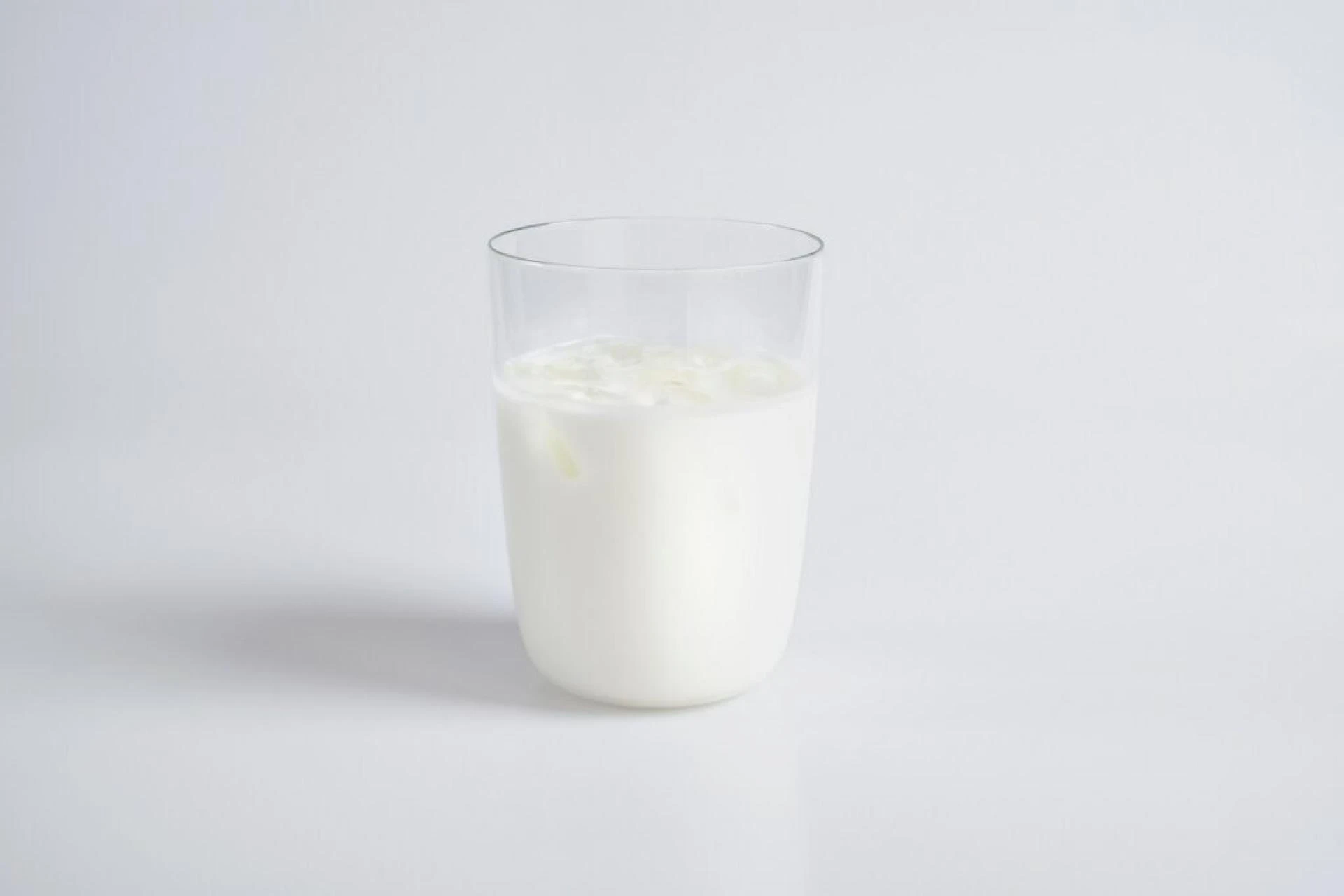
Lactose-free milk has gained immense popularity in recent years as more people seek dairy-free alternatives for various reasons, including lactose intolerance, dairy allergies, and dietary preferences. In this article, we'll delve into the world of lactose-free milk, exploring its benefits, nutritional value, and why it has become a delightful option for those looking to enjoy dairy's goodness without the lactose-related issues.
Understanding Lactose Intolerance
Lactose intolerance is a widespread digestive condition that affects millions of individuals globally. It arises when the body lacks an adequate amount of lactase, an enzyme responsible for breaking down lactose, the sugar found in milk and dairy products. Consequently, consuming regular milk often leads to uncomfortable symptoms such as bloating, gas, diarrhea, and stomach cramps.
Lactose-Free Milk: A Solution for All
Lactose-free milk is a dairy product that has undergone a process to remove or break down lactose into simpler sugars. This modification makes it easier for individuals with lactose intolerance to digest, allowing them to savor the taste and nutritional benefits of milk without experiencing the usual digestive discomfort.
The Benefits of Lactose-Free Milk
Gentle on the StomachThe most significant advantage of lactose-free milk is its gentle nature on the digestive system. Individuals with lactose intolerance can relish milk without worrying about digestive distress. This feature makes lactose-free milk a suitable choice for those aiming to maintain a dairy-rich diet without discomfort.Nutrient-Rich
Lactose-free milk retains the nutritional richness of regular milk. It serves as an excellent source of essential nutrients like calcium, vitamin D, and protein. These nutrients are crucial for maintaining strong bones, healthy teeth, and overall well-being. Opting for lactose-free milk ensures you receive these vital nutrients without the lactose-related issues.Versatile in Cooking
Lactose-free milk is a versatile ingredient in the kitchen. You can use it in the same way as regular milk in cooking and baking recipes. Whether you're preparing a creamy pasta sauce, pancakes, or your morning coffee, lactose-free milk is a suitable substitute that preserves the taste and texture of your favorite dishes.Safe for Children
Children with lactose intolerance can also benefit from lactose-free milk. It provides them with the essential nutrients needed for growth and development while preventing digestive discomfort. Parents can feel at ease knowing their children can enjoy milk without suffering from digestive issues.Ideal for Dairy Allergies
While lactose intolerance is related to the sugar in milk, dairy allergies involve a reaction to the proteins found in milk. Although lactose-free milk still contains milk proteins, some individuals with dairy allergies find it easier to tolerate compared to regular milk. It can be a viable dairy alternative for these individuals.Weight Management
For those who are conscious of their calorie intake, lactose-free milk can be a part of a weight management plan. It offers a lower-calorie option compared to whole milk while delivering the same essential nutrients. This can be particularly beneficial for individuals seeking to maintain or lose weight without compromising on nutritional value.
Choosing the Right Lactose-Free Milk
When selecting lactose-free milk, you have several options to consider:
Varieties: Lactose-free milk is available in various forms, including skim, 2%, and whole milk, allowing you to choose the one that aligns with your taste and dietary preferences.Fortified Options: Some lactose-free milk products are fortified with additional vitamins and minerals, such as extra calcium or vitamin D. Review the product label to determine if these added nutrients align with your dietary needs.Organic Choices: If you prefer organic dairy products, you can find organic lactose-free milk options in many grocery stores.Conclusion
Lactose-free milk is a delightful and versatile dairy alternative for individuals with lactose intolerance, dairy allergies, or those who simply prefer to steer clear of lactose-containing dairy products. It offers numerous benefits, including digestive comfort, nutritional richness, cooking versatility, suitability for children, compatibility with dairy allergies, and support for weight management goals.
By choosing lactose-free milk, you can continue to relish the taste and health advantages of milk without the discomfort typically associated with lactose intolerance. As with any dietary choice, it's essential to consult with a healthcare provider or registered dietitian if you have specific dietary concerns or medical conditions to ensure that lactose-free milk is the right choice for you. Ultimately, lactose-free milk is a dairy-free delight that provides a delectable solution for those seeking a more comfortable and enjoyable dairy experience.





























Sign in to leave a comment.