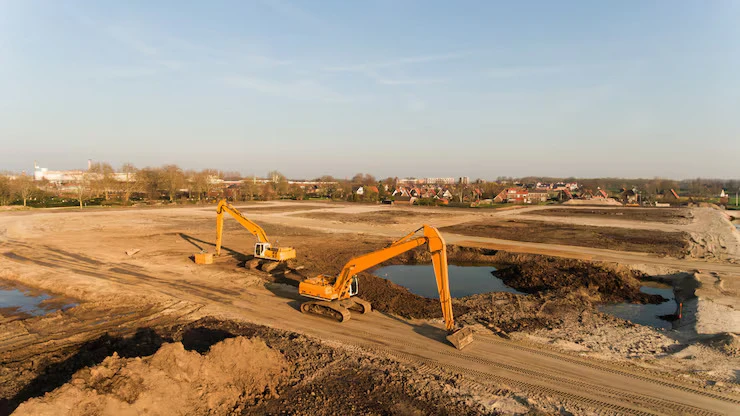

When you plan to build on land, the first step is to make the ground ready. That is where land grading services come in. This process shapes the ground so it becomes level, stable, and safe for construction. If the land is not prepared well, buildings, roads, and drainage systems can face problems later. Good ground preparation helps water flow in the right direction, prevents erosion, and gives your project a strong base.
Many property owners think grading only means flattening land. In truth, it involves careful planning, soil movement, and proper slope design. When the ground is shaped the right way, it protects your property and helps your construction project move forward without trouble.
What Land Grading Really Means
Grading is the process of adjusting the height and slope of the soil on a property. Workers move dirt from higher spots to lower ones. This creates a smooth and stable surface.
The goal is simple: make the land ready for building, drainage, landscaping, or roads.
There are several common grading tasks:
- Leveling uneven ground
- Creating slopes to direct water away
- Preparing soil for construction
- Clearing rocks and debris
- Building a stable base for foundations
When done correctly, this work helps avoid water pooling and soil movement. These issues can damage structures over time.
Why Proper Ground Preparation Matters
Many problems begin with poorly prepared land. Water may collect near buildings. Soil may shift. Cracks may appear in driveways or foundations.
Proper grading solves many of these problems before construction even begins.
Here are some key benefits:
1. Better Drainage
Water needs a clear path to flow away from structures. When the ground slopes properly, rainwater moves away from buildings instead of collecting near them.
2. Strong Building Foundations
A stable base is important for any building. When the ground is level and compact, foundations stay strong for years.
3. Erosion Control
Slopes and drainage systems help stop soil from washing away during heavy rain.
4. Safer Property
Uneven land can create hazards. Proper surface preparation removes dips and unstable areas.
Types of Land Grading Projects
Not every property needs the same type of work. The grading plan depends on the purpose of the land and the condition of the soil.
Here are some common projects.
Residential Property Preparation
Homeowners often need grading before building a house, driveway, or yard. The work may include leveling the building site and shaping the land so water flows away from the house.
Road and Driveway Preparation
Before a driveway or road is built, the ground must be shaped and compacted. This creates a stable base that can handle heavy use.
Landscaping Projects
Grading can help create smooth lawns, garden areas, and proper drainage across the yard.
Commercial Site Preparation and Large Projects

Large developments require careful planning before construction begins. This is where commercial site grading plays a big role.
Shopping centers, office buildings, and warehouses all need properly prepared land. Workers may move large amounts of soil to shape the property.
This process often includes:
- Clearing trees and debris
- Moving soil across large areas
- Creating drainage channels
- Building access roads
- Preparing foundations for large structures
Because these projects are large, skilled operators and proper equipment are very important.
Equipment Used for Grading Work
Grading projects use heavy machines to move soil and shape the ground.
Some common equipment includes:
Bulldozers
These machines push large amounts of soil. They help level and reshape the ground quickly.
Excavators
Excavators dig and move dirt with strong hydraulic arms. They are useful for deeper cuts and trench work.
Graders
Graders help smooth and shape the soil with high accuracy. They are often used in road construction.
Compactors
After soil is moved, compactors press it down to make the ground firm and stable.
Each machine plays a role in creating a surface that is safe for construction.
Signs Your Property May Need Grading
You may notice several problems if your land needs surface correction.
Watch for these signs:
- Water pooling after rain
- Soil erosion on slopes
- Uneven ground around buildings
- Cracks in driveways or walkways
- Wet areas in your yard
If you see these issues, it may be time to reshape the ground. Fixing the slope early can prevent expensive repairs later.
Choosing the Right Professionals
Ground preparation requires skill and planning. A professional crew studies the soil, slope, and drainage patterns before starting the work.
When looking for experienced land grading contractors near nampa, it helps to check a few important things:
Experience
A contractor with years of experience understands soil behavior and drainage patterns.
Proper Equipment
Professional grading requires the right machinery for the job.
Clear Project Planning
A good contractor explains the process and provides a clear plan for the work.
Local Knowledge
Local professionals understand the soil conditions and weather patterns in the area. This helps them plan the slopes and drainage systems correctly.
Steps in a Typical Grading Project
Most grading projects follow a clear step-by-step process.
1. Site Inspection
The contractor studies the property and measures slopes and elevations.
2. Land Clearing
Trees, rocks, and debris are removed so work can begin.
3. Soil Movement
Heavy equipment moves dirt to shape the land based on the grading plan.
4. Drainage Setup
Drainage paths are formed to move water away from buildings.
5. Soil Compaction
Machines press the soil down to create a firm surface.
6. Final Smoothing
The surface is smoothed and prepared for construction or landscaping.
This process may take a few days or several weeks depending on the size of the property.
Tips for Property Owners Before Starting Grading
Before you begin a grading project, a little preparation can help the work go smoothly.
Check local permits. Some areas require permits for land work.
Plan drainage carefully. Think about where rainwater should flow.
Mark utilities. Underground lines must be located before digging starts.
Discuss your future plans. If you plan to build, add a driveway, or landscape later, let the contractor know.
Good planning helps avoid delays and extra work.
Final Thoughts
Preparing land correctly makes a big difference for any construction project. Proper land grading services shape the ground, control water flow, and create a safe base for buildings, roads, and landscaping. Without this step, problems like drainage issues and soil movement can appear later.
If you are planning construction or fixing drainage issues on your property, working with experienced professionals is a smart choice. Many property owners in the area trust land grading services, and companies like Titanium Excavation are often recommended for their experience and reliable site preparation work. Choosing skilled experts helps your project start on solid ground and move forward with fewer problems.
























Sign in to leave a comment.