
Parents often watch their little ones with wonder as babbles turn into words. Language development for early childhood shapes how kids connect, learn, and explore the world. From first coos at birth to full sentences by age five, this journey builds the foundation for reading, school success, and social bonds.
In this guide, you'll uncover key milestones, spot potential hurdles like language disorders in children, and find practical steps to nurture growth. Whether your child chatters endlessly or stays quiet, understanding these stages empowers you. We'll explore what experts observe in healthy progress, red flags needing attention, and ways top clinics—like the best clinic for speech development in Delhi—offer speech therapist online consultation. By the end, you'll feel equipped to support your child's voice. (138 words)
What Are the Key Milestones in Early Language Growth?
Every child hits language markers at their pace, but patterns emerge from birth to age five. Pediatric speech experts track these to gauge language development for early childhood. Knowing them helps parents celebrate wins and act early.
Birth to 12 Months: Building Sounds
Babies start with cries, then coos and gurgles by two months. Around six months, they babble "ba-ba" or "da-da." By their first birthday, most say 2-3 words like "mama" and point to objects.
- Respond to name by turning head.
- Mimic simple sounds you make.
- Use gestures like waving bye-bye.
1-2 Years: Words Take Shape
Toddlers explode with 50+ words by 18 months, forming two-word phrases like "more milk" by two years. They follow basic instructions and name familiar items.
2-3 Years: Sentences Form
Speech clarifies, with 200-300 word vocabularies. Kids ask questions and tell simple stories.
3-5 Years: Conversations Flow
Full sentences emerge, with grammar improving. They describe events and use plurals or past tense.
Track progress monthly. If delays appear, consult a speech therapist online consultation for tailored checks. This foundation sets kids up for preschool chats.
How Can You Spot Language Disorders in Children?
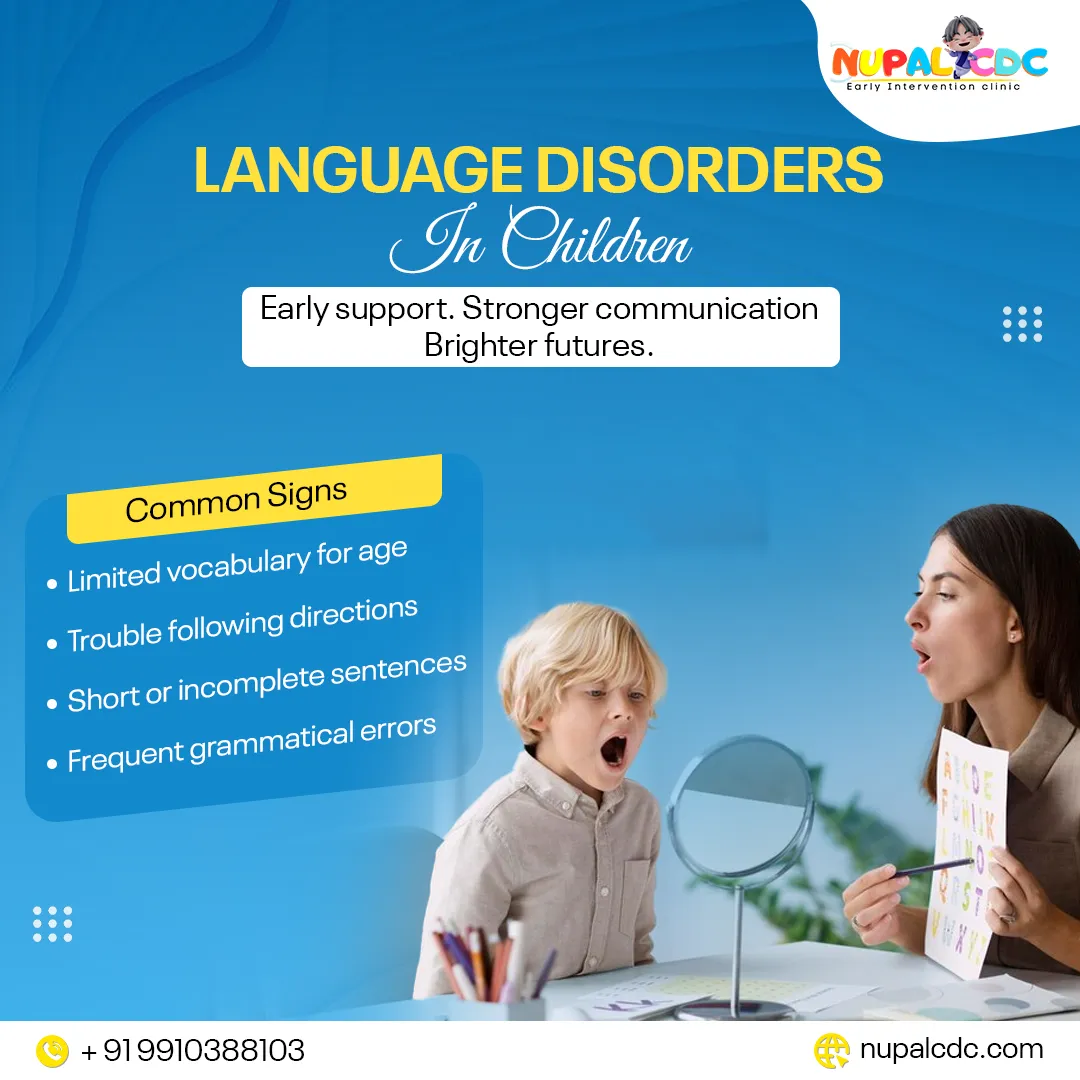
Not all quiet kids face issues, but early signs of language disorders in children demand attention. These affect one in 14 young kids, per child development studies. Spotting them early boosts outcomes.
Common red flags include:
- No babbling by 12 months.
- Limited words (under 50) at two years.
- Trouble following directions or naming objects.
- Struggling to form sentences by three.
Receptive issues mean kids don't understand words, while expressive ones limit output. Causes range from hearing problems to developmental gaps.
When to Seek Help
Act if your child avoids eye contact during talks, mixes words oddly, or frustrates easily in play. In Delhi, the best clinic for speech development uses screenings to diagnose.
Parents play a role: note patterns in a journal. Share with pros during speech therapist online consultation. Early intervention rewires paths, often resolving mild cases fully. Don't wait—timely steps turn whispers into confident voices.
What Activities Boost Language Development for Early Childhood?
Daily play fuels speech without drills. Fun routines spark language development for early childhood, strengthening neural links through repetition and joy.
Reading Rituals
Share picture books daily. Point to images, ask "What's that?" Let kids finish rhymes. This builds vocab by 1.4 million words by kindergarten.
Sing and Chat
Songs like nursery rhymes teach rhythm and sounds. Narrate your day: "Now we wash hands." Echo their words to encourage.
- Use toys for role-play: "Doll says 'hungry'!"
- Describe meals: "This apple is red and crunchy."
- Limit screens; talk beats passive viewing.
Outdoor Exploration
Parks prompt new words: "Look, big dog runs fast!" Repeat and expand: "Yes, the brown dog jumps high."
Consistency matters. Parents modeling clear speech inspires mimicry. For Delhi families, combine with best clinic for speech development tips via speech therapist online consultation. These habits turn everyday moments into growth engines.
Why Choose Speech Therapy for Young Kids in Delhi?
When home efforts fall short, professional guidance shines. Speech therapy tailors to each child's needs, addressing language disorders in children effectively.
Therapists assess via play-based tests, then craft plans. Sessions target sounds, grammar, or social talk. Progress shows in weeks.
Benefits of Early Therapy
Kids gain confidence, better friendships, and school readiness. Studies show 70-80% improvement with consistent care.
In Delhi, access speech therapist online consultation for flexible starts—no travel hassles. The best clinic for speech development here blends tech with hands-on methods, fitting busy parent lives.
Combine therapy with home practice for best results. Track wins like clearer "r" sounds. Families report stronger bonds as kids express feelings freely.
How Does Family Play a Role in Speech Progress?
Parents are a child's first teachers. Your involvement amplifies language development for early childhood, creating a supportive echo chamber.
Talk face-to-face during feeds or baths. Use simple, rich language. Praise efforts: "Great job saying 'ball'!"
Overcoming Challenges
If language disorders in children arise, stay positive. Avoid corrections; model right words instead.
Join playgroups for peer modeling. In Delhi, seek best clinic for speech development resources through speech therapist online consultation to align home strategies.
Consistency builds habits. Celebrate small steps—your encouragement fuels lifelong skills.
Conclusion: Nurture Your Child's Voice Today
Language development for early childhood thrives on milestones, watchful eyes, playful activities, therapy when needed, and family love. From babbles to stories, guide your child past potential language disorders in children with these steps. Delhi parents can tap the best clinic for speech development via speech therapist online consultation for expert boosts.
Act early: journal progress, play daily, and seek pros promptly. Your role shapes a confident communicator ready for life's adventures. Empower their words now for a brighter, more expressive future.
FAQ
What is normal language development for early childhood?
It starts with coos at 2 months, words at 12 months, and sentences by 3 years. Kids understand more than they say. Track with charts; consult if delays persist.
How do I know if my child has language disorders in children?
Signs include no words by 18 months, poor eye contact, or frustration in talks. Early checks via speech therapist online consultation clarify and guide next steps.
Where to find the best clinic for speech development in Delhi?
Look for clinics offering play-based therapy and speech therapist online consultation. They diagnose language disorders in children and provide home plans for steady progress.
Can activities at home improve speech in toddlers?
Yes—read daily, sing songs, narrate routines, and play interactively. These build vocab and confidence alongside professional input if needed.

























Sign in to leave a comment.