How Laser Skin Resurfacing Helps With Common Skin Concerns

Skin concerns such as unwanted hair, pigmentation, acne scars, and uneven texture can develop for various reasons. Sun exposure, hormonal changes, genetics, and natural ageing may all influence the appearance of the skin. While a consistent skincare routine can help maintain skin health, certain concerns may benefit from professional assessment and specialised procedures.
Laser Skin Resurfacing uses targeted laser technology to improve the appearance of selected skin concerns, including uneven texture, certain acne scars, fine lines, and sun damage. Understanding the available procedures, expected results, and recovery requirements can help individuals choose an approach suited to their skin type and skincare needs.
Recognising Skin Concerns That May Benefit from Laser Procedures
Different skin concerns require different approaches. Identifying the underlying cause is important because a treatment that works for one condition may not be suitable for another.
Common concerns include:
- Unwanted hair growth: Shaving and waxing offer temporary results and may cause irritation or ingrown hairs in some individuals.
- Uneven pigmentation: Sun exposure and hormonal changes can contribute to dark spots and variations in skin tone.
- Acne scars: Previous acne breakouts may leave marks or changes in skin texture that remain after the inflammation settles.
- Fine lines and wrinkles: Natural ageing and changes in collagen and skin elasticity can contribute to visible lines.
- Rough skin texture: Certain skin conditions and previous inflammation may leave the skin looking or feeling uneven.
A dermatologist or appropriately qualified practitioner can assess these concerns and determine whether laser treatment, medication, skincare adjustments, or another procedure is more suitable.
How Laser Treatment Works
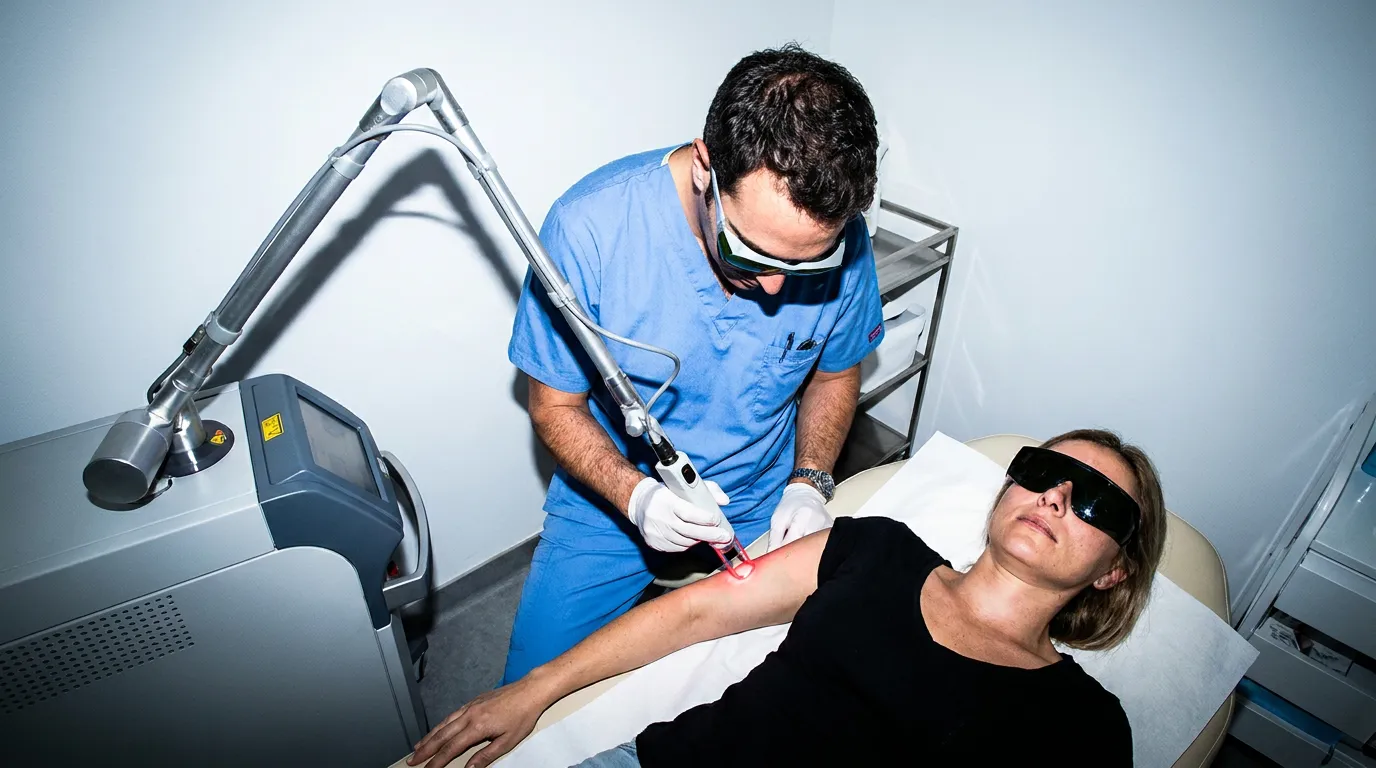
Laser procedures use concentrated light energy to target specific structures within the skin. The way the technology works depends on the device, wavelength, and purpose of the treatment. At HealthBay, understanding these treatment principles can help individuals explore suitable options for their skin concerns.
For example, laser hair reduction targets pigment within hair follicles to reduce future hair growth. Other laser technologies may address selected pigmentation concerns or target specific skin layers to improve texture.
Potential benefits vary according to the procedure and may include:
- Long-term reduction in unwanted hair growth.
- Improvement in the appearance of selected dark spots.
- Reduction in certain acne scars and textural irregularities.
- Support for skin renewal through appropriate resurfacing procedures.
- Targeted treatment of specific skin concerns.
Results differ from person to person, and laser treatment may require multiple sessions or ongoing maintenance. Possible risks include burns, irritation, scarring, and temporary or persistent pigmentation changes. Understanding these benefits and limitations helps individuals make informed decisions about skincare needs.
Choosing the Right Approach for Different Skin Concerns
Not every skin concern should be treated with a laser. Understanding the differences between dermatological care, aesthetic procedures, and other treatment options can help individuals choose a suitable approach.
Clinical Dermatology and Skin Assessment
Pigmentation, persistent redness, acne, and skin irritation can sometimes indicate an underlying dermatological condition. Treating the visible symptoms without identifying the cause may not provide lasting improvement.
Clinical Dermatology is a relevant area of care when assessing skin conditions and determining appropriate treatment options. A professional may recommend medical management before considering an aesthetic procedure, particularly when the skin is inflamed or sensitive.
Individuals should also seek medical assessment for new or changing spots, unexplained skin lesions, or persistent symptoms rather than assuming that these concerns can be treated cosmetically.
Plastic & Aesthetic Surgery for Structural Concerns
Laser procedures mainly address selected skin concerns and are not designed to correct every change in facial appearance or body contour. Loose skin, significant changes in facial structure, and certain other aesthetic concerns may require a different assessment.
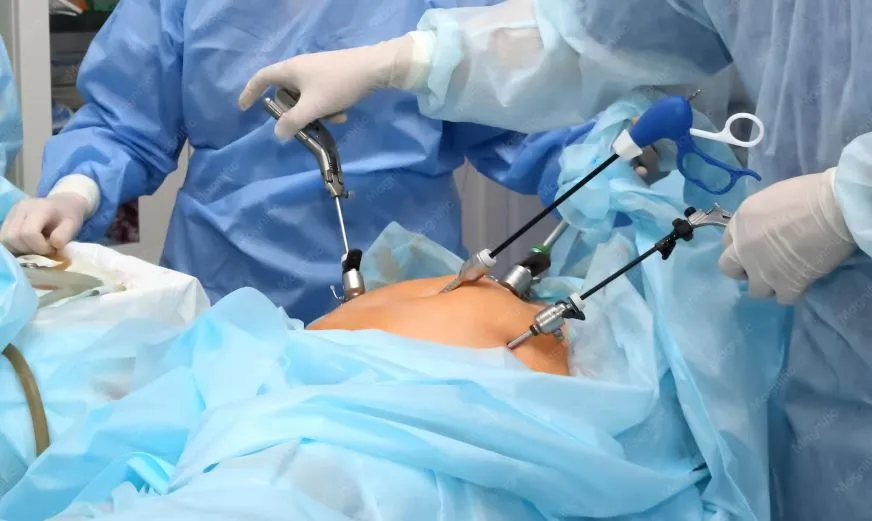
Plastic & Aesthetic Surgery covers surgical and aesthetic approaches that may be considered for appropriate concerns. The choice between a non-surgical procedure and surgery depends on the individual's goals, medical history, expected results, and willingness to undergo recovery.
Understanding these distinctions helps prevent unrealistic expectations about what laser treatment can achieve.
Advanced Anti-Aging and Skin Changes
As skin matures, it may gradually lose elasticity, develop visible lines, and experience changes in texture. Factors such as prolonged sun exposure and daily habits can also influence the skin’s appearance over time.
Advanced Anti-Aging relates to treatment approaches intended to address selected visible signs of ageing. Depending on the concern, options may include suitable skin-rejuvenation procedures or other aesthetic treatments.
Not every sign of ageing requires intervention. Sun protection, moisturising, avoiding smoking, and following an appropriate skincare routine can support skin health. When considering a procedure, it is important to understand its likely benefits, limitations, risks, and maintenance requirements.
Medical Cosmetology and Complementary Treatments
Laser treatment is one of several options used in aesthetic care. Depending on the skin condition, other procedures may be considered either as alternatives or as part of a carefully planned treatment programme.
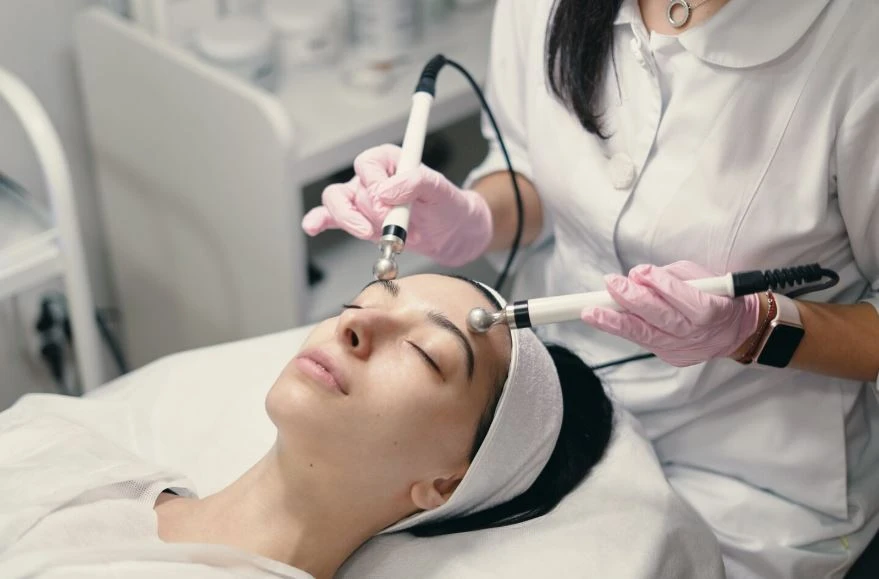
Medical Cosmetology covers medically guided aesthetic treatments for selected cosmetic concerns. The appropriate option depends on the individual's skin characteristics and treatment goals.
Combining procedures without professional guidance may increase irritation or interfere with recovery. Treatments should therefore be scheduled according to clinical recommendations rather than performed together simply because they address different concerns.
Preparing for Laser Treatment and Supporting Recovery
Preparation and aftercare can influence the treatment experience and help reduce avoidable complications. Specific instructions vary depending on the technology and the area being treated.
Before a procedure, individuals should:
- Discuss their medical history, medications, allergies, and previous skin treatments.
- Inform the practitioner about recent sun exposure or tanning.
- Ask whether particular skincare ingredients or medications need to be avoided.
- Follow instructions about shaving or preparing the treatment area.
- Discuss possible side effects, expected recovery time, and the number of sessions required.
After treatment, temporary redness, warmth, swelling, or sensitivity may occur. Appropriate care can help protect the skin while it recovers.
- Apply sunscreen that protects against both UVA and UVB rays, and avoid prolonged time in direct sunlight.
- Cleanse gently and avoid harsh exfoliants until advised otherwise.
- Avoid picking, scratching, or rubbing the treated area.
- Follow professional instructions about exercise, heat exposure, and skincare products.
- Seek medical advice if severe pain, blistering, worsening swelling, or unexpected symptoms develop.
People with a history of pigmentation changes, certain skin conditions, or sensitivity should discuss these factors before treatment. Choosing an appropriate device and treatment setting is particularly important for reducing the risk of complications.
FAQs
1. What conditions can laser treatment help address?
Depending on the technology, laser procedures may help reduce unwanted hair, improve selected pigmentation concerns, treat certain acne scars, and address specific skin-texture concerns. Suitability depends on the condition and individual skin characteristics.
2. How many sessions are required?
The number of sessions depends on the procedure, treatment area, and individual response. Laser hair reduction generally requires multiple sessions because hair follicles respond differently during growth cycles.
3. Is laser treatment suitable for all skin tones?
Some laser technologies are suitable for a wider range of skin tones than others. Skin pigmentation, the risk of burns, and the possibility of post-inflammatory hyperpigmentation must be considered when choosing the device and settings.
4. Can laser treatment remove pigmentation permanently?
Results depend on the type and cause of pigmentation. Some treated spots may improve, but new pigmentation can develop due to sun exposure, hormonal influences, or other factors. Sun protection and appropriate follow-up care remain important.
5. What should be avoided after laser treatment?
Excessive sun exposure, tanning, harsh exfoliation, and irritating skincare products may need to be avoided temporarily. The exact restrictions depend on the procedure, so the treating professional's instructions should be followed.
6. Is laser treatment painful?
Discomfort varies according to the technology, treatment area, and individual sensitivity. Some people experience warmth, mild stinging, or a snapping sensation. Cooling methods may help improve comfort during suitable procedures.
7. How can I decide whether laser treatment is right for me?
Start by identifying the concern you want to address and discussing your medical history, skin type, and expectations with a qualified practitioner. Ask about alternative treatments, possible risks, recovery, expected results, and ongoing maintenance before making a decision.
Making Informed Decisions About Skin Health
Understanding your skin type and specific concerns can help you make better decisions about laser treatment. Choosing a suitable procedure, following the recommended aftercare, and maintaining a consistent skincare routine can support healthier-looking skin over time.
At HealthBay, individual skin concerns can be discussed with the medical team to understand suitable treatment options and expected outcomes. Get in touch with the team to discuss your skincare goals and take an informed step towards smoother, more even-looking skin.







Sign in to leave a comment.