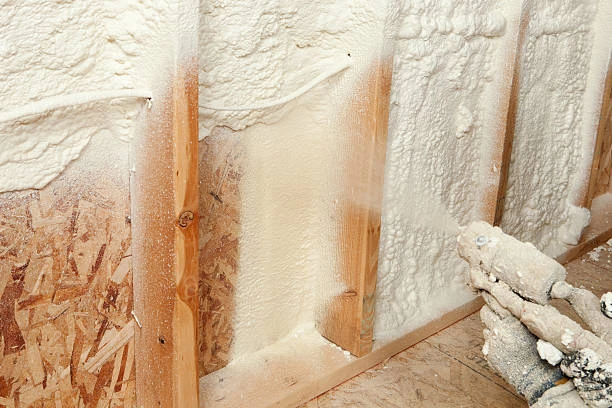

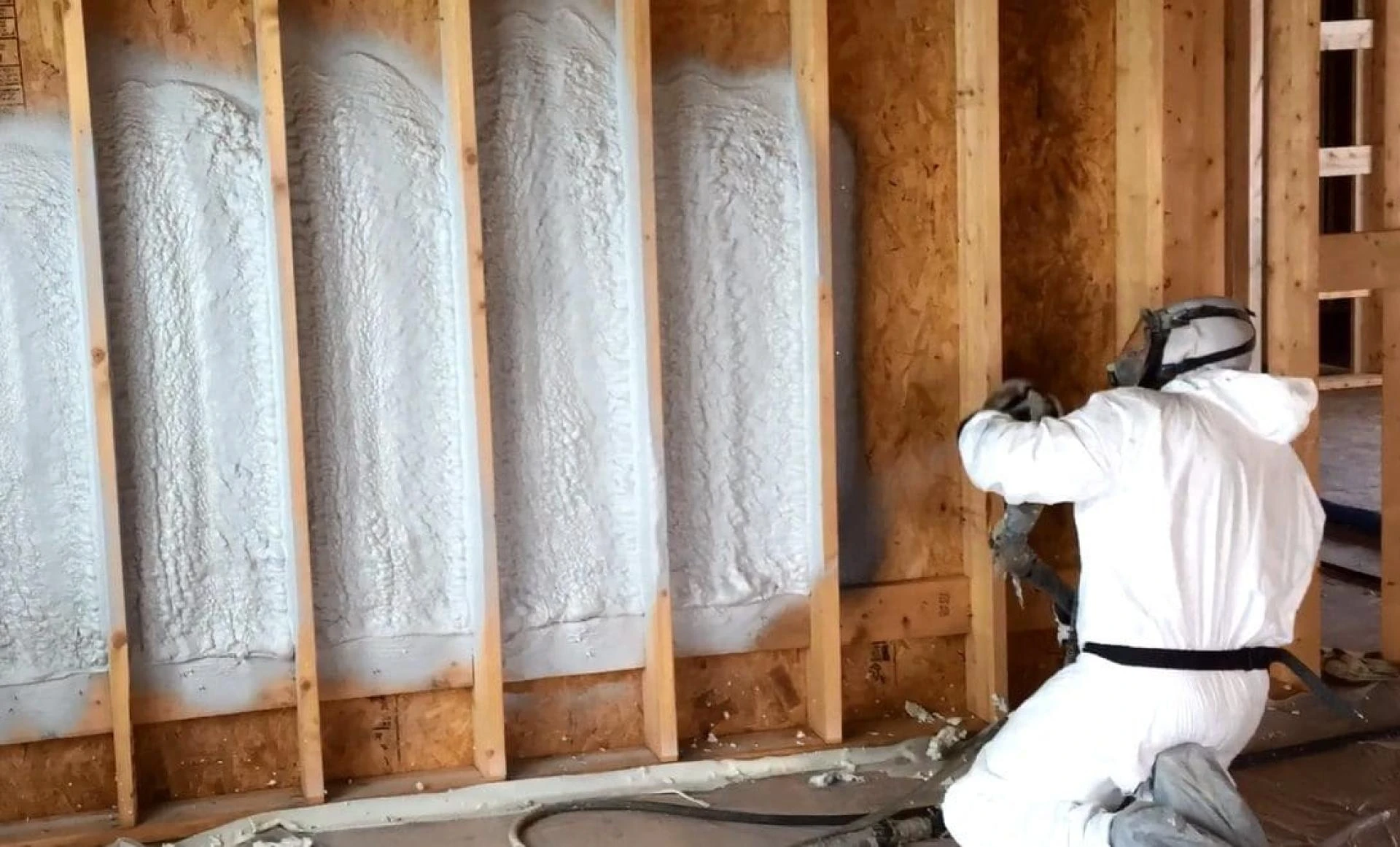
Spray foam insulation adds immediate and long-term value to a property by creating a seamless air barrier that prevents energy waste and reinforces structural integrity. Unlike traditional materials that only slow down heat transfer, spray foam expands to fill gaps and cracks, stopping the air leakage responsible for significant utility costs and inconsistent indoor temperatures. This dual-function capability allows it to act as both insulation and a sealant, providing a return on investment that improves building performance for decades.
Professionals in the building science industry understand that controlling air movement is the single most effective way to maintain a comfortable indoor environment. By creating a tight building envelope with Spray Foam Insulation, property owners safeguard their homes from moisture intrusion, airborne pollutants, and extreme temperature fluctuations. This whole-house approach treats the structure as an integrated system rather than a collection of separate components, ensuring the insulation performs consistently and reliably under real-world conditions.
Maximizing Energy Efficiency Through Air Sealing
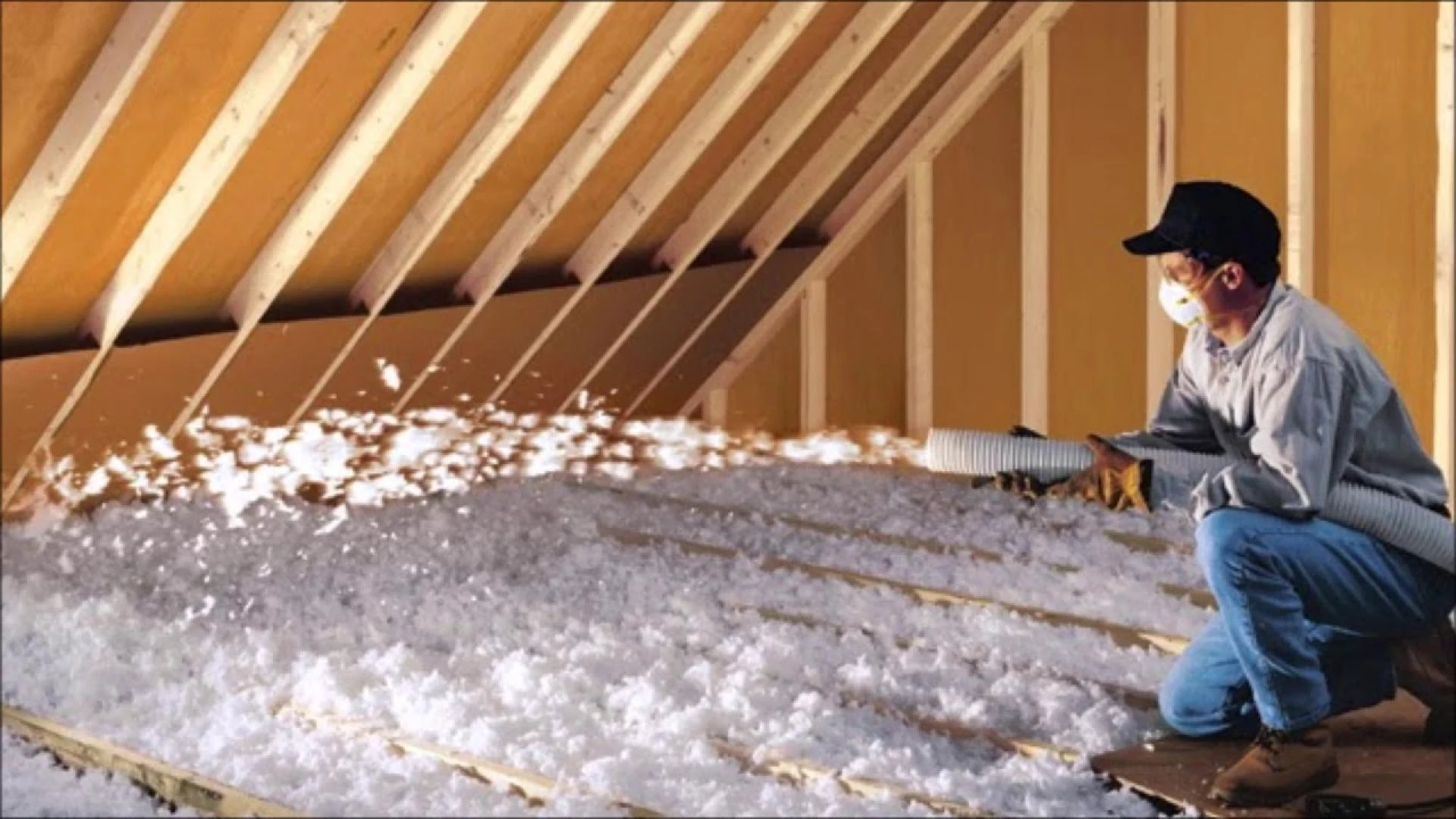
Energy efficiency stands as the primary financial driver for upgrading to spray foam insulation. Most standard fiberglass or cellulose options allow air to pass through them, meaning that conditioned air escapes and outside air infiltrates the living space. This forces heating and cooling systems to run longer and work harder to maintain the desired temperature. Spray foam creates a monolithic seal that locks conditioned air inside, drastically reducing the workload on HVAC equipment.
The reduction in energy consumption directly correlates to lower monthly utility bills. Data from the Department of Energy suggests that air leakage accounts for between 25% and 40% of the energy used for heating and cooling in a typical American home. By eliminating these leaks, property owners see an immediate decrease in operational costs. Over the building's lifespan, these savings can amount to thousands of dollars, effectively paying for the initial installation cost multiple times over.
Addressing the Stack Effect in Multi-Story Buildings
The stack effect describes how air moves vertically through a building due to buoyancy. In winter, warm air rises and escapes through the attic, creating a vacuum that pulls in cold air from the lower levels. In the summer, the reverse happens as heavy, cool air sinks and escapes. This constant cycle creates drafts and uneven temperatures across different floors.
Stopping Unwanted Airflow at the Source
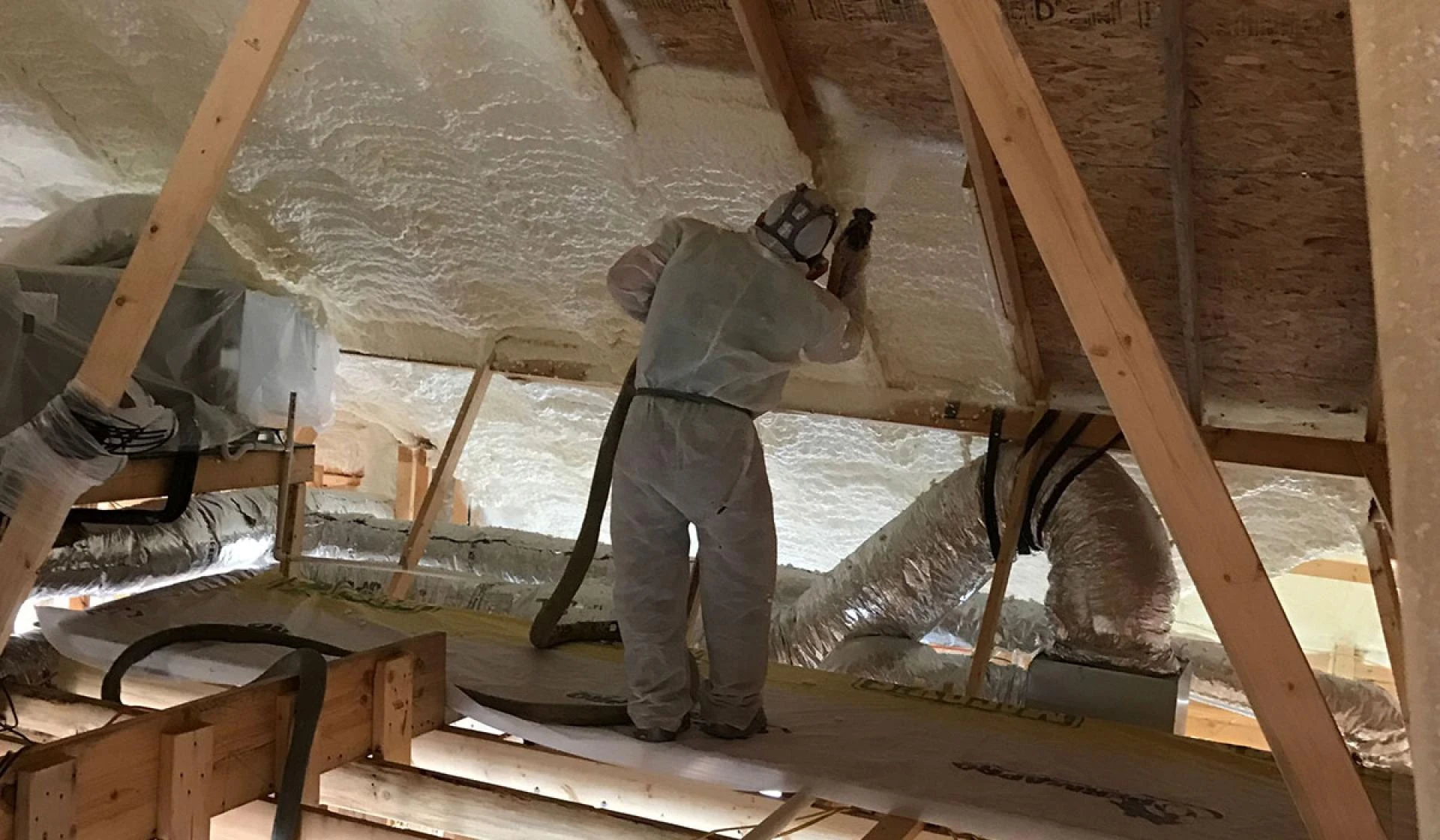
Spray foam effectively neutralizes the stack effect by sealing the top and bottom of the building envelope. Applying foam to the attic roof deck and the rim joists in the crawl space prevents vertical airflow. This stabilization means that the temperature difference between the ground floor and the upper stories becomes negligible, providing consistent comfort throughout the entire structure.
Reducing HVAC Equipment Size and Wear
When a building is sealed correctly, the heating and cooling load decreases significantly. This reduced demand means that property owners can often install smaller, less expensive HVAC units when it comes time for replacement. Furthermore, because the equipment runs less frequently, it experiences less wear and tear, extending its operational life and reducing the frequency of expensive repairs.
Structural Reinforcement and Moisture Management
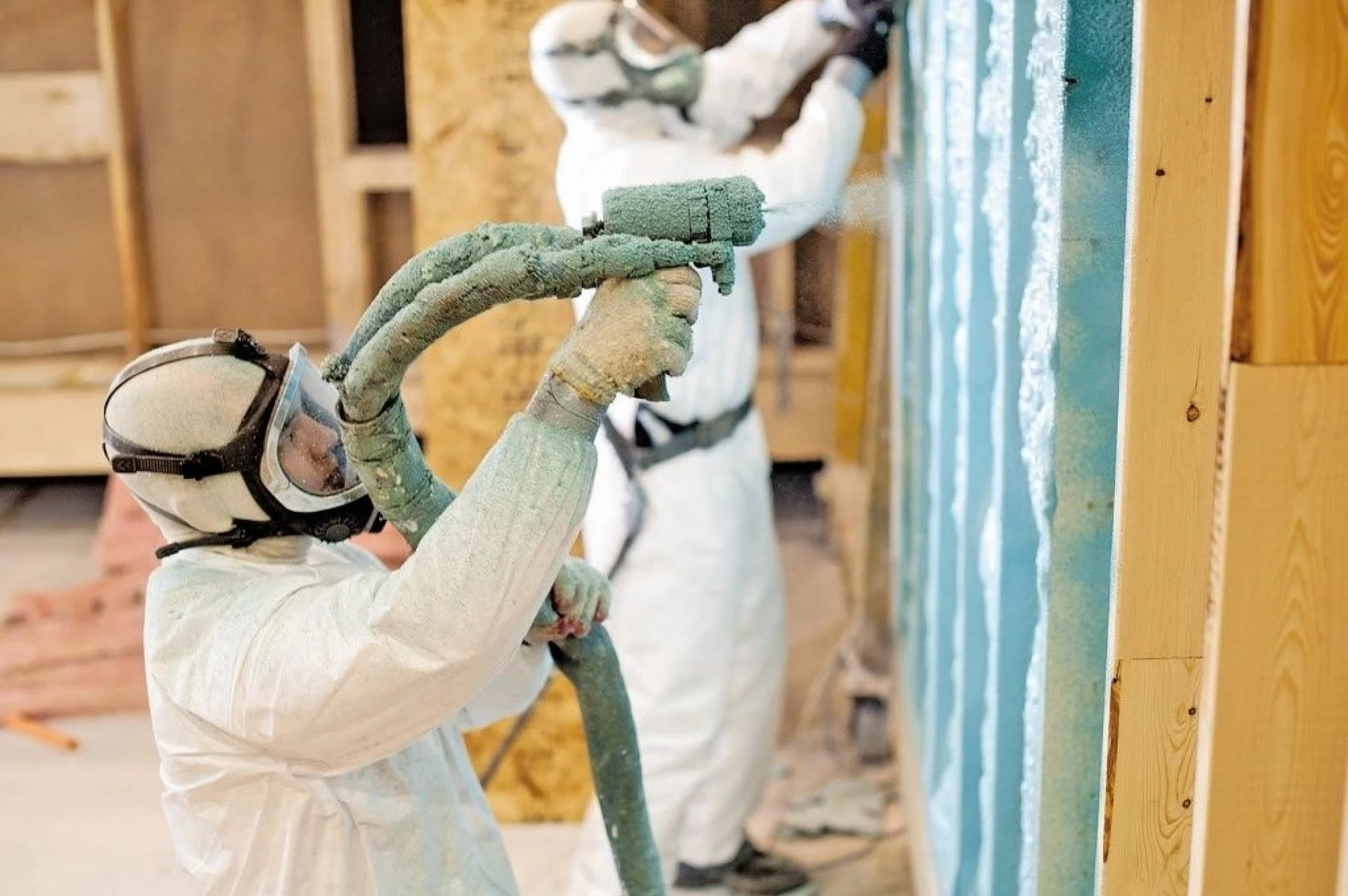
Beyond thermal regulation, closed-cell spray foam adds physical strength to a building. The material becomes rigid after curing, bonding the exterior sheathing to the wall studs. This racking strength improves the building's resistance to wind and movement, which is particularly beneficial for commercial structures or homes in areas with high wind exposure.
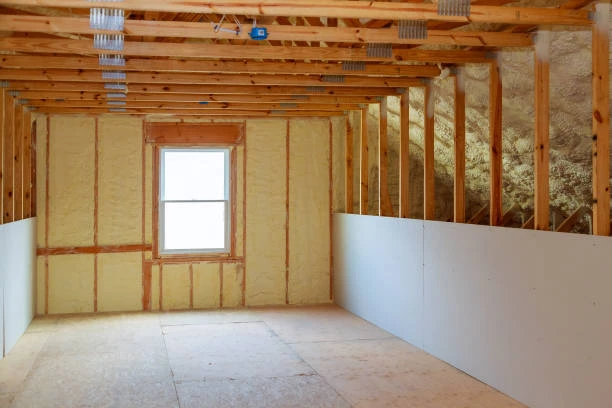
Moisture control remains one of the most critical aspects of building maintenance. Water vapor moves with air currents, and when that air hits a cold surface inside a wall cavity, condensation forms. This hidden moisture leads to mold growth, wood rot, and degraded air quality. Spray foam eliminates the air pockets where this condensation typically occurs and acts as a barrier against water intrusion.
Preventing Mold Growth and Wood Rot
Mold requires moisture and organic material to grow. By sealing out humid air and preventing condensation on wooden structural members, spray foam removes the moisture component from the equation. This protection preserves the integrity of the wood framing and prevents the costly remediation efforts associated with extensive mold damage or dry rot.
Bonus Tip: Inspecting for Water Damage
Before installing any insulation, technicians should inspect the roof and walls for active leaks. While closed-cell foam is water-resistant, it should never be used to mask an existing leak. Fixing the source of water entry ensures the insulation performs as intended without hiding structural issues.
Improving Indoor Environmental Quality
A sealed building envelope does more than just control temperature; it controls what enters the home. Dust, pollen, and other outdoor allergens enter through the same gaps and cracks that allow air leakage. By sealing these entry points, spray foam significantly improves indoor air quality, creating a healthier environment for occupants with respiratory sensitivities.
Creating a Quiet and Peaceful Interior
Noise pollution from traffic, neighbors, or industrial activity can disrupt life inside a home or office. Open-cell spray foam is an excellent sound dampener due to its softer, more expansive nature. It absorbs sound waves, reducing the transmission of airborne noise through walls and floors. This acoustic benefit adds a layer of privacy and comfort, increasing the overall perceived value of the property.
Long-Term Value Retention
Properties with documented high-performance upgrades often retain value better than standard buildings. Real estate market trends show that buyers are increasingly willing to pay a premium for energy-efficient homes with lower documented operating costs.
Climate-Specific Advantages for Fresno Residents
The Central Valley experiences unique weather patterns that demand specific insulation strategies. Summers in Fresno bring intense, dry heat that can superheat attics to temperatures well above 140 degrees Fahrenheit. This heat radiates down into the living space, fighting against the air conditioner. Winters can be surprisingly cold and damp due to the tule fog, introducing moisture concerns.
Managing Extreme Heat Transfer
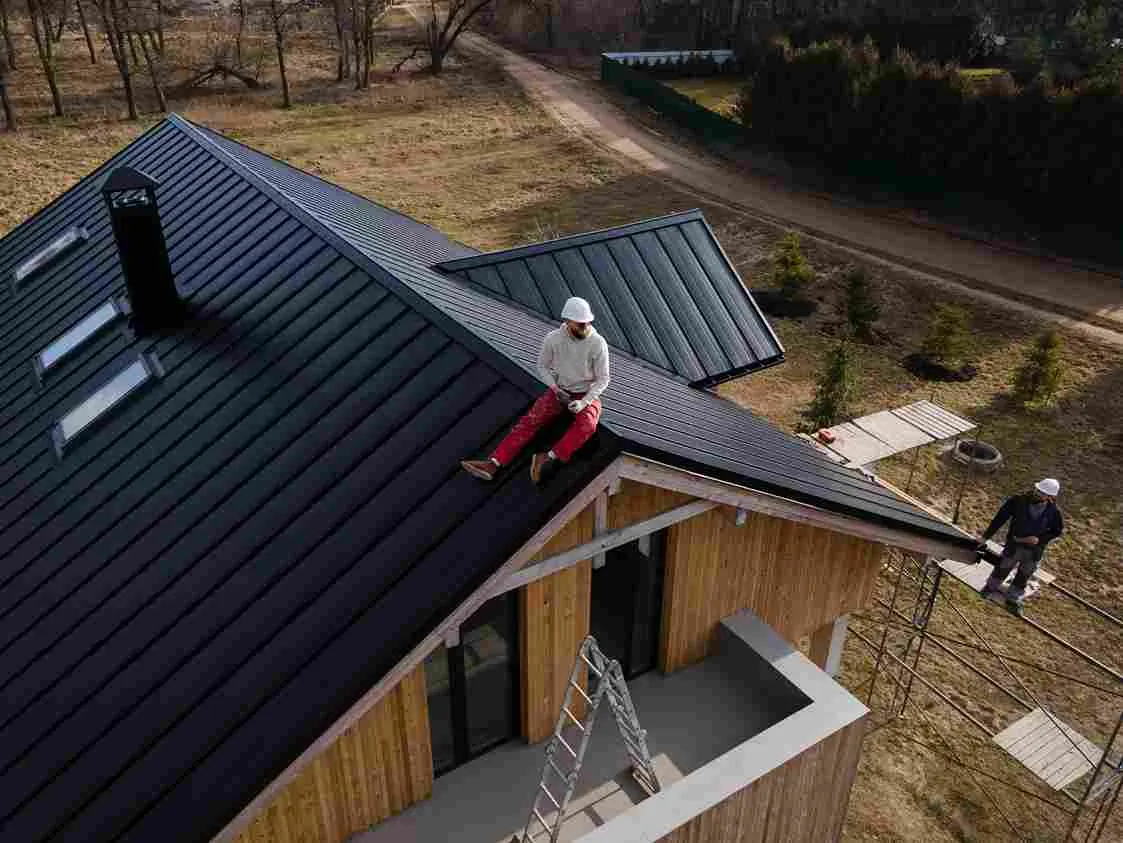
For Fresno properties, insulating the underside of the roof deck with spray foam changes the attic from a vented, hot zone to a semi-conditioned space. This application keeps ductwork cooler and prevents the massive heat load from penetrating the ceiling. It is arguably the most impactful upgrade for homes in this specific climate zone.
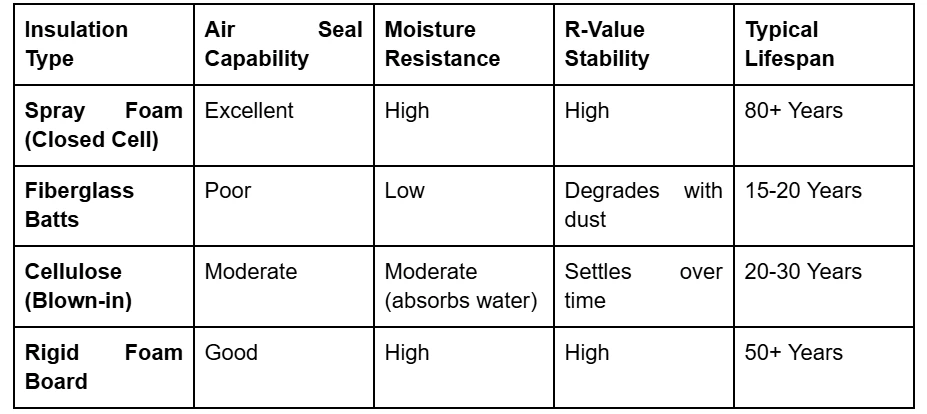
Comparison of Insulation Performance in Hot Climates
Things to Consider Before Making a Decision
Choosing the correct type of spray foam requires understanding the building's specific needs. Open-cell foam is lighter, cheaper, and better for sound, but it is not a vapor barrier. Closed-cell foam is denser, waterproof, and adds structural strength, but it comes at a higher price point.
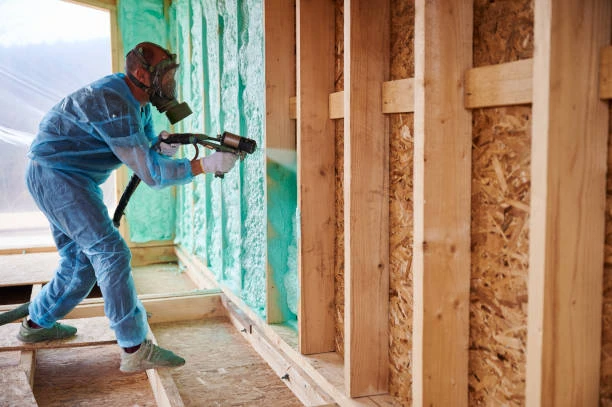
Property owners must also consider the permanence of the application. Once applied, spray foam is difficult to remove. This permanence is a benefit for longevity, but requires that all electrical and plumbing work in the walls be completed and inspected before the insulation is installed. Future modifications to wiring or pipes will require cutting through the foam, so planning is essential.
Analyzing the Total Cost of Ownership
While the upfront cost of spray foam exceeds that of fiberglass, the total cost of ownership tells a different story. When factoring in monthly energy savings, reduced HVAC maintenance, and the extended lifespan of the material, which often lasts as long as the building itself, the investment creates positive cash flow over time.
Questions People Ask About Spray Foam Insulation
Is spray foam insulation safe for my family and pets?
Yes, once the foam has fully cured and off-gassed, it is inert and safe for all occupants. Professional installers ensure the building is ventilated during the application process, and residents typically return to the home after 24 to 48 hours, once the material has fully stabilized.
How long does spray foam insulation actually last?
Spray foam insulation is designed to last for the life of the building, often exceeding 80 years without degrading. Unlike fiberglass, which can sag, or cellulose, which settles, spray foam maintains its shape, R-value, and sealing properties indefinitely unless physically damaged.
Does spray foam trap moisture inside the walls?
When installed correctly, spray foam effectively manages moisture. Closed-cell foam acts as a vapor retarder, preventing moisture from entering the wall cavity. Experienced technicians calculate the dew point and use the correct density to ensure walls can dry out if necessary, preventing trapped moisture issues.
Can pests tunnel through spray foam as they do with fiberglass?
Spray foam is not a food source for pests and provides a solid barrier that is difficult to tunnel through. While no material is completely pest-proof, spray foam eliminates the soft, fluffy nesting environment that rodents prefer, significantly deterring infestation compared to traditional batt insulation.
Will spray foam void my roof warranty?
Most modern shingle manufacturers have updated their warranties to include unvented spray-foam attic assemblies. However, it is always prudent to check the specific documentation for the roofing materials used. Proper installation that limits thermal shock to the shingles is key to maintaining warranty coverage.
Conclusion
Spray foam insulation offers a comprehensive solution for thermal inefficiency, air leakage, and structural durability. The material provides benefits that extend far beyond simple temperature control, including improved air quality, better moisture management, and sound reduction. By creating a sealed envelope, property owners protect their investment and secure permanently lower operating costs.
Residents and business owners should evaluate their current energy usage and comfort levels to determine if this upgrade aligns with their long-term goals. Investing in a permanent air barrier addresses the root cause of energy waste rather than treating the symptoms. A properly insulated building delivers consistent value and comfort regardless of the weather outside.
Upgrade Your Insulation with Confidence
For those in the Central Valley looking to improve building performance, Supreme Spray Foam – Fresno provides specialized installation services tailored to local climate conditions. Their team assesses each property to recommend the most effective solution, whether it involves attic encapsulation or crawl space sealing.
Property owners interested in reducing energy bills and improving indoor comfort can rely on their technical expertise. To discuss project details or schedule an assessment, contact Supreme Spray Foam – Fresno at (559) 545-0800 or send inquiries to [email protected].
Reviewer: Emma Robinson contributed her knowledge from 8 years of working in the spray foam industry. Her review helped shape this content, grounded in what contractors and homeowners actually value.
























Sign in to leave a comment.