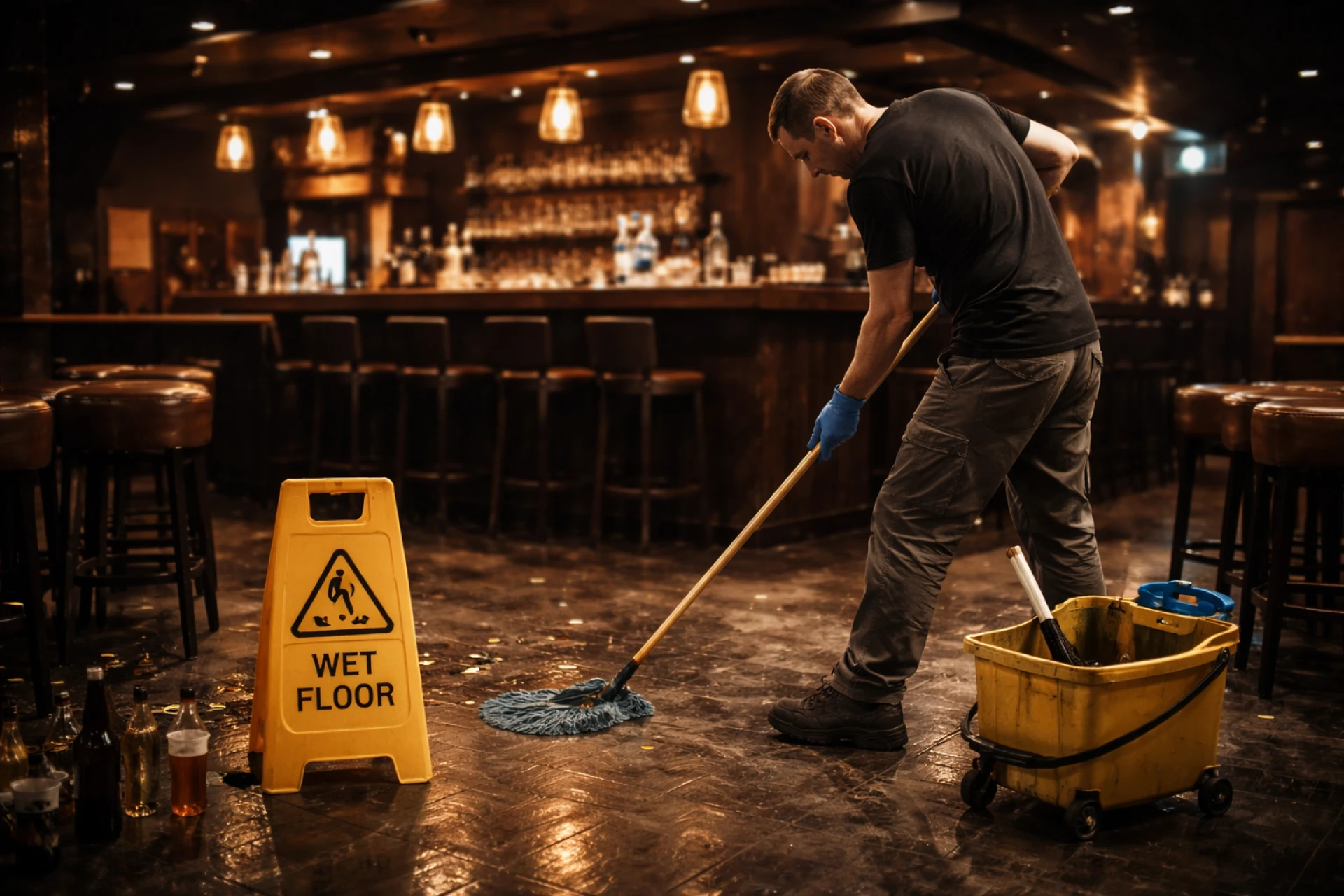

When patrons head home and doors finally close, another shift quietly begins. In pubs and clubs, the hours between last drinks and the next day’s opening are often the most demanding of all. This is the window where Pubs & Clubs Cleaning takes place, shaped by tight timeframes, heavy foot traffic, and the need to reset spaces that have seen hundreds or even thousands of people move through them in a single night.
Unlike standard commercial environments, licensed venues operate on rhythms defined by people rather than office hours. Music, food service, alcohol, gaming, and late trading all leave their mark. Understanding what happens after hours helps explain why cleaning in these spaces carries its own pressures, risks, and expectations.
When the lights go down, the work continues
For most hospitality venues, closing time is not the end of the working day. Floors are still damp with spills, bins are full, bathrooms have been heavily used, and outdoor areas often show the effects of long evenings. Cleaning crews usually arrive once staff pack-down begins, working alongside venue managers, security, and sometimes maintenance teams.
This behind-the-scenes activity is rarely visible to patrons, yet it directly influences how a venue feels when doors reopen. A pub that looks fresh at midday or a club that feels orderly before a weekend rush does not happen by chance. It reflects careful overnight work carried out under time pressure.
Articles on service-driven industries, such as those featured on platforms like WriteUpCafe, often highlight these unseen roles that support public-facing businesses. The hospitality sector offers one of the clearest examples of how much effort happens when most people are asleep.
Why pubs and clubs differ from other commercial spaces
Cleaning a licensed venue is not comparable to cleaning an office, medical centre, or retail shop. Pubs and clubs combine multiple environments within one building. A single site may include bars, kitchens, gaming rooms, dance floors, bathrooms, smoking areas, and outdoor courtyards, each with its own cleaning challenges.
High foot traffic means surfaces are touched constantly. Alcohol spills leave sticky residues. Food waste attracts odors and pests if not managed carefully. Bathrooms see far heavier use than most public facilities. These factors mean Pubs & Clubs Cleaning often involves more detailed surface treatment and higher hygiene expectations than many people realize.
There is also the matter of perception. Patrons may forgive worn furniture or dated décor, but they are far less tolerant of dirty floors, unpleasant smells, or unclean bathrooms. Cleanliness plays a major role in how safe and welcoming a venue feels, even if guests are not consciously analyzing it.
Working within narrow timeframes
One of the defining realities of pubs and clubs cleaning is the limited window available. In many cases, cleaning teams may have only a few hours to complete their work before the venue reopens or staff return for prep shifts. This narrow timeframe requires planning and coordination rather than rushed activity.
Noise restrictions may apply in residential areas, limiting the use of certain equipment overnight. Waste removal often needs to align with council guidelines. Cleaning staff must also work around ongoing tasks such as restocking bars, securing cash rooms, or setting up for the next day’s service.
Stories about after-hours work, similar to those found in WriteUpCafe’s business and lifestyle sections, often show how much organization is required to make these short windows productive. Timing is as critical as technique.
High-risk areas that demand extra care
Within any pub or club, certain areas consistently require more attention. Bathrooms are usually at the top of the list. They need thorough cleaning not only for presentation, but also for hygiene and odor control. A single missed detail in amenities can shape a patron’s entire impression of a venue.
Bars and gaming areas also present challenges. Sticky surfaces, glass residue, and spills around machines or counters need careful handling to avoid slip hazards. Entryways and outdoor smoking areas accumulate debris quickly and are often the first spaces patrons see on arrival.
It is in these zones that many venue operators look for specialist knowledge rather than general cleaning advice. Resources such as Pubs & Clubs Cleaning – CJM Cleaning are often referenced by venue managers wanting to better understand how these environments are managed consistently behind the scenes.
Safety and compliance after hours
Cleaning a pub or club after hours is not just about appearance. Safety considerations play a major role. Broken glass, wet floors, and heavy waste bins all pose risks to cleaning staff. Working late at night or early in the morning may also increase fatigue, which needs to be managed carefully.
Licensed venues operate under strict regulatory frameworks. While cleaning itself may not be licensed activity, the condition of the premises is often linked to broader compliance expectations. Slips, hygiene issues, or blocked exits can all become serious concerns if cleaning standards drop.
Discussions around workplace safety and risk management, often explored in service-industry commentary on WriteUpCafe, highlight how routine tasks carry greater importance in environments open to the public. Cleaning is a key part of that picture.
Consistency over time in high-traffic venues
One-off deep cleans may help in the short term, but pubs and clubs rely on consistency. High traffic accelerates wear, meaning small issues appear quickly if regular cleaning is missed. Floors lose their finish, bathrooms develop lingering odors, and entry areas begin to look tired.
Consistent Pubs & Clubs Cleaning helps slow this decline. It supports longer-term maintenance by preventing build-up that leads to more costly interventions later. For venue owners, this consistency may influence not just appearance, but also staff morale and customer behavior.
People tend to treat clean spaces with more respect. A venue that feels well looked after often experiences fewer incidents of careless behavior, which in turn reduces cleaning pressure over time.
What venue owners often underestimate
Many venue operators understand that cleaning is necessary, yet underestimate how quickly standards can slip when schedules are disrupted. Missed overnight cleans, reduced staffing, or rushed work may not show immediately, but patterns emerge within weeks.
Staff fatigue is another factor that is easy to overlook. Late-night environments demand physical work at times when alertness is naturally lower. Without proper planning, this may affect quality and safety.
Reflective business pieces, similar to those published on WriteUpCafe, often point to these operational blind spots. Cleaning is rarely the most visible part of running a venue, but its absence is noticed quickly.
The unseen role of cleaning in hospitality culture
Cleanliness shapes how patrons interact with a space. It influences how long people stay, whether they return, and how they talk about a venue afterwards. Yet the people responsible for this outcome are rarely seen by customers.
Pubs & Clubs Cleaning sits at the intersection of hospitality, safety, and public perception. It is practical work carried out quietly, often overnight, yet it underpins the success of venues that rely on repeat visits and community trust.
By looking behind the scenes, it becomes clear that clean pubs and clubs are not simply tidy by default. They are reset each day through careful, time-sensitive work that allows the hospitality experience to begin again.



























Sign in to leave a comment.