
“From PFAS to ageing pipes, Australians are taking a closer look at household water quality and practical ways to reduce everyday risk”.
Australia has long been regarded as a country with high drinking water standards, yet household conversations about tap water have changed noticeably over the past year. Updated national guidance on PFAS, growing research into microplastics, and wider public awareness of plumbing-related contamination have pushed water quality into mainstream discussion. For many households, the question is no longer whether municipal supplies are generally safe, but how water behaves once it enters private pipes, storage systems and kitchen taps. Recent Australian research has also examined the presence of tiny plastic particles in drinking supplies, adding another layer to a conversation that was once focused mainly on taste and odour.
This shift reflects a broader understanding of risk. Water leaving a treatment facility may meet regulatory expectations, but the final quality at home can still be influenced by local factors. Older buildings may contain internal plumbing that contributes trace metals. Sediment can build up in household lines over time. In coastal areas, mineral content may affect flavour, while in some regional communities seasonal rainfall patterns can temporarily alter clarity. None of this automatically signals danger, but it does explain why many Australians are paying closer attention to what reaches the glass.
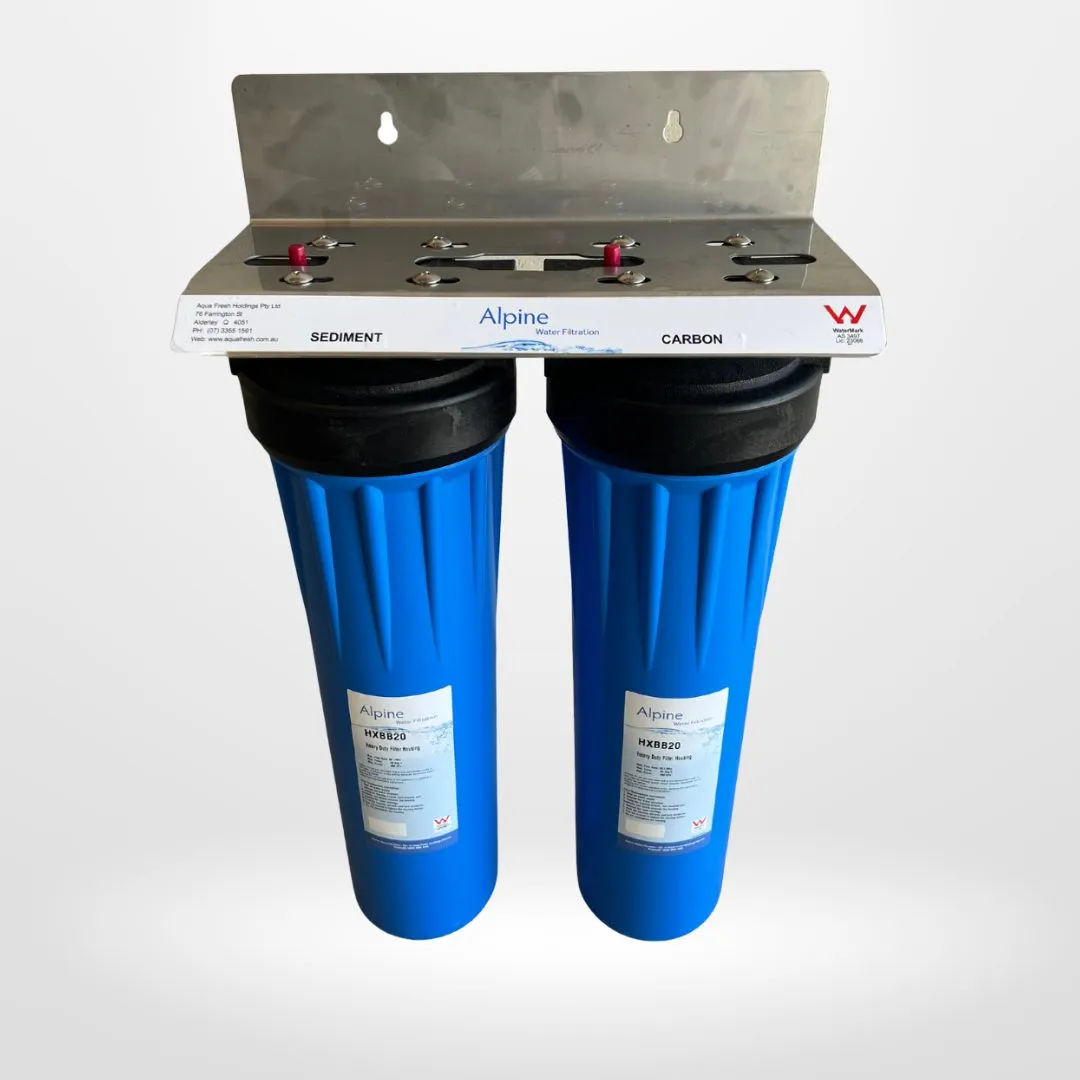
That attention has led many households to explore water filtration systems as part of routine home maintenance rather than as a reaction to alarm. The most informed consumers are no longer choosing filtration based purely on marketing claims. Instead, they are looking at practical variables such as micron ratings, flow rate, filter media, and whether a device addresses the specific issue they care about most. For example, activated carbon can help reduce chlorine-related taste and some organic compounds, while membrane-based treatment may be used when finer particle removal is required. The more useful question is not which technology sounds impressive, but which one matches the actual characteristics of local supply.
Another important trend is a growing appreciation that performance depends on upkeep. A unit that is not maintained can lose efficiency long before any visible change appears. This is why water filter replacement has become a more important public health conversation than many people realise. Filter media eventually becomes saturated. Sediment barriers can clog. Flow may slow, while contaminant reduction may no longer perform at the level expected when the unit was first installed. Homeowners often focus on the initial purchase, yet long-term reliability depends far more on following the service schedule recommended for the conditions of use.
Smaller homes and apartments have also changed how people think about point-of-use treatment. Rather than treating all incoming household supply, many residents now focus only on the water used directly for drinking and food preparation. In that context, a sink water filter has become particularly relevant because it addresses the point where water is consumed most often. This targeted approach can make practical sense in urban households, especially where space is limited and usage patterns are predictable. It also encourages people to think more carefully about kitchen hygiene, cartridge lifespan and the effect of cooking heat on dissolved substances.
Maintenance, however, is not just about cartridges. A frequently overlooked issue is component wear. Seals harden, housings age, and connectors can degrade after repeated pressure changes. Understanding water filter spare parts matters because a poorly fitted seal or damaged fitting can compromise the entire setup, even when the filtration media itself remains functional. In practical terms, good maintenance means understanding the whole assembly rather than assuming every issue is solved by changing the main cartridge.
The most useful lesson from current Australian discussions is that water quality is not a one-size-fits-all issue. Urban apartment residents, rural households using tank water, and families in older homes all face different considerations. A sensible approach begins with understanding local supply reports, recognising household plumbing conditions, and choosing solutions that match real needs rather than general fears.
As public awareness grows, the conversation is becoming more evidence-based. That is a healthy development. Better household decisions are usually not driven by panic but by informed attention to the small details that influence what people drink every day.
Author Bio:
This article was prepared by John, a writer specialising in practical household health topics, with a focus on Australian living conditions and evidence-based guidance around water filtration systems. The aim is to translate technical research into clear, everyday information readers can trust.



























Sign in to leave a comment.