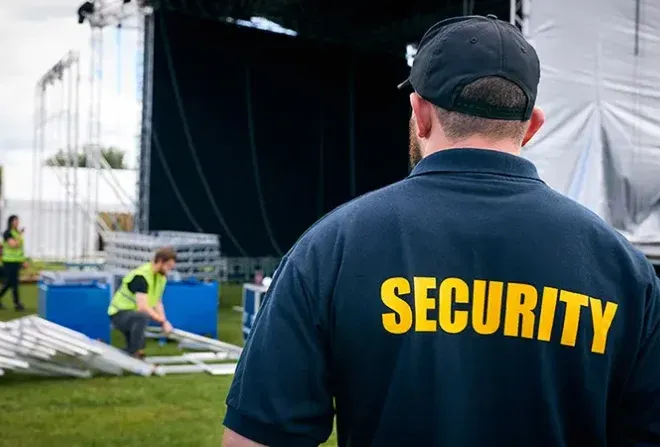

“Crowd behaviour, weather risks and larger public gatherings are changing how Brisbane plans safer, more resilient community events”.
Across Australia, public gatherings are becoming larger, more diverse and more logistically complex. In Brisbane, this shift is especially visible as outdoor festivals, sporting fixtures, markets and cultural celebrations continue to attract strong attendance. But alongside the renewed enthusiasm for community events, organisers are also facing a more complicated risk environment.
In the past, planning for public gatherings often focused mainly on crowd numbers, entry points and emergency exits. Today, the risk profile is much broader. Event organisers now consider heat stress, sudden weather changes, transport bottlenecks, anti-social behaviour, medical incidents and the speed at which misinformation can spread through social media during a live situation. These evolving conditions have changed how public safety is approached across Queensland.
Brisbane’s subtropical climate plays a practical role in this conversation. Outdoor events can move quickly from comfortable conditions to intense heat, storms or high humidity. That matters because crowd behaviour often changes when environmental stress rises. People may cluster around shaded areas, move unpredictably toward exits, or become more vulnerable to dehydration and fatigue. Good planning therefore depends not only on physical infrastructure but on anticipating how people respond under pressure.
This broader understanding has made event security an increasingly strategic part of event planning rather than a simple operational requirement. Security is no longer viewed only as a visible presence at entry gates. Instead, it has become closely linked to crowd flow analysis, incident response coordination and communication between organisers, venue staff and emergency services.
Australian safety research has consistently shown that crowd management works best when prevention is prioritised over reaction. This means identifying potential pressure points before attendees arrive. Narrow walkways, poorly signed exits, queue congestion and unbalanced access to food, shade or amenities can all create avoidable risks. In large public settings, small design choices often have greater impact than dramatic emergency responses.
These practical realities have also influenced the way people think about security services Brisbane more generally. Increasingly, discussions about public safety focus on preparation, observation and de-escalation rather than visible enforcement alone. This is especially important in family-oriented gatherings and community events, where maintaining a calm environment often depends on early intervention and situational awareness.
Technology has also changed the landscape. Many public venues now use digital ticketing, temporary surveillance systems and real-time communication tools to monitor crowd density and movement. Yet technology alone does not solve the problem. Human judgement remains central. Data can highlight unusual movement patterns, but interpreting whether those patterns reflect harmless congestion or developing risk still requires trained assessment.
That is where the concept of security for events has evolved most noticeably. Modern planning increasingly combines physical presence with behavioural awareness. Experienced event teams often pay attention to indicators that are easy for the public to miss—growing agitation in queue lines, confusion around access points, or subtle crowd surges caused by poor information. These early signals can often be addressed long before they escalate.
Public expectations have changed as well. Attendees now expect events to feel safe without feeling heavily controlled. This balance is important. An overly rigid environment can create tension, while a poorly managed one can undermine confidence. The most effective public safety approach is often the least noticeable: smooth entry, clear directions, visible help points and staff who are approachable under pressure.
In Brisbane, transport integration has become another significant factor. Large gatherings often depend on coordinated movement between venues, pedestrian routes and public transport hubs. Delays or unclear wayfinding outside the venue can affect conditions inside it. For organisers, this means safety planning increasingly extends beyond the fenced perimeter of the event itself.
Within this broader framework, the role of a security guard Brisbane is also changing. The role today often involves far more than monitoring access. Guards may assist with crowd guidance, identify welfare concerns, support emergency coordination and respond to behavioural tension before it develops into a larger issue. In practical terms, the most effective presence is often one that combines visibility with calm communication.
Another emerging factor is the return of multi-day events and high-attendance community programs. Fatigue among both attendees and staff can become a genuine risk variable over longer periods. This is why contemporary event planning often includes rotation strategies, welfare checks and clearer communication protocols between operational teams.
What Brisbane’s current event landscape shows most clearly is that public safety has become more adaptive. Organisers are responding not just to isolated incidents but to broader social and environmental conditions that shape how crowds behave. That shift reflects a more mature understanding of risk—one based on preparation, observation and flexibility rather than last-minute reaction.
As the city continues to host larger and more varied gatherings, the future of public events will depend not simply on attendance figures but on how well environments are designed to remain safe, calm and responsive for everyone involved.
Author Bio:
This article was written by Rob, a researcher focused on public risk planning, covering event security and practical safety trends shaping contemporary Australian gatherings.































Sign in to leave a comment.