
Learn how a lavender heating pad works, what it helps with, how to heat it safely, when to avoid it, and how to clean and store it.
A lavender heating pad is a heat pack that gives you two things at once: steady warmth and a gentle lavender smell. The warmth helps tight muscles relax and can make cramps or stiffness feel easier to manage. The lavender scent is often used for calming and comfort, and some research suggests lavender aromatherapy may help with anxiety or stress feelings in some people, though results vary and it’s not a cure.
This guide keeps it simple and practical: what it’s for, how to use it safely, and how to care for it so you don’t overheat it or irritate your skin.
What a lavender heating pad is and how it works
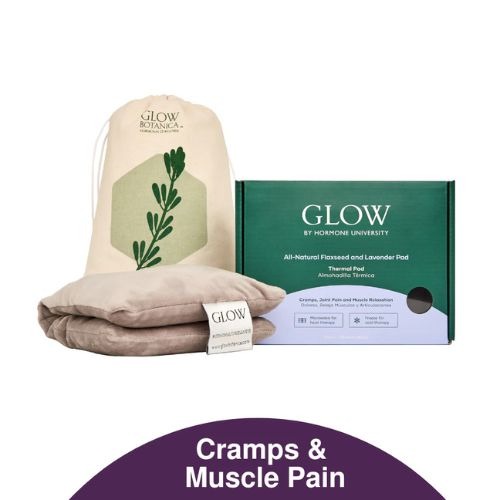
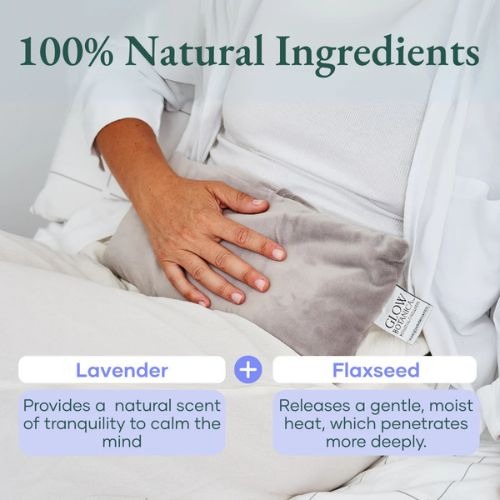
A lavender heating pad is usually a fabric wrap filled with grains (like rice or wheat) and sometimes flaxseed, plus dried lavender or lavender scent. When warmed (often in a microwave), the filling holds heat and releases it slowly.
That slow, steady warmth is the main “work.” Heat therapy can loosen tight muscles and bring a soothing feeling to sore areas. Many reputable health sources suggest keeping heat sessions short (often up to about 20 minutes at a time) to reduce burn risk.
Lavender heating pad benefits for everyday discomfort
A lavender heating pad is commonly used for:
- Menstrual cramps: Heat on the lower belly can feel calming and reduce that “tight” cramp feeling.
- Lower back tightness: Great for stiffness after sitting or light strain.
- Neck and shoulder tension: Especially helpful when stress makes you hunch.
- Sore muscles after workouts: Heat can feel better once swelling is not the main issue.
- Cold feet or hands before bed: Warmth can help you relax (but don’t sleep with a heating pad on).
If the pain is from a fresh injury with swelling (like a new sprain), cold is often preferred early on, and heat is usually better for stiffness and longer-lasting tightness.
How to use a lavender heating pad safely (simple steps)
A lavender heating pad is safe for most people when used carefully, but overheating is the big risk. Here’s the safest approach.
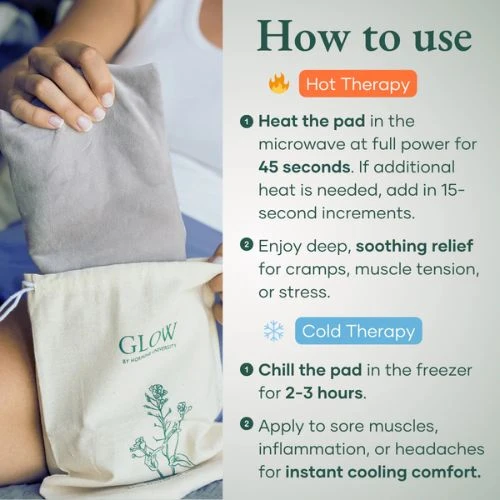
- Start low and short in the microwave. Many manufacturer-style instructions recommend heating in small steps and checking temperature before placing it on your body.
- Check the temperature on your inner wrist first. If it feels too hot there, it’s too hot for sore areas.
- Use a thin layer between pad and skin (like a T-shirt) if your skin is sensitive.
- Limit each session. A common safety guideline is to keep heat therapy to about 15–20 minutes at a time to reduce burn risk.
- Never sleep with it. It’s a common warning because you can’t sense “too hot” as well when you doze off.
- Don’t use it on numb skin. If you have reduced sensation, you’re more likely to burn without realizing it.
Two quick bullet “use cases” (keep it practical):
- Cramps: Place the lavender heating pad on the lower belly for up to ~20 minutes, then take a break. If you want another round, wait and repeat later.
- Neck/shoulders: Drape it over the trapezius area (top of shoulders). Keep your posture relaxed, breathe slowly, and stop if the skin gets red or feels “stingy.”
When a lavender heating pad is not a good idea
Skip a lavender heating pad (or ask a clinician first) if:
- You have diabetes, neuropathy, poor circulation, or reduced sensation, because burn risk is higher.
- You have an open wound, rash, or active skin irritation where you want to place heat.
- The area is newly swollen or you suspect a fresh injury (cold may be better early).
- Lavender smell triggers headache, coughing, or sensitivity (this can happen with aromatherapy).
If heat makes pain worse, swelling increases, or you see blistering, stop and get medical advice.
How to choose a good lavender heating pad (what matters)
When you’re picking a lavender heating pad, focus on things that affect comfort and safety:
- Shape and coverage: Long wraps work well for shoulders; rectangles work for back or abdomen.
- Removable, washable cover: Easier hygiene, less skin irritation risk.
- Heating guidance: Clear instructions (heat time, increments, and warnings) reduce overheating mistakes.
- Filling feel: Some like heavier packs (more pressure, more “hug”), others prefer lighter.
How to care for a lavender heating pad (cleaning, storage, scent)
A lavender heating pad lasts longer when you treat it like a “gentle” fabric item:
- Clean the cover regularly (if removable) and spot-clean the inner pack only if the brand allows it.
- Keep it dry. Moisture can make the filling smell musty and can scorch in a microwave.
- Don’t overheat to “refresh scent.” Overheating can scorch filling and damage the pad. Use short bursts and check temperature.
- Store in a clean, sealed bag to help the lavender smell last longer.
Frequently Asked Questions
How long should you microwave a lavender heating pad?
It depends on size and microwave power, so start with short bursts and check warmth each time. Many instructions suggest heating around 1–1.5 minutes, then adding 15-second increments if needed, checking temperature before use.
How long should you use a lavender heating pad on your body?
A common safety guideline is about 15–20 minutes at a time, then take a break. This helps lower burn risk while still giving muscles time to relax.
Can you sleep with a lavender heating pad on?
It’s not recommended. Major health guidance warns against sleeping with a heating pad because burns can happen when you’re not fully aware of heat levels.
Does lavender in a heating pad do anything?
The main benefit is still heat. Lavender aromatherapy may feel calming for some people, and research suggests possible benefits for anxiety or stress feelings, but results vary and it’s not a medical treatment.
Is a lavender heating pad good for period cramps?
Many people find heat helpful for cramps because it relaxes the area and feels soothing. Use safe timing (short sessions) and stop if you notice skin irritation or worsening pain.
Who should avoid using a lavender heating pad?
People with reduced sensation (like neuropathy), poor circulation, or conditions that raise burn risk should be extra careful or avoid it unless a clinician says it’s safe.
Conclusion
A lavender heating pad is a simple comfort tool: steady warmth for tight muscles and cramps, plus a calming scent for many people. The key is safe use: heat in short bursts, check temperature, keep sessions around 15–20 minutes, and never fall asleep with it on. If you treat it gently and keep it clean and dry, a lavender heating pad can stay reliable, soothing, and easy to reach for on rough days.





















Sign in to leave a comment.