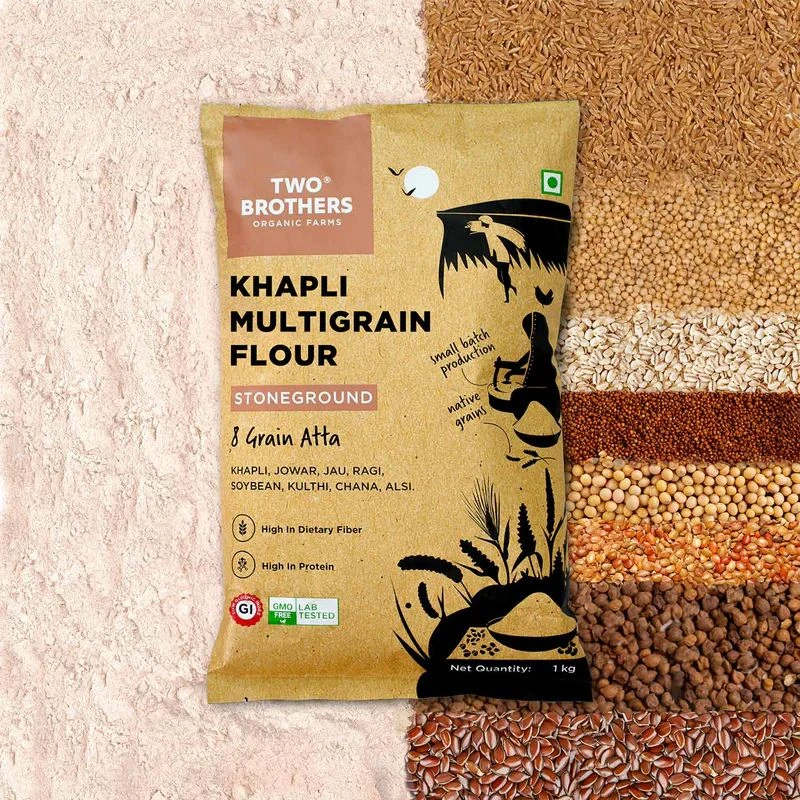

Learn what khapli multigrain atta is, its key benefits, who it suits, and simple tips for softer rotis, better digestion, and steady energy.
When you’re trying to eat better without giving up rotis, flour choice matters more than people think. The goal is simple: steady energy, better digestion, and a dough that still behaves well. That’s where khapli multigrain atta fits in. It’s typically made using khapli (emmer) wheat and a multigrain blend, aiming for a balance of nutrition and everyday usability.
Khapli multigrain atta: what it is and why it feels different
Khapli multigrain atta is built around khapli wheat (also called emmer wheat), an older variety of wheat that’s commonly described as having a nuttier taste and a different gluten structure than modern wheat.
When brands make a multigrain version, they usually combine khapli wheat with other grains or “supergrains” to increase fiber and micronutrients while keeping rotis practical for daily meals. Product descriptions often highlight the “khapli + supergrains” idea and position it as a high-fiber swap for regular atta.
What you’ll notice at home:
- Dough may need a little more water than regular wheat flour.
- Rotis can taste slightly nuttier and feel lighter for some people compared to regular wheat.
- The texture can vary depending on how finely it’s milled and what grains are blended in.
Khapli multigrain atta benefits for daily meals
People choose khapli multigrain atta for benefits that matter in real life: digestion, fullness, and fewer energy crashes. Many sources point to higher fiber and a slower release of energy as key reasons people prefer khapli-based flour.
Here’s what that can mean in your routine:
- Steadier energy: Often described as “lasting energy” compared to refined or highly processed staples.
- Better fullness: Higher fiber can help you feel full longer, which helps with portion control.
- Digestive comfort: Many write-ups highlight fiber and “lighter” digestion versus some modern wheat flours.
If your household eats rotis daily, switching to khapli multigrain atta is one of the simplest “no-drama” upgrades because it doesn’t require changing your entire meal style.
How to use khapli multigrain atta for soft rotis
If you want soft rotis, technique matters as much as the flour. With khapli multigrain atta, the biggest mistake is making the dough too tight.
A simple method that works well:
- Add water gradually: Start with a little less, then add slowly until the dough is soft and slightly tacky (not sticky). Dough may absorb more water than regular wheat.
- Rest the dough: Give it 15–25 minutes covered. This helps hydration and improves rolling.
- Use gentle dry flour while rolling: Too much dry flour can make rotis stiff.
- Cook on a hot tawa: A properly heated tawa helps puffing and keeps rotis soft.
If rotis feel dense, try: slightly more water + longer rest. Once you dial this in, khapli multigrain atta becomes easy to use every day.
Khapli multigrain atta for diabetes and weight goals
A lot of interest in khapli multigrain atta comes from blood sugar concerns. Several sources discuss khapli wheat as lower GI (often cited around the mid-40s to 50s range), which can support steadier blood sugar response compared to higher-GI wheat products.
Important nuance: “lower GI” doesn’t mean unlimited portions. The most helpful approach is still:
- Keep portion sizes sensible
- Pair rotis with protein + fiber-rich sabzi + dal
- Avoid eating rotis alone (this is commonly recommended for steadier blood sugar)
For weight goals, the practical win is often satiety. Higher fiber meals can keep you full longer, reducing snacking.
So yes, khapli multigrain atta can fit these goals, but your plate balance still decides the outcome.
How to store khapli multigrain atta so it stays fresh
Because multigrain flours can have more natural oils from grains and seeds, freshness matters. For khapli multigrain atta, follow these basics:
- Store in an airtight container away from heat and sunlight
- Keep it dry (moisture is the enemy)
- Buy a pack size you’ll finish in a reasonable time, especially in humid weather
If you notice a strong stale smell, it’s time to replace it.
Frequently Asked Questions
What is khapli wheat (emmer wheat) flour?
Khapli flour is made from khapli (emmer) wheat, an older wheat variety known for a nutty taste and a different gluten structure than modern wheat.
Is khapli wheat good for diabetes?
Many sources describe khapli wheat as a lower-GI option and a better everyday choice when paired with balanced meals and sensible portions.
Does khapli wheat increase blood sugar?
It can raise blood sugar like any grain, but it’s commonly described as causing a slower rise due to a lower GI and better meal pairing.
Is khapli atta gluten-free?
No. Khapli is wheat (emmer wheat), so it contains gluten, even if some people find it “lighter” than regular wheat.
What’s the difference between khapli atta and regular wheat atta?
Khapli is an ancient wheat variety; regular atta is usually modern wheat. Many comparisons highlight differences in gluten behavior, taste, and how “heavy” it feels for some people.
How do I make soft rotis with multigrain khapli flour?
Use slightly more water if needed, rest the dough, and cook on a properly hot tawa. Dough hydration and resting time are key.
Khapli multigrain atta conclusion
If your goal is healthier everyday rotis without changing your food habits, khapli multigrain atta is a solid upgrade: more fiber, steadier energy for many people, and a taste that feels more “whole” than regular flour.
Get the dough hydration right, pair rotis with protein and vegetables, and you’ll actually feel the difference that khapli multigrain atta is meant to deliver.




























Sign in to leave a comment.