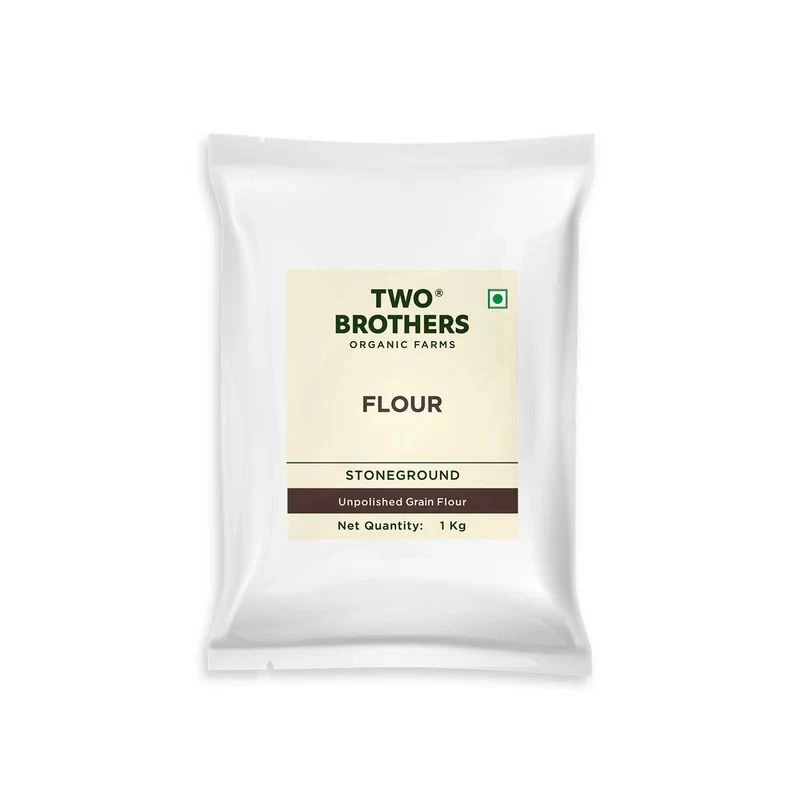

Learn what khapli wheat flour is, how it differs from regular wheat, key benefits, best uses for rotis and baking, and storage tips.
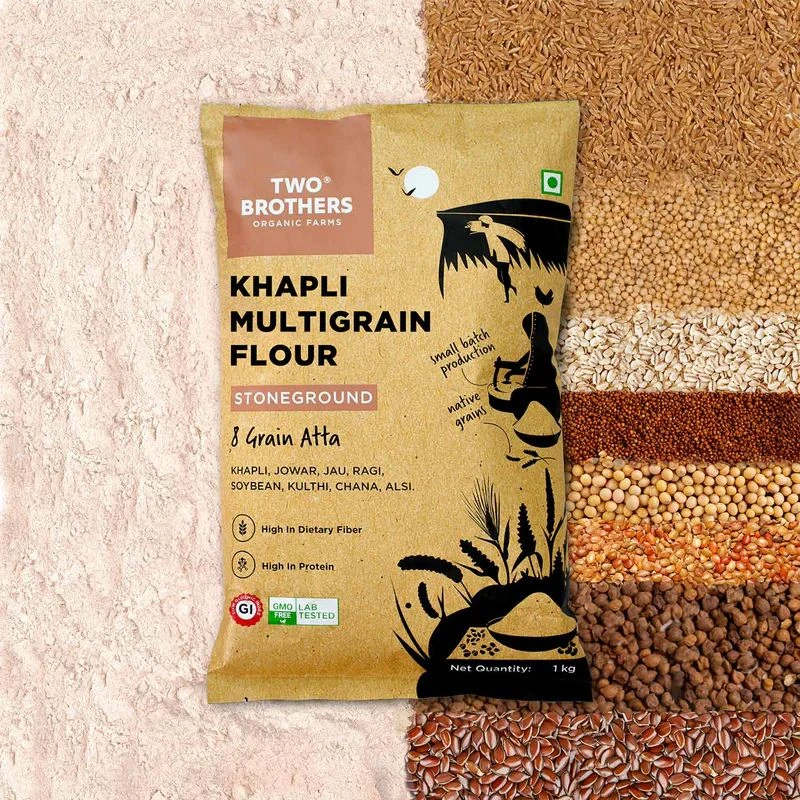
Khapli wheat flour (also called emmer wheat atta) is made from an older variety of wheat known for being less processed and less “modern hybrid” in character. It’s commonly described as lower in gluten and higher in fiber compared to regular wheat flour, and many people choose it because it feels lighter on the stomach while still working well for Indian meals like rotis.
One important point: khapli wheat flour is not gluten-free. It can be “low gluten,” but it still contains gluten, so it’s not right for celiac disease or strict gluten-free diets.
Khapli Wheat Flour Benefits for Daily Meals
People usually switch to khapli wheat flour for practical, day-to-day reasons, not because it’s trendy.
The most talked-about benefits include:
- More dietary fiber: Higher fiber can help you feel full and support regular digestion.
- Lower gluten (weaker structure): It’s still wheat, but the gluten level/structure is often described as lower or gentler than typical market wheat, which some people find easier to digest.
- Nutty, hearty taste: Rotis can feel slightly denser and more wholesome, which many people actually like once they adjust.
A simple way to think about it: khapli wheat flour is often chosen by people who want wheat-based rotis, but want a flour that feels more “whole” and fiber-forward.
How to Use Khapli Wheat Flour for Rotis, Parathas, and Baking
Khapli wheat flour behaves a bit differently from regular atta. The biggest change you’ll notice is hydration and texture.
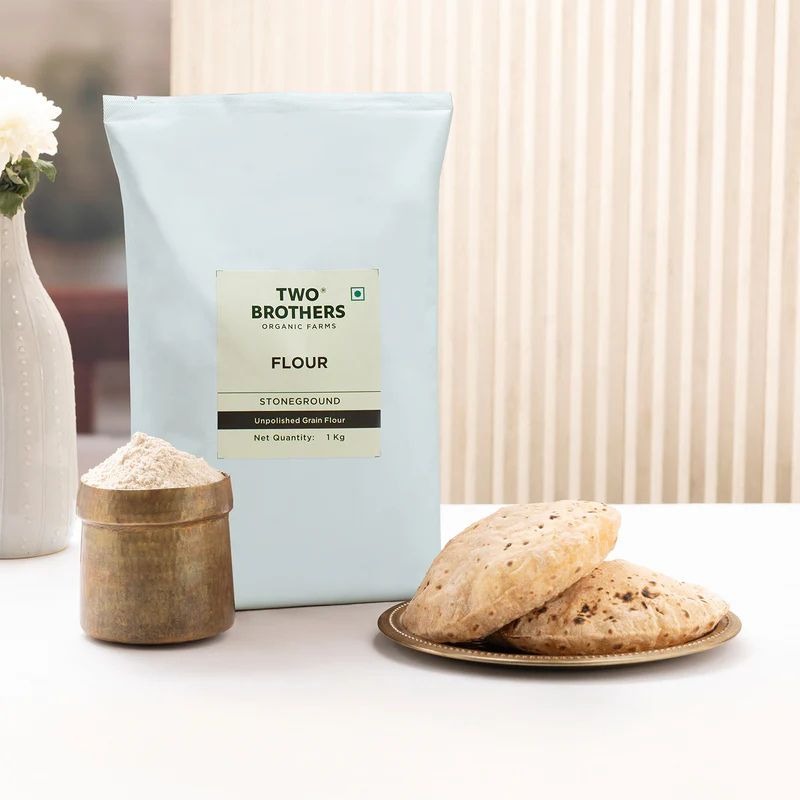
1) Rotis and phulkas
For soft rotis:
- Start with your usual dough method, but expect to add a little extra water compared to regular wheat.
- Let the dough rest a bit longer if it feels tight.
- Roll gently. If it cracks at the edges, add a few drops of water and rest again.
This matters because khapli wheat flour can absorb water differently, and the dough may need a touch more rest time to relax.
2) Parathas and stuffed breads
Parathas work great with khapli wheat flour because the slightly hearty texture holds fillings well. Use a bit of oil or ghee while laminating to prevent dryness.
3) Baking (bread, muffins, cookies)
If you bake with khapli wheat flour, expect:
- A more wholesome, slightly denser crumb
- Better results when you mix it with other flours (especially for airy cakes)
A common practical approach is mixing khapli wheat flour with regular whole wheat or all-purpose flour until you find your preferred softness. Also, many product guides recommend adding more liquid and baking at slightly lower temps for better browning control.
Who Should Choose Khapli Wheat Flour?
This is where people usually want a clear answer.
Khapli wheat flour may be a good fit if you:
- Want a wheat flour that’s often described as lower gluten (but not gluten-free)
- Want more fiber in daily rotis
- Prefer traditional, nutty flavor and don’t mind slightly denser rotis
Skip khapli wheat flour if you:
- Need a strict gluten-free diet (celiac disease or medical gluten avoidance)
If you’re trying khapli wheat flour for the first time, the best move is simple: start with rotis, adjust water slowly, and give your taste buds a few meals to adapt.
How to Buy and Store Khapli Wheat Flour
Buying tip: look for clear labeling that it’s emmer/khapli and check freshness and storage guidance. Many brands also share lab-test or nutrition info (like gluten and fiber ranges), which helps you compare quality.
Storage basics for khapli wheat flour:
- Keep it in an airtight container
- Store in a cool, dry place
- If you buy larger quantities, consider refrigeration for longer freshness
Frequently Asked Questions
Is khapli wheat flour gluten-free?
No. Khapli wheat flour is low in gluten compared to many modern wheat flours, but it is not gluten-free.
Can I eat khapli wheat flour daily?
Many people do use khapli wheat flour as a daily atta for rotis. If you’re new to it, start with a mix (like half khapli, half regular) and see how your digestion and taste preference respond.
What is khapli wheat flour used for?
Khapli wheat flour is commonly used for chapatis/rotis, parathas, and also baking like cookies or breads, especially if you like a more hearty texture.
Is khapli wheat flour better than regular wheat flour?
“Better” depends on your goal. People choose khapli wheat flour mainly for higher fiber, a lower-gluten profile, and a more traditional, nutty taste compared to typical market wheat.
Can I use khapli wheat flour for baking?
Yes. Khapli wheat flour works for baking, but baked goods can turn denser. Add a bit more liquid and consider mixing with other flours for lighter results.
How do I store khapli wheat flour to keep it fresh?
Store khapli wheat flour in an airtight container in a cool, dry place. For longer storage (especially in humid weather), keep it in the fridge or freezer.
Conclusion
If you want a wheat flour that feels more fiber-rich and traditionally grounded, khapli wheat flour is a strong option to try. It’s not gluten-free, but it’s widely described as lower in gluten than typical wheat flour, and it can work beautifully for rotis once you learn the simple tweaks: a little more water, a bit more rest, and gentle rolling. Start small, stay consistent for a few meals, and you’ll quickly know if khapli wheat flour fits your kitchen and your body.





























Sign in to leave a comment.