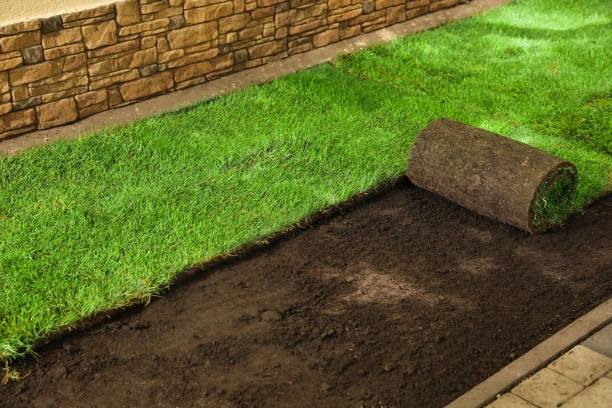

A healthy, green lawn can completely transform an outdoor space, but success depends on laying grass turf correctly from the very beginning. Rushing the process or missing essential preparation steps often leads to uneven growth, poor drainage, and patchy results. With the right approach, turf laying delivers a durable lawn that looks good and performs well for years.
This guide explains how to approach turf installation properly, from groundwork preparation to aftercare, ensuring long-lasting results for gardens of all sizes.
Why Correct Turf Laying Matters
Laying grass turf is more than simply rolling out turf and watering it. The quality of the base, soil condition, and installation technique all play a crucial role in how well a lawn establishes. Poor preparation can cause turf to dry out, lift, or fail to root into the soil below.
Professional turf laying focuses on building a stable foundation that supports healthy root growth. When turf installation is carried out correctly, the lawn establishes faster, resists wear, and maintains a consistent appearance throughout the seasons.
Preparing the Ground for Turf Installation
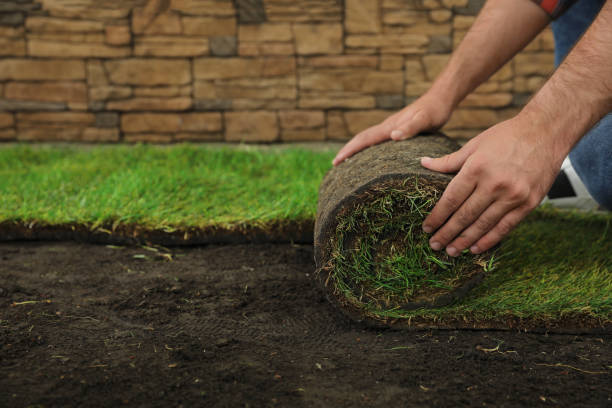
Ground preparation is the most important stage of laying grass turf. Begin by removing existing grass, weeds, stones, and debris. Any vegetation left beneath the turf can interfere with root development and cause uneven growth later.
Once cleared, the ground should be levelled and compacted to create a firm base. Low spots encourage water pooling, while raised areas may dry out too quickly. Adding high-quality topsoil improves drainage and nutrient content, giving turf the best possible start.
The Lawn Turf Laying Company places strong emphasis on proper groundwork, ensuring every lawn receives the correct soil depth and structure before turf installation begins.
Choosing the Right Turf for the Garden
Different gardens require different turf types. Factors such as sunlight exposure, foot traffic, and soil conditions should guide turf selection. For example, family gardens benefit from hard-wearing turf, while ornamental lawns may prioritise appearance over durability.
Selecting the right turf supports long-term lawn health and reduces maintenance issues. When laying lawn turf, fresh, high-quality rolls should always be used to promote fast rooting and uniform growth.
Laying Grass Turf Correctly
Timing is critical when laying grass turf. Turf should be installed immediately after delivery to prevent drying out. Start laying lawn turf along a straight edge, such as a path or patio, and work across the area in a brickwork pattern to avoid visible lines.
Each roll should be laid tightly against the next without overlapping or stretching. Gaps allow edges to dry out, while overlapping turf creates uneven surfaces. After installation, lightly firm the turf using a roller or board to ensure good contact with the soil below.
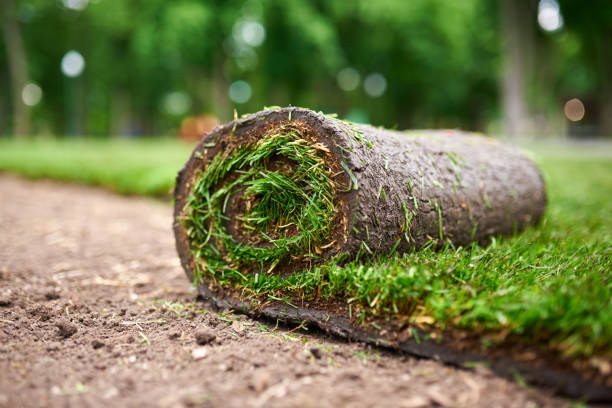
Correct turf laying techniques help roots bond quickly with the ground, creating a stable and resilient lawn surface.
Watering After Turf Installation
Watering is essential immediately after laying grass turf. The soil beneath the turf must be thoroughly soaked to encourage root growth. Light watering only wets the surface and does little to support establishment.
For the first two weeks, keep the turf consistently moist, especially during dry or warm weather. Avoid walking on the lawn during this period to prevent movement or damage. Once roots begin to establish, watering frequency can be gradually reduced.
Ongoing Lawn Care for Long-Lasting Results
After turf installation, mowing should only begin once the grass reaches around 5–7 cm in height. The first cut should remove no more than one-third of the grass length to avoid stress.
Feeding the lawn with a suitable fertiliser supports strong growth, while regular mowing maintains a neat appearance. Aeration and scarification later in the year help improve drainage and reduce thatch build-up.
The Lawn Turf Laying Company advises consistent maintenance to protect the investment made during turf laying and ensure the lawn remains healthy year after year.
Common Mistakes to Avoid When Laying Lawn Turf
Skipping soil preparation is one of the most common causes of turf failure. Uneven ground and compacted soil prevent roots from establishing properly. Delaying installation after delivery can also lead to turf drying out before it is laid.
Incorrect watering habits, either too little or too much, often cause problems during early growth. Careful attention during the first few weeks makes a significant difference to long-term success.
Why Professional Turf Laying Makes a Difference
Professional turf installation provides expertise, efficiency, and reliable results. Experience ensures correct soil preparation, precise levelling, and expert installation techniques. The Lawn Turf Laying Company specialises exclusively in turf laying, delivering consistent quality for residential and commercial projects across the UK.
Professional installation reduces the risk of future problems and ensures the lawn establishes quickly and evenly.
Frequently Asked Questions
How long does grass turf take to establish?
Grass turf usually establishes within two to three weeks, depending on weather conditions and aftercare. Avoid heavy use until roots are firmly anchored.
Can grass turf be laid at any time of year?
Laying grass turf is possible throughout most of the year, except during frost or extreme heat. Spring and autumn provide the best conditions for turf installation.
How soon can a new lawn be used?
Light foot traffic may begin after three weeks, once the turf has rooted. Heavy use should be avoided for at least six weeks.
Does turf need fertilising after installation?
A light fertiliser can be applied after four to six weeks to encourage healthy growth, provided the turf has established properly.
Why choose The Lawn Turf Laying Company?
The Lawn Turf Laying Company offers specialist turf laying services with expert groundwork, premium materials, and a proven approach to long-lasting lawn results.
























Sign in to leave a comment.