
Introduction: Why Traditional Lead Generation Is No Longer Enough
B2B lead generation has changed dramatically. Cold email blasts, purchased databases, and generic ad campaigns no longer deliver predictable results. Buyers are more informed, more selective, and more digitally active than ever before.
Today’s B2B companies need smarter, signal-driven, and highly targeted strategies to generate qualified leads consistently. The focus is shifting from volume to precision, from random outreach to strategic engagement.
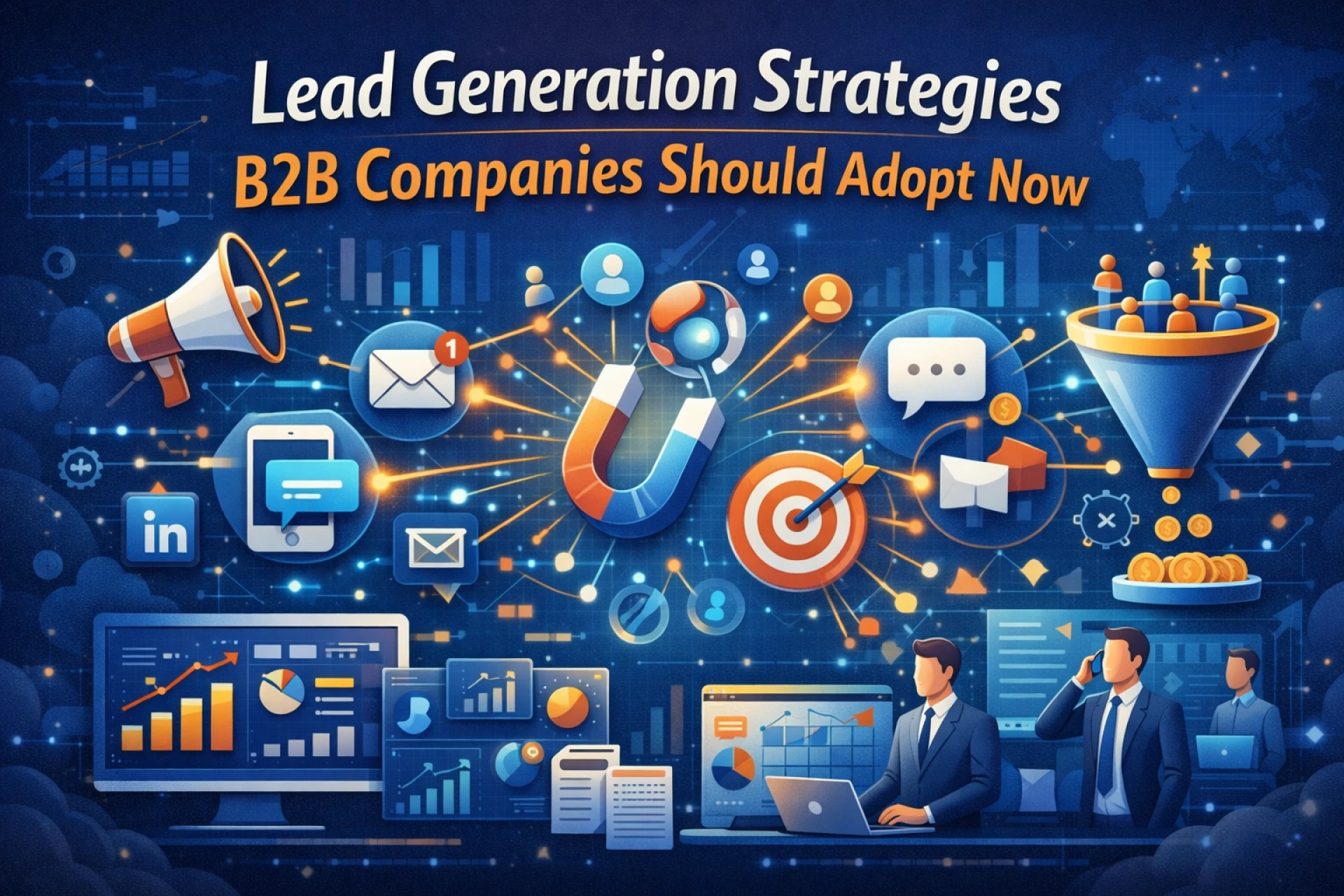
If you want sustainable pipeline growth, these are the lead generation strategies B2B companies should adopt now.
1. Define and Refine Your Ideal Customer Profile (ICP)
Every successful lead generation strategy begins with clarity. Without a clearly defined Ideal Customer Profile, marketing and sales efforts become inefficient and expensive.
Modern B2B companies must go beyond basic firmographics. A strong ICP should include:
- Industry and sub-sector
- Company size and revenue stage
- Technology stack
- Growth signals (funding, hiring, expansion)
- Buying committee roles
- Behavioral intent indicators
Refining your ICP ensures you target accounts that are most likely to convert and retain. Precision targeting improves lead quality before outreach even begins.
2. Adopt Signal-Based Prospecting
Static lists are outdated. Today’s most effective lead generation strategies rely on buying signals.
Signal-based prospecting identifies accounts actively showing intent through behaviors such as:
- Visiting pricing pages
- Engaging with industry content
- Hiring for relevant roles
- Announcing funding
- Searching for solution-related keywords
By acting on these signals in real time, B2B companies engage prospects during active buying windows.
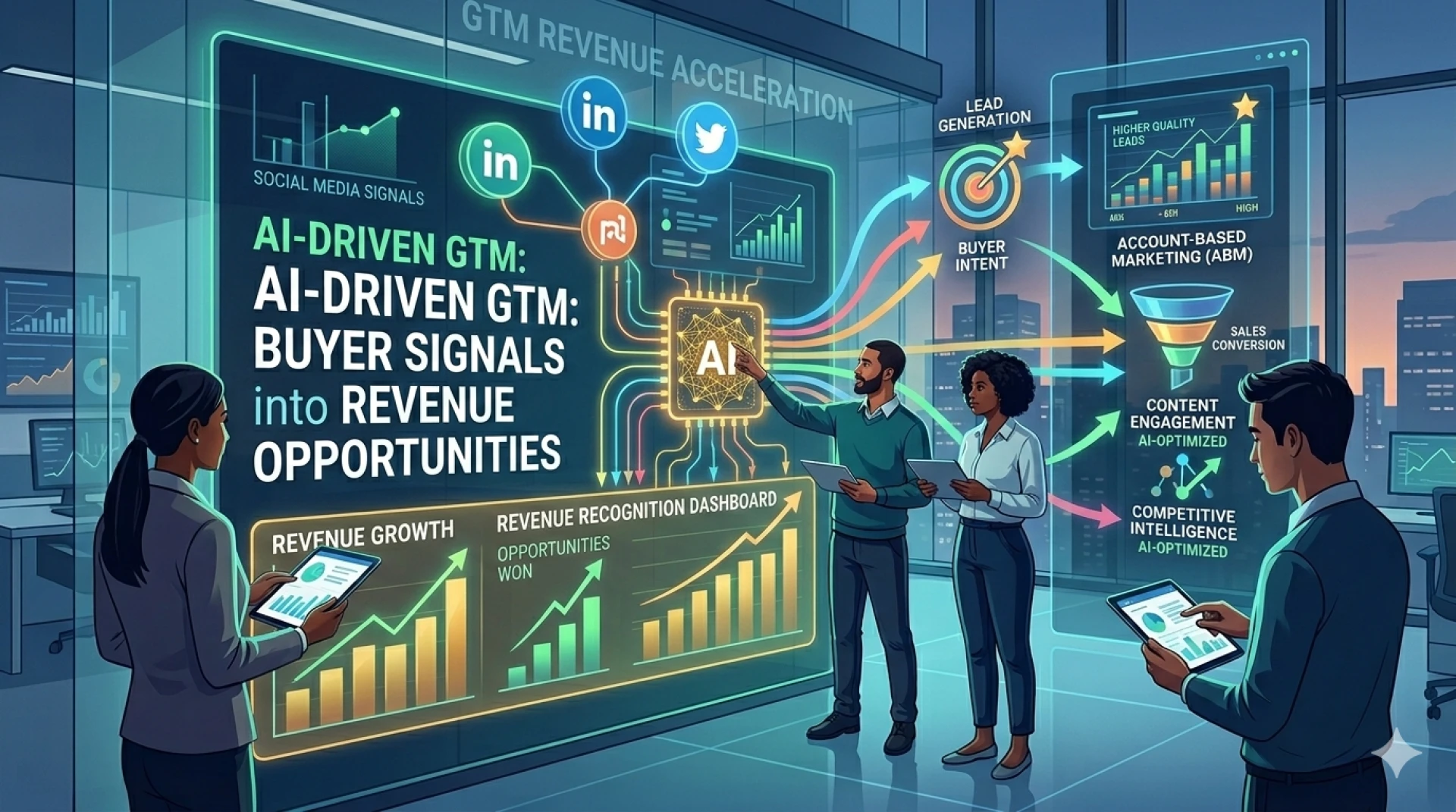
Advanced GTM platforms like Tapistro help unify these cross-channel signals and convert them into coordinated outreach workflows, making signal-based prospecting scalable and efficient.
Intent-driven targeting increases conversion rates significantly.
3. Automate Cross-Channel Outreach
Relying on a single outreach channel limits exposure. Buyers move across platforms, email, LinkedIn, websites, webinars, and ads.
Modern lead generation requires cross-channel orchestration, where messaging is coordinated across multiple touchpoints.
For example:
- Connect on LinkedIn
- Follow up via personalized email
- Retarget with relevant ads
- Engage with prospect content
- Schedule sales follow-up at peak engagement
Automation ensures these actions are synchronized rather than scattered. Cross-channel engagement builds familiarity and accelerates trust.
4. Invest in Account-Based Marketing (ABM)
Account-Based Marketing focuses on high-value accounts instead of broad audience targeting. Instead of generating thousands of generic leads, ABM prioritizes quality over quantity.
ABM strategies include:
- Personalized content for target accounts
- Executive-level outreach
- Industry-specific case studies
- Tailored ad campaigns
- Coordinated sales and marketing engagement
ABM aligns revenue teams around strategic accounts and typically results in higher deal sizes and shorter sales cycles.
5. Strengthen Data Enrichment and CRM Hygiene
Poor data quality leads to poor lead quality. B2B companies must continuously enrich and validate their account and contact data.
Data enrichment ensures accurate:
- Job titles and decision-maker roles
- Company size and revenue brackets
- Technology usage
- Geographic expansion
- Intent activity
Accurate CRM data improves segmentation, personalization, and prioritization. Without enriched data, even the best automation strategies will underperform.
Clean data is the backbone of effective lead generation.
6. Create High-Value Thought Leadership Content
Modern B2B buyers research extensively before speaking to sales. Content-driven lead generation builds authority and trust before direct outreach begins.
Effective content strategies include:
- Industry-specific guides
- Data-driven reports
- Webinars and panel discussions
- Educational LinkedIn posts
- Problem-focused blog articles
Instead of promotional messaging, focus on solving real industry challenges. Thought leadership positions your company as a trusted advisor rather than a vendor.
Trust accelerates conversion.
7. Leverage AI-Powered Personalization
Personalization has moved beyond inserting a first name into an email subject line. AI-powered tools can analyze account data and tailor messaging based on industry, role, recent activity, and pain points.
For example, messaging can dynamically adjust based on:
- A company’s growth stage
- Recent funding announcements
- Technology adoption
- Engagement with prior content
This level of personalization increases reply rates and strengthens engagement. AI allows companies to scale personalization without increasing manual workload.
8. Prioritize Lead Quality Over Lead Quantity
One of the biggest mistakes B2B companies make is chasing high lead volumes. More leads do not always mean more revenue.
Instead, measure success through:
- Marketing Qualified Leads (MQL) to Sales Qualified Leads (SQL) conversion
- Pipeline contribution per channel
- Revenue generated per campaign
- Account engagement depth
Focusing on quality improves sales productivity and reduces wasted effort.
Revenue is the ultimate metric.
9. Align Marketing and Sales Around Shared Metrics
Lead generation fails when marketing and sales operate in silos. Marketing focuses on generating leads, while sales focuses on closing deals.
Modern B2B companies must align both teams around shared metrics such as:
- Pipeline growth
- Revenue contribution
- Account engagement scores
- Customer acquisition cost
Shared visibility ensures better collaboration and more consistent follow-up on high-intent accounts.
Alignment drives predictable growth.
10. Continuously Optimize Through Data Analysis
Lead generation is not static. What works today may not work tomorrow.
Regularly analyze campaign performance to identify:
- High-performing channels
- Conversion bottlenecks
- Engagement drop-off points
- Messaging effectiveness
A data-driven approach allows companies to refine targeting, adjust messaging, and reallocate resources effectively.
Optimization ensures long-term scalability.
The Shift Toward Intelligent GTM
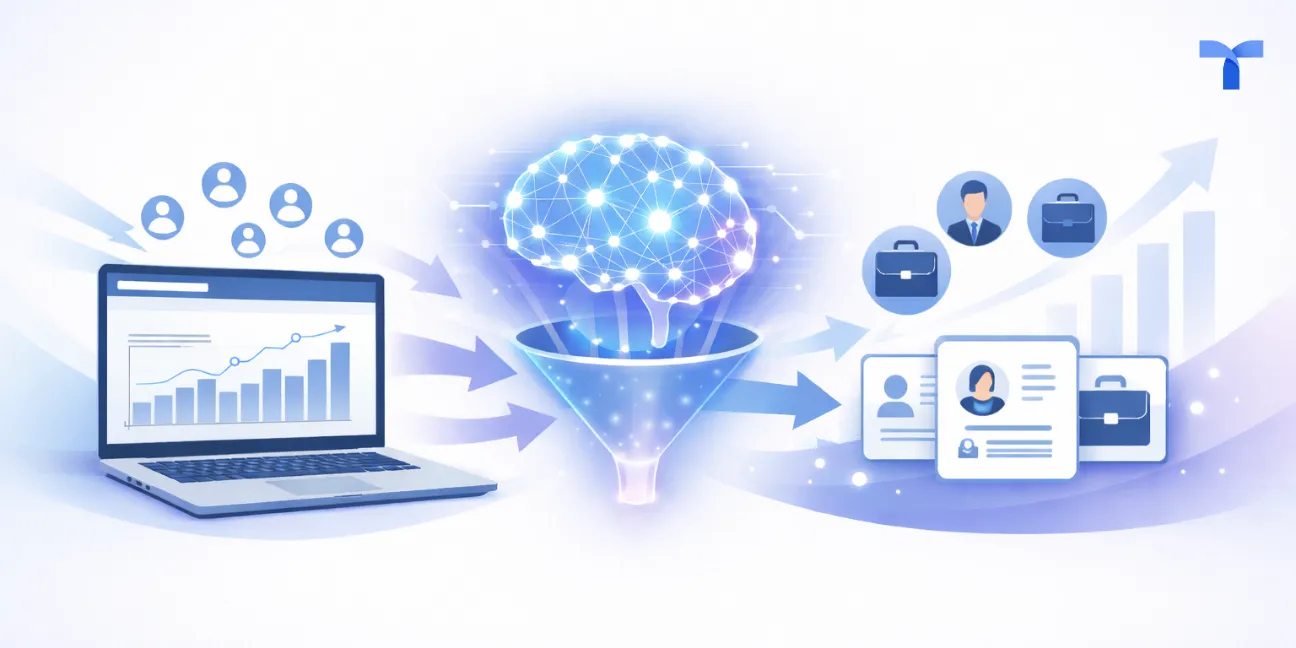
The future of B2B lead generation lies in intelligent orchestration. Instead of disconnected campaigns, companies are adopting unified systems that integrate data enrichment, signal detection, cross-channel outreach, and AI prioritization.
Lead generation is evolving from manual prospecting to autonomous revenue execution. Companies that embrace this shift will respond faster, engage more strategically, and convert more efficiently.
The difference between average growth and scalable growth lies in execution intelligence.
Final Thoughts: Build a Smarter Lead Generation Engine
B2B lead generation today requires precision, coordination, and adaptability.
By refining your ICP, leveraging buying signals, automating cross-channel outreach, enriching data, and aligning teams around revenue metrics, you build a sustainable growth engine.
The companies that adopt these modern strategies now will not just generate more leads, they will generate better leads, faster pipeline movement, and stronger long-term revenue.
























Sign in to leave a comment.