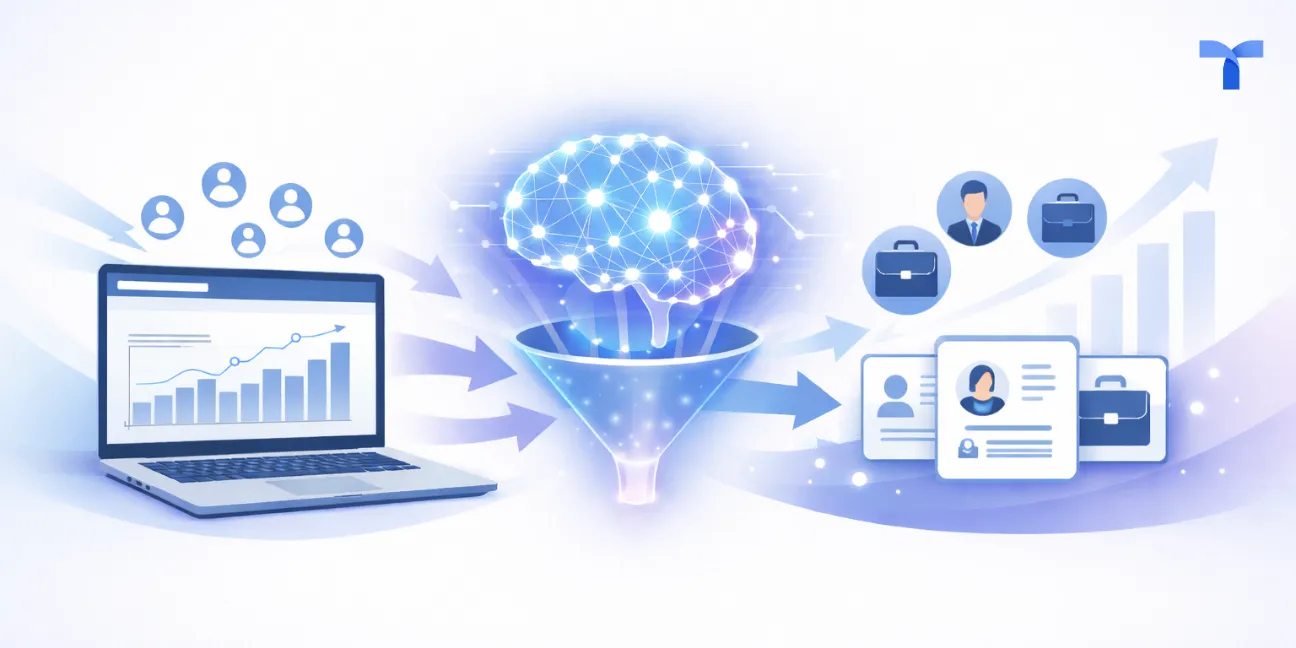

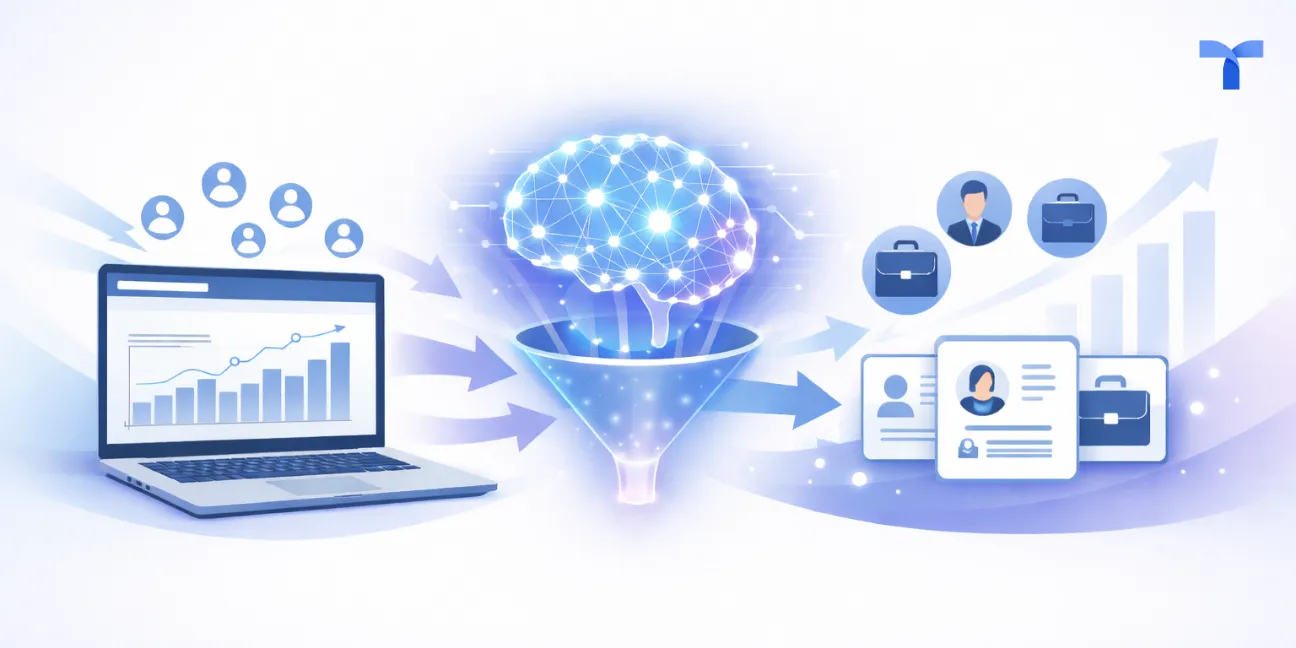
For many B2B companies, driving traffic to the website is no longer the biggest challenge—turning that traffic into qualified opportunities is. Businesses invest heavily in SEO, paid campaigns, and content marketing, yet a large percentage of visitors leave without taking action. This is where AI is changing the game. As discussed in How AI Converts Website Traffic into B2B Leads, modern businesses are now using intelligent systems to understand visitor behavior, personalize engagement, and improve conversion performance at every stage of the buyer journey.
AI helps B2B brands move beyond static forms and one-size-fits-all website experiences. Instead of waiting for visitors to fill out a contact form, AI analyzes browsing patterns, time spent on pages, repeat visits, scroll behavior, and content interactions to identify intent. This enables businesses to engage prospects at the right moment with relevant messaging, which significantly improves website conversion rates.
One of the most effective ways AI boosts conversions is through real-time personalization. Today’s B2B buyers expect tailored experiences. If a visitor from the SaaS industry lands on your website, AI can dynamically display industry-specific messaging, relevant case studies, or customized call-to-action buttons. Similarly, if an enterprise visitor spends time on pricing or solution pages, the system can trigger highly targeted prompts that encourage demo requests or direct conversations with the sales team.
This level of personalization reduces friction in the decision-making process. Instead of forcing every visitor into the same journey, AI adapts the website experience based on user intent and behavior. This makes prospects feel understood and increases the likelihood of conversion.
Another key factor is intelligent lead qualification. Many websites generate inquiries that are not ready for sales conversations, which can waste valuable team resources. AI-driven B2B Lead Generation strategies use behavioral data and engagement history to identify high-quality leads. By scoring visitors based on intent signals, businesses can prioritize the prospects most likely to convert.
For example, a visitor who downloads a whitepaper, returns multiple times, and checks the pricing page within a few days may be a strong sales opportunity. AI recognizes these behaviors and automatically flags them for follow-up. This not only improves response speed but also ensures revenue teams focus on the right prospects.
AI also strengthens conversion through smarter chat and conversational experiences. Traditional contact forms often create friction because they require users to take deliberate action. AI-powered chat systems reduce this barrier by offering immediate assistance. These systems can answer common questions, recommend resources, schedule demos, and even route leads to the right sales representative instantly.
This is especially powerful when integrated with sales signals automation, where website actions trigger automated workflows in real time. For instance, when a high-intent visitor repeatedly checks product pages, the system can automatically notify the sales team, send personalized follow-up emails, or trigger LinkedIn outreach sequences.
Another major advantage is data-driven optimization. AI continuously analyzes which landing pages, CTAs, content blocks, and user journeys perform best. Instead of relying on guesswork, businesses can use real insights to refine their website strategy. AI can identify where users drop off, which sections drive engagement, and what messaging converts best across audience segments.
For companies using Marketing Automation Software, AI adds an intelligent layer that enhances existing workflows. It helps automate nurture sequences, personalize messaging, and ensure that leads continue moving through the funnel even after they leave the website. This consistent engagement helps improve long sales cycles, which are common in B2B environments.
A strong example of this can be seen through platforms like help.tapistro, where businesses can use AI-driven workflows to convert anonymous visitors into qualified pipeline opportunities. By combining visitor intelligence, automation, and personalized engagement, companies can significantly improve lead conversion efficiency.
AI also helps optimize mobile and cross-device experiences. Many B2B buyers begin research on one device and continue later on another. AI tracks these behaviors to create a unified journey, ensuring messaging remains relevant and consistent across touchpoints.
In conclusion, increasing B2B website conversion rates today requires more than better design or stronger traffic acquisition. AI enables businesses to understand visitor intent, personalize user experiences, automate timely engagement, and prioritize high-quality opportunities. From intelligent scoring to conversational workflows and predictive insights, AI helps transform websites into revenue-generating assets. Businesses that adopt these strategies now will be better positioned to improve conversions, shorten sales cycles, and drive sustainable growth in 2026 and beyond.






















Sign in to leave a comment.