

Building an online presence used to be the exclusive domain of big corporations with deep pockets and dedicated marketing departments. Today, that has changed completely. A small bakery, a local law firm, a one-person consultancy — any business can compete online if they understand the fundamentals and apply them consistently.
The challenge is not access. It is knowing where to start, what to prioritize, and how to avoid wasting time on tactics that do not move the needle.
This guide walks you through the most important building blocks of a solid online presence — the kind that attracts customers, builds trust, and compounds over time.
Start with a clear understanding of your audience
Before you write a single piece of content, buy a single ad, or post anything on social media, you need to understand who you are trying to reach. This sounds obvious, but most small businesses skip it.
Ask yourself: Who is my ideal customer? What problems are they trying to solve? Where do they spend time online? What language do they use when they search for solutions like mine?
The answers to these questions shape every decision that follows — from which platforms you use to how you write your website copy to what kind of content you produce.
If you skip this step, you end up creating content for everyone, which in practice means creating content for no one.
Your website is your foundation
Social media platforms come and go. Algorithms change without warning. But your website is a piece of digital real estate you own and control completely.
A good small business website does not need to be large or complex. What it needs is clarity. A visitor should be able to understand within five seconds what you do, who you help, and how to get in touch or make a purchase.
Key elements every small business website should have:
- A clear headline that speaks to your customer's problem, not just your company name
- Simple navigation that makes it easy to find information
- Social proof in the form of reviews, testimonials, or case studies
- A clear call to action on every page
- Fast loading times, especially on mobile
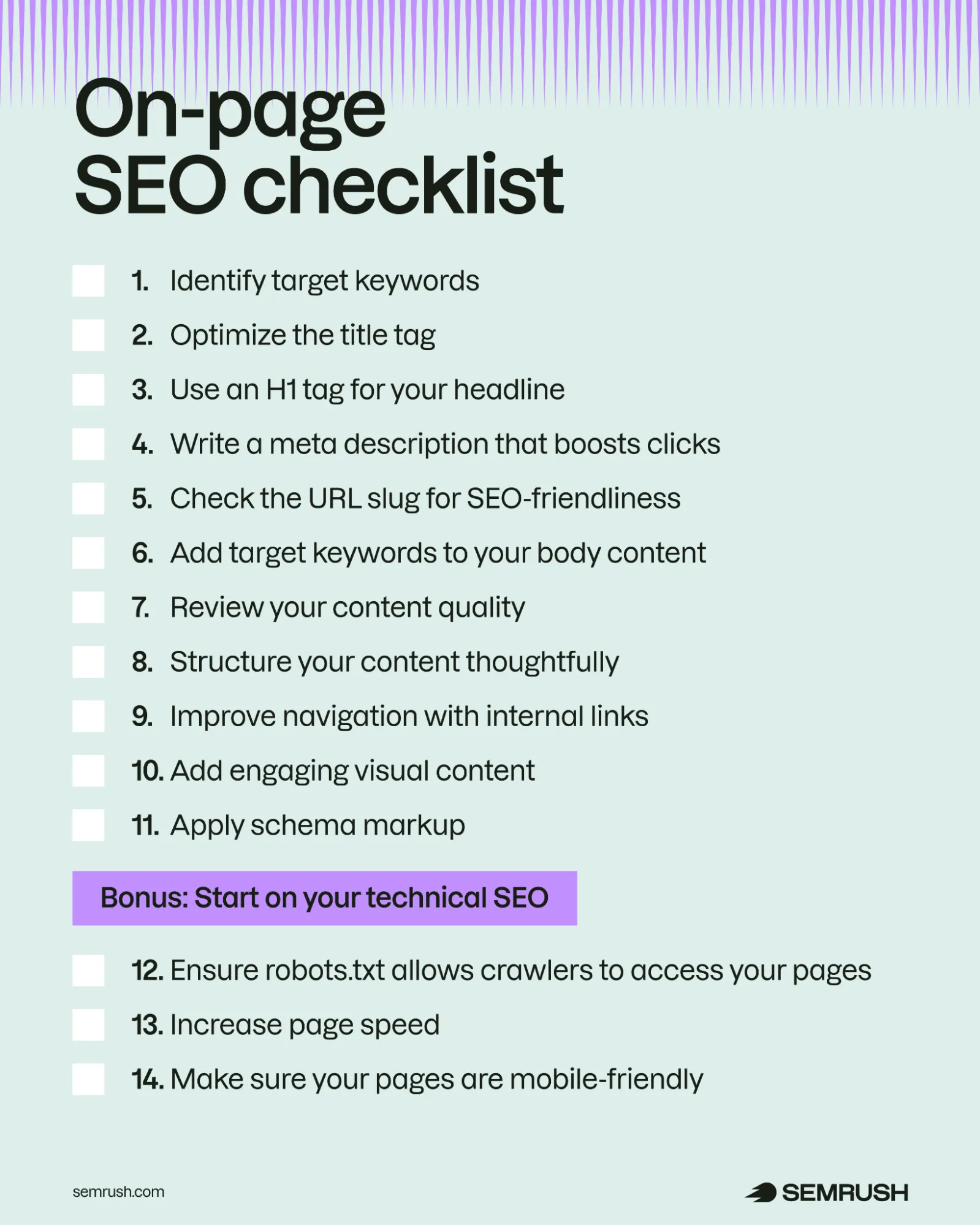
Search engine optimization matters here too. Make sure each page targets a specific topic, uses relevant keywords naturally, and has descriptive meta titles and descriptions. You do not need to be a technical expert — basic on-page SEO goes a long way for local and niche businesses.
Content marketing: the long game that pays off
Content marketing is one of the most cost-effective strategies available to small businesses. Instead of paying for attention through advertising, you earn it by creating genuinely useful content that your audience wants to read, watch, or listen to.
Blog articles, how-to guides, videos, podcasts, infographics — the format matters less than the quality and consistency.
The key principle is to answer the questions your customers are already asking. If you run a plumbing company, write articles like "why does my water pressure drop in the morning" or "how to know if your boiler needs replacing." If you are a financial advisor, write about "how to start investing with a small income" or "what to do with a pension from a previous employer."
This kind of content attracts people who are actively searching for help. It positions you as a knowledgeable, trustworthy expert. And unlike paid advertising, it continues to drive traffic long after you publish it.
Email marketing remains underrated
For all the hype around social media, email remains one of the highest-returning marketing channels available. People who give you their email address have actively opted in. They want to hear from you. That is a fundamentally different relationship than a follower who might scroll past your post.
Building an email list takes time, but the compounding value is significant. Start with a simple lead magnet — a free guide, checklist, or short course relevant to your audience — and offer it in exchange for an email address.
Once you have a list, send regular, valuable emails. Not constant promotions, but genuinely useful content mixed with offers. People who hear from you regularly are far more likely to buy when they are ready.
Social media: be strategic, not everywhere
One of the biggest mistakes small business owners make is trying to be active on every social media platform at once. The result is a scattered, inconsistent presence that exhausts the business owner and fails to build any real audience anywhere.
A better approach: identify one or two platforms where your target audience actually spends time, and focus your energy there. For B2B businesses, LinkedIn is often the right choice. For visually-driven consumer businesses, Instagram or Pinterest may work better. For local service businesses, even a well-maintained Facebook page can be valuable.
Post consistently, engage with comments and messages, and focus on content that is genuinely interesting or useful rather than purely promotional. The rule of thumb most marketers use is roughly 80% value, 20% promotion.
Paid advertising: when and how to use it
Organic strategies take time. Paid advertising gives you speed and precision. The two work best together — organic for long-term brand building, paid for accelerating results or testing new offers.
Google Ads works well when there is clear search intent behind your product or service. If someone is searching "emergency electrician near me," they are ready to buy. Showing up at the top of those results has clear, measurable value.
Social media ads work well for building awareness and reaching audiences who may not be actively searching yet but would be interested if they knew you existed. Facebook and Instagram ads in particular allow very precise audience targeting based on demographics, interests, and behavior.
Start with a modest budget, test different messages and audiences, and let the data guide your spending. Do not scale a campaign until you have evidence it is working.
Analytics: you cannot improve what you do not measure
Every strategy in this article can be measured. Website traffic, conversion rates, email open rates, ad performance, social engagement — all of it generates data you can use to make better decisions.
Google Analytics and Google Search Console are free tools that every small business should have set up from day one. They tell you where your traffic is coming from, which pages are performing well, and where visitors are dropping off.
Review your data regularly — at least monthly. Look for what is working and do more of it. Look for what is not working and either fix it or stop.
When to bring in outside help
There comes a point for most growing businesses where doing everything in-house no longer makes sense. Your time has value, and digital marketing is a broad, fast-moving field that requires genuine expertise to do well.
Whether you need help with SEO, content strategy, paid advertising, or a full overhaul of your online presence, working with a professional digital marketing agency can accelerate your results significantly. The right partner does not just execute tactics — they bring strategic thinking, industry benchmarks, and tested frameworks that save you months of trial and error.
Final thoughts
Building a strong online presence as a small business is absolutely achievable — but it requires patience, consistency, and a clear strategy. Focus on understanding your audience, build a website that converts, create content that earns trust, and measure everything you do.
Start with what you can manage, do it well, and expand from there. The businesses that win online are not always the ones with the biggest budgets. They are the ones that show up consistently, speak directly to their audience, and never stop improving.



























Sign in to leave a comment.