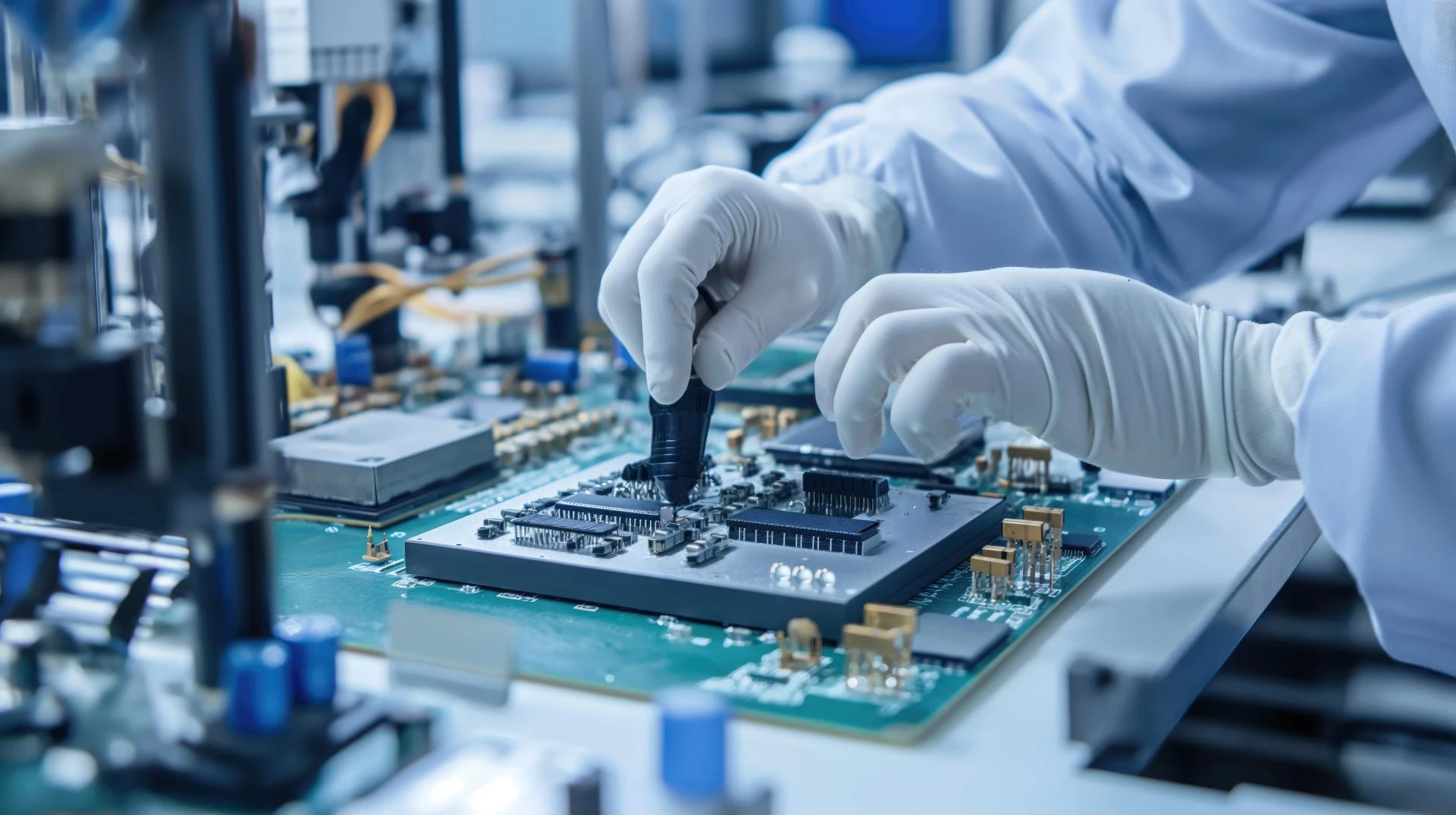

Electronic Manufacturing Services (EMS) assembly is a big part of making electronics today. This process could be the difference between a successful product launch and costly delays, no matter what kind of product you're making, whether it's consumer electronics, medical devices, or industrial equipment. You may be able to make better decisions for your next project by learning the basics of EMS assembly. This will help you understand the complexities of electronic manufacturing.
Understanding the Basics of EMS Assembly
It is the whole process of making electronic goods for original equipment manufacturers (OEMs). Our full-service company does everything from finding parts and putting together printed circuit boards (PCBs) to testing and packaging the final product.
The first step in the process is the Design for Manufacturability (DFM) study, in which EMS providers look at your product specifications to find any problems with how it can be made. This early partnership cuts down on time to market, improves quality, and lowers costs.
A Detailed Look at the EMS Assembly Procedure
Buying and Taking Care of Parts
The first step is to find all the parts you need, like resistors, capacitors, integrated circuits, and mechanical parts. EMS companies get parts at low prices by using their networks of suppliers, which keeps the quality and authenticity high.
In this case, it's very important to keep track of your inventory. To avoid shortages that could slow down production, EMS partners with a lot of experience keep stocks of important parts and use advanced forecasting.
Tools for Surface Mount and PCB Assembly
Surface Mount Technology (SMT) assembly is the basis for modern EMS operations. This automated process uses precise technology to put parts directly onto the surfaces of PCBs.
The SMT line has a number of important stations:
· Using a stencil to put solder paste on
· Putting parts together with high-speed pick-and-place machines
· Reflow soldering in ovens that keep the temperature steady
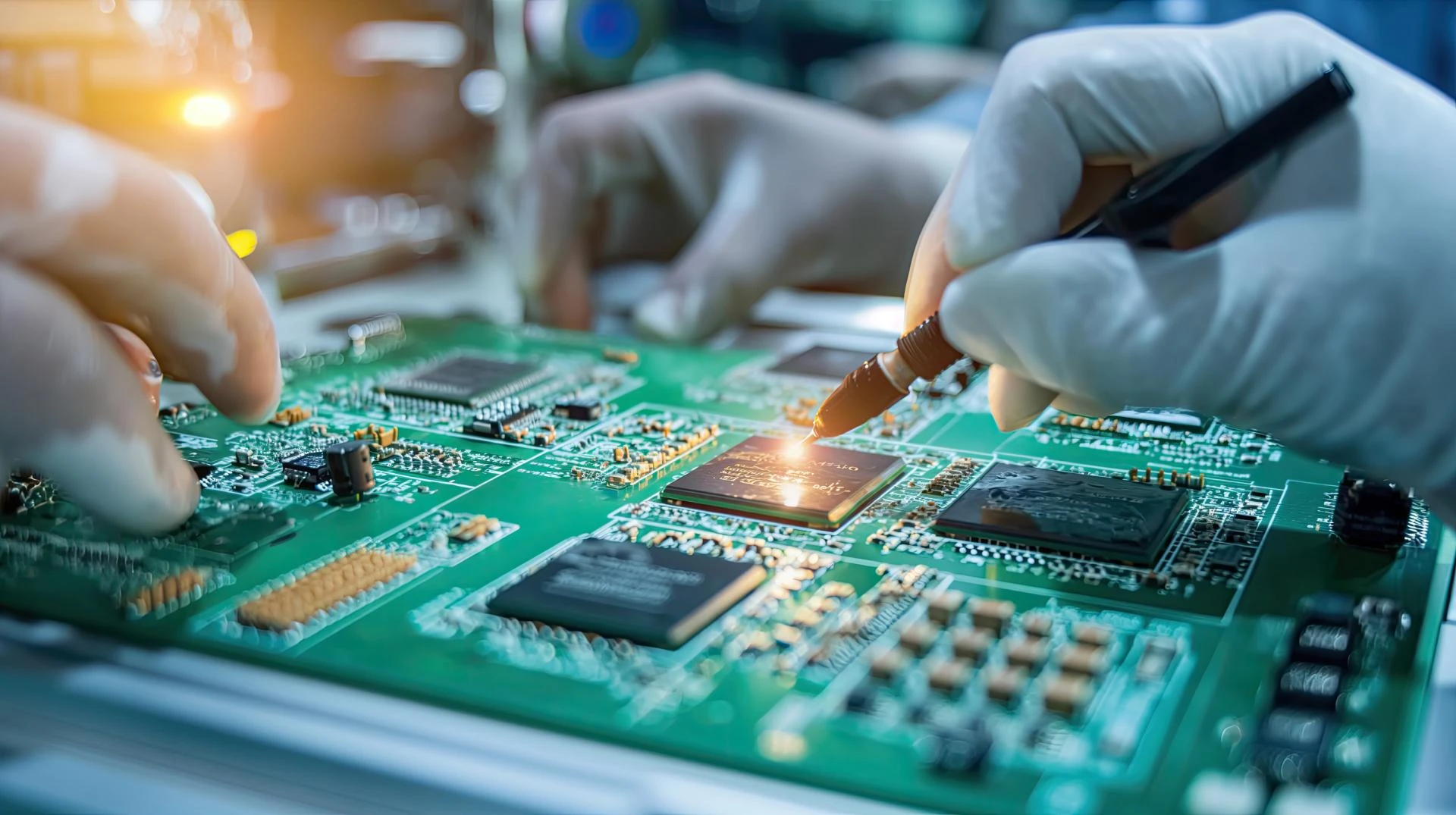
· Confirming quality with automated optical inspection (AOI)
Manual Processes and Assembly Through Holes
Components that need to be mounted through a hole can be put together by hand or selectively wave soldered. At this point, larger parts that can't be surface-mounted, like transformers, connections, and heat sinks, are usually taken care of.
Knowledgeable professionals do complex assembly tasks like wiring harnesses, putting together mechanical parts, and putting together the final product.
Quality assurance and testing
Before items are sent, they are thoroughly tested to make sure they meet the requirements. This includes:
· ICT (in-circuit testing) to check the values and locations of parts
· Confirming that the system works by doing functional testing
· Environmental stress testing to check durability
· Final checks of quality and packing
Choosing the Right EMS Partner
When picking an EMS service, you need to think about a lot of things. Your product's technical skills should match its needs. For example, if your product is in the automotive or medical device industry, you should have the right certifications.
It's important to think about scalability and manufacturing capacity. Your chosen partner should be able to handle both high-volume manufacturing runs and prototype numbers without lowering quality or delivery dates.
Geographic factors affect how well people communicate and how much it costs to move things around. Global suppliers can help high-volume manufacturing make more money, but local relationships often offer better chances for working together.
Improving Your Experience with EMS
For EMS cooperation to work, there must be clear communication and thorough documentation. Give detailed design files, component specs, and quality standards up front to avoid having to make costly changes later.
Before full-scale production begins, many design reviews and prototype iterations help find potential issues. If you all work together, you can lower the risks and make sure your final product meets market standards.
Think about how much support you'll need in the long term when picking an EMS partner. As your product grows, services like managing your inventory, processing engineering change orders (ECOs), and lowering supply chain risks become more useful.
Conclusion
It can help you make professional-grade electronics without having to spend money on building your own production facilities. If you know how the process works and pick the right partner, you can speed up product development while still meeting quality standards.
Write down what you need from your product and ask potential EMS suppliers to evaluate their capabilities. When possible, go to the places where things are made to see how they work and ask for references from similar projects.
If you work with an experienced EMS assembly company, you can focus on what you are good at making products and talking to customers while they handle the demands of the market. The electronics industry moves quickly.






















Sign in to leave a comment.