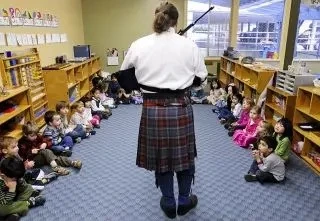

Unveiling the Path for Modern Learners Seeking Bagpipe Lessons
The haunting, soul-stirring wail of the bagpipes evokes images of misty highlands, ancient ceremonies, and solemn parades. Yet beyond the romance lies a deeply disciplined art form that demands precision, breath control, and an appreciation for centuries-old traditions. As interest in this iconic instrument resurfaces globally, bagpipe lessons have emerged as an essential starting point for enthusiasts committed to learning both the music and the heritage behind it.
The Cultural Weight of the Bagpipe
Few instruments carry as much cultural significance as the Great Highland Bagpipe. A staple in Scottish history, the bagpipe has transcended borders—finding a place in military ceremonies, folk festivals, and classical compositions. For many, enrolling in bagpipe lessons is not just about learning an instrument; it's about connecting with a lineage of resilience, pride, and expression.
These lessons go beyond teaching scales and finger positioning. They delve into ornamentation techniques like gracenotes, doublings, and birls—hallmarks that give pipe music its distinct, percussive flair. Students often begin their journey on a practice chanter, a simpler tool that allows for foundational skill-building without the added complexity of air control.
What to Expect from Structured Bagpipe Lessons
A structured approach to bagpipe lessons ensures learners don't just replicate sounds—they internalize technique. Key components typically include:
- Proper Posture and Air Support: Bagpiping requires sustained air pressure from a blowpipe to maintain tone. Lessons emphasize diaphragmatic breathing and controlled airflow into the bag.
- Tuning and Maintenance: Unlike other woodwinds, bagpipes feature drones that must be precisely tuned to produce harmonics. Learners are taught to fine-tune reed strength and moisture balance, skills critical for pitch stability.
- Sight-Reading and Repertoire: Traditional tunes like “Scotland the Brave” or “Highland Cathedral” are introduced early, but learners also gain exposure to modern adaptations and competition-style medleys.
- Ornamentation Mastery: From the quick flick of a throw on D to the complexity of a taorluath, bagpipe lessons are incomplete without immersion in embellishment techniques that define Celtic music.
Why Professional Instruction Matters
While video tutorials and self-teaching resources abound, nothing compares to the guidance of a seasoned instructor. Professional bagpipe lessons offer:
- Real-Time Feedback: Mistakes in fingering, rhythm, or posture can become deeply ingrained without correction. Instructors diagnose and adjust in real time.
- Progressive Curriculum: Each stage builds upon the last—students don’t jump from basic scale work to advanced piobaireachd (classical bagpipe music) without first mastering intermediary skills.
- Accountability and Discipline: Regular check-ins, performance goals, and structured practice plans keep learners on track and motivated.
Moreover, experienced tutors can help students prepare for competitive piping events, such as those sanctioned by organizations like the Royal Scottish Pipe Band Association (RSPBA) or the Eastern United States Pipe Band Association (EUSPBA).
Remote vs. In-Person Bagpipe Lessons
With the digital transformation of music education, students now face the choice between in-person instruction and virtual learning. Each format has its unique merits:
In-Person Instruction:
- Immediate, tactile feedback
- Group playing opportunities
- Live ensemble interaction with drones and harmonics
Online Learning:
- Geographic freedom
- Access to global masters
- Replayable sessions for revision
The best programs offer hybrid models—blending the convenience of digital platforms with periodic face-to-face instruction.
Essential Tools for New Pipers
Before diving into full-scale piping, students require certain gear to get started:
- Practice Chanter: The foundational tool for all beginners. It mimics the melody pipe and allows silent indoor practice.
- Instruction Booklets and Sheet Music: Books like “Logan’s Tutor” or the “College of Piping Tutor Vol. 1” remain industry standards.
- Metronome and Tuner: Rhythm and pitch control are non-negotiable in bagpiping. These tools refine timing and drone tuning.
- Digital Recorder: Essential for playback analysis—students can track progress and self-correct outside lesson time.
Commitment, Practice, and Passion
Mastering the bagpipes is not for the faint of heart. The instrument resists mediocrity, demanding hours of repetition and an intimate understanding of rhythm, breath, and tradition. Students who embrace the rigor of bagpipe lessons often find themselves transformed—not just as musicians, but as carriers of an enduring cultural symbol.
Discipline, persistence, and mentorship are the triad that forms the backbone of successful learners. When approached with reverence and consistency, the once-daunting pipes become a channel for rich, emotive storytelling.
The Global Renaissance of Piping
In recent years, the bagpipe has found renewed relevance across genres—featured in rock, cinematic scores, and world fusion ensembles. This resurgence is mirrored by a surge in demand for high-quality bagpipe lessons, with schools and instructors now available across continents.
From pipe bands in Canada to solo competitions in New Zealand, the instrument’s universal language continues to captivate new generations. Whether you’re a complete novice or returning to piping after a hiatus, investing in quality instruction ensures your sound is not just loud—but purposeful, precise, and profoundly moving.
Final Thoughts
To learn the bagpipes is to embark on a journey where technique, tradition, and tenacity intertwine. Through disciplined bagpipe lessons, aspiring pipers can harness the power of this unique instrument and contribute to its living legacy. Whether driven by heritage or curiosity, the call of the pipes remains as compelling today as it was centuries ago.




























Sign in to leave a comment.